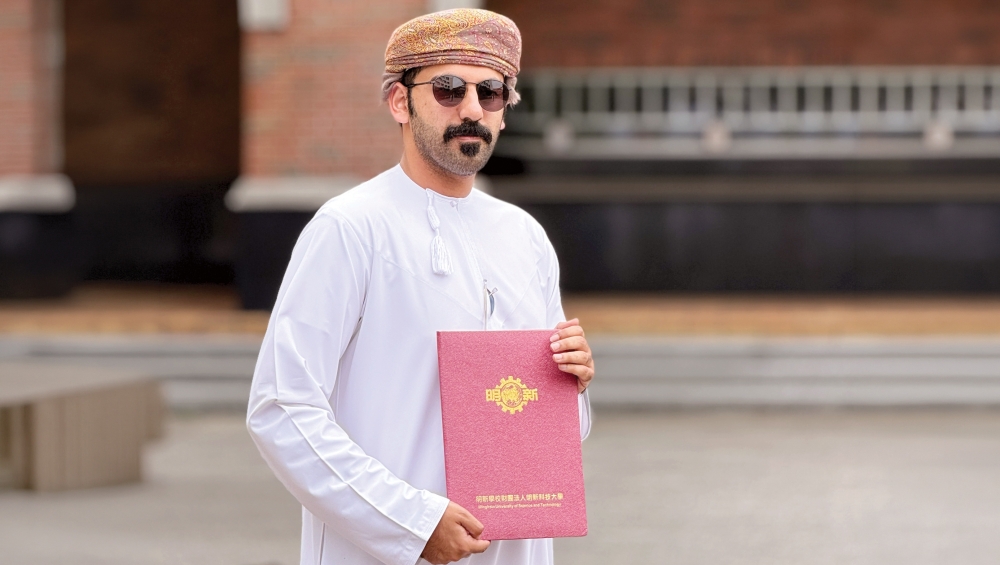





When Nibras al Farsi was selected for semiconductor training, the field was largely unfamiliar to him.
A communications and electronics engineering graduate from the University of Technology and Applied Sciences in Al Musanaah, he had a technical background but little direct exposure to the complex world of semiconductor design and manufacturing.
Months later, he was in Taiwan, observing at close range an industry that underpins artificial intelligence, telecommunications, vehicles, medical equipment and much of the modern digital economy.
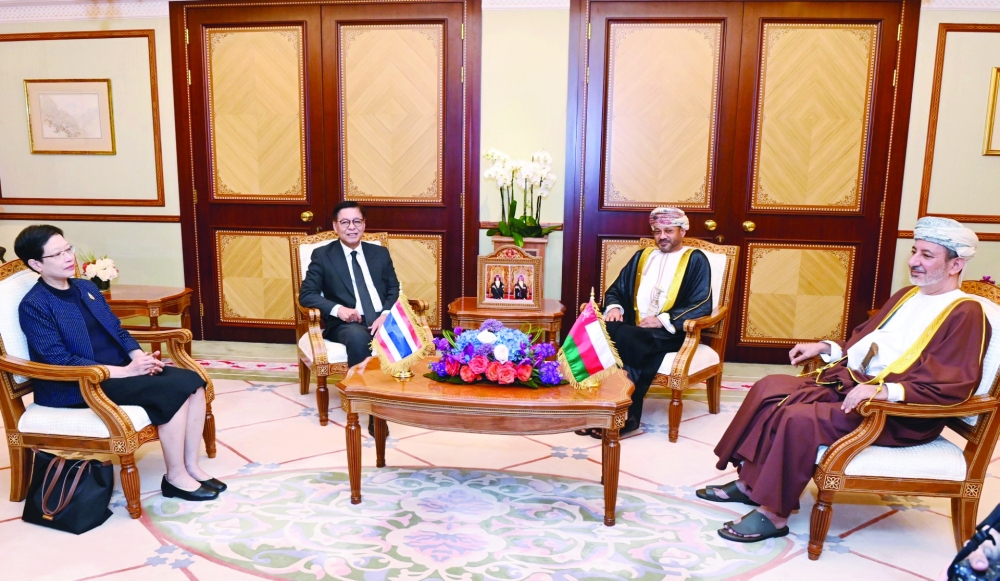
For Al Farsi and the other Omanis who took part, the programme offered more than technical training. It provided early exposure to a sector Oman is seeking to understand as it develops capabilities in advanced technologies.
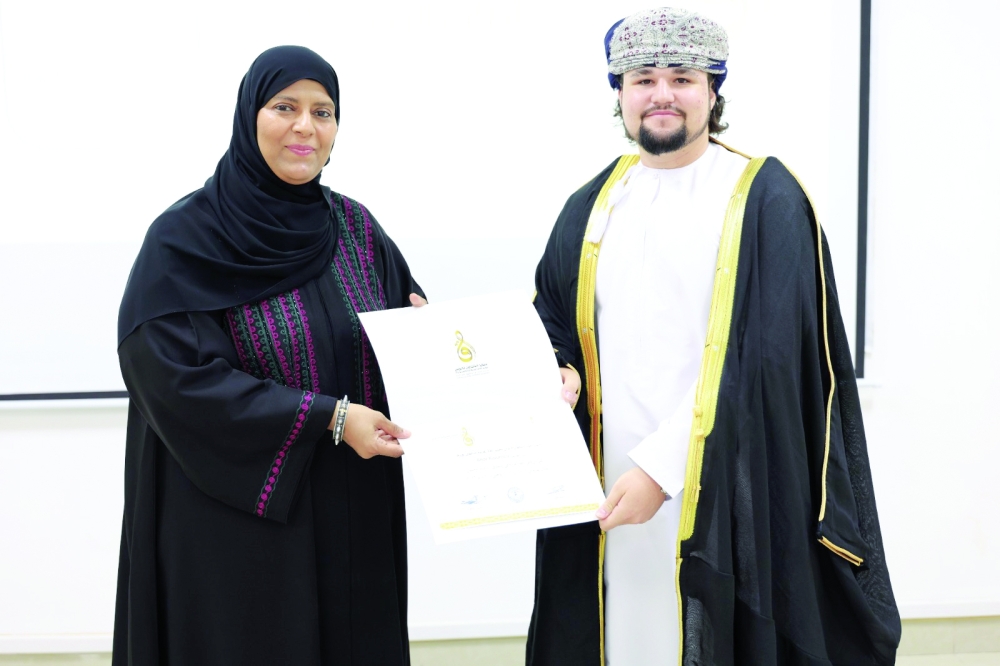
The trainees were nominated through their universities under a programme supported by the Ministry of Transport, Communications and Information Technology.
Training began in Muscat, where participants studied semiconductor fundamentals, electronics, chip fabrication processes and the wider economic importance of the industry.
For Al Farsi, one lesson quickly became clear: semiconductor production depends on extraordinary levels of precision.
He said the training helped him understand the number of stages involved in producing a single chip and how small errors during the process can affect the final product.
The second phase took the group to Taiwan, one of the world’s most important semiconductor centres.
“What surprised me most was the level of advancement in the industry there, especially the precision and organisation across every stage of the work,” Al Farsi said.
He said the experience also highlighted the working culture surrounding advanced manufacturing, particularly punctuality, attention to detail, consistency and teamwork.
The move to Taiwan brought challenges beyond the classroom.
Language, culture and being away from family made the first days difficult, he said, but adapting to the new environment became one of the most valuable parts of the experience.
“At first I was hesitant in dealing with everyday situations, but over time I began to adapt and communicate better with others,” he said.
“That situation taught me that stepping outside your comfort zone helps you build confidence and self-reliance.”
The experience has also shaped his view of where Oman could position itself in the semiconductor sector.
Rather than expecting a rapid move into large-scale chip fabrication, Al Farsi sees a gradual path beginning with skills development, technical expertise and partnerships with established international companies.
He believes opportunities for Omani graduates could emerge in areas including chip design, testing, quality assurance, research and other specialised parts of the semiconductor value chain.
Such an approach would reflect the high barriers to entry in semiconductor manufacturing, where advanced fabrication requires substantial capital, sophisticated infrastructure, specialised supply chains and highly skilled personnel.
For Oman, building human capability may therefore be the most immediate step.
Al Farsi believes the country already has some of the foundations required, including young engineering talent, growing interest in advanced technology and infrastructure that could support future investment.
His own ambitions have become more focused since returning.
He now hopes to specialise in semiconductor design, an area he believes fits his engineering background and could offer a practical route into the industry.
Over the next five years, he aims to build practical experience, contribute to specialised projects and eventually help transfer knowledge to other Omanis entering the sector.
“I hope people understand that this was not just a training programme or a trip to Taiwan,” he said.
“It was a complete experience that changed the way I think and how I see the future.”
For Oman, that may be the broader significance of programmes of this kind.
Before factories, investment commitments or production targets, participation in the semiconductor economy begins with people who understand how the industry works — and where Oman could realistically fit within it.
Oman Observer is now on the WhatsApp channel. Click here