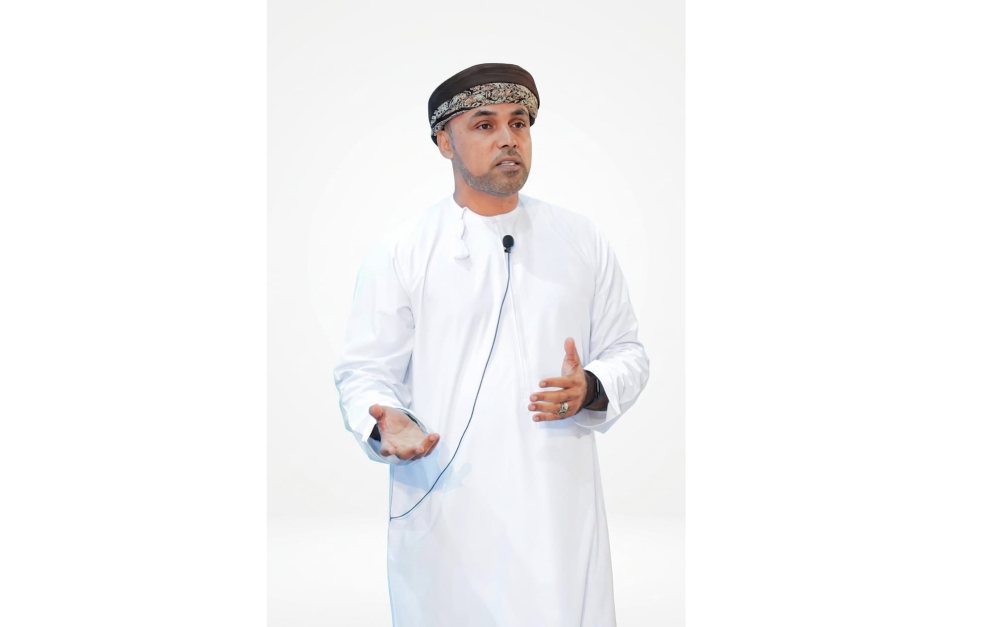





MUSCAT: A specialised study conducted by Dr Mohammed al Farraji, Vice-Chairman of the Professional Well-being Society, revealed several indicators related to the reality of well-being, highlighting key strengths and challenges facing employees in workplace environments.
The study covered 133 employees, including 71 females and 62 males, and showed that the overall job satisfaction index reached 73 per cent — a moderate level that reflects positive aspects to build upon, while also exposing gaps that require institutional intervention to enhance employee satisfaction and professional stability.
Results indicated that females aged 25-34 are the most vulnerable to work-related stress, recording the lowest satisfaction rate of 3.16 out of 5. Dr Al Farraji attributed this to several potential factors, including multiple social and family responsibilities, difficulty achieving work-life balance, and the nature of certain jobs and night shifts in some sectors.
The psychological support and counselling dimension ranked lowest among quality of work life elements, scoring 2.73 out of 5, underscoring the need for institutional policies that provide effective psychological support and professional guidance, enabling employees to cope with stress and workplace pressures.
Conversely, employees with more than 12 years of experience demonstrated higher levels of work-life quality compared to other groups, indicating the importance of professional experience in strengthening adaptability, stability, and resilience in workplace challenges.
Oman Observer is now on the WhatsApp channel. Click here