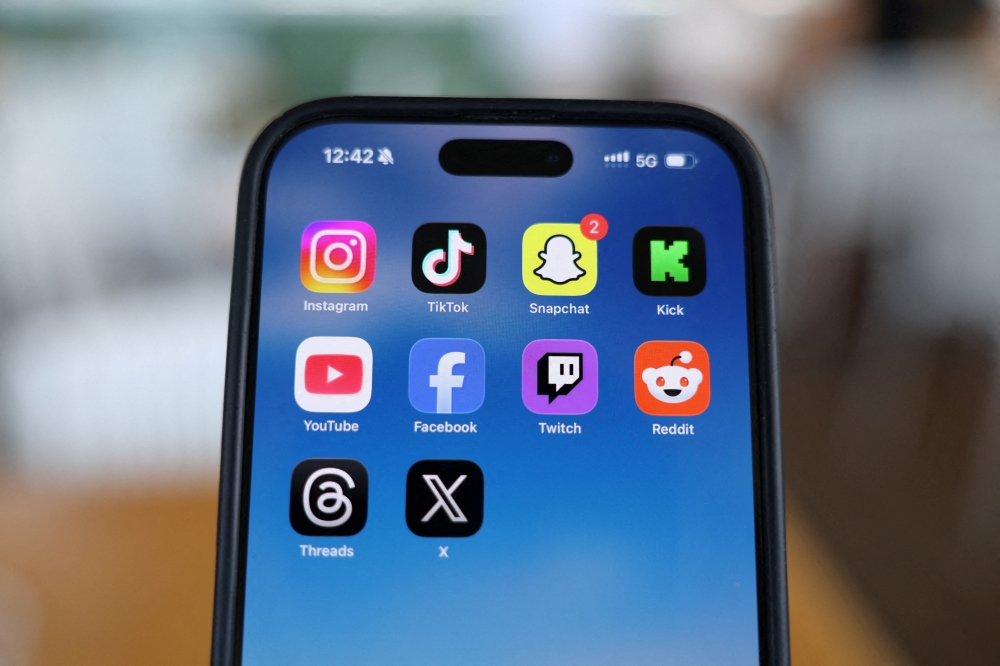
For years, parents, educators and policymakers have debated what social media is doing to teenagers. The concerns are familiar: how much time young people spend scrolling, what content algorithms place in front of them, who can contact them and whether platforms are designed to keep them online for as long as possible.
The historic settlement between Meta and a bipartisan coalition of US attorneys general suggests those concerns are finally translating into concrete action. Meta has agreed to pay up to $18 billion and introduce extensive protections for teenagers using Instagram and Facebook, resolving litigation that accused the company of designing features that encouraged compulsive use among young people; however, Meta has denied wrongdoing.
The changes are significant. Teenagers will face a default combined two-hour daily limit across Facebook and Instagram, with parental permission required to disable it. Access will be blocked between midnight and 6 am, while most notifications will be silenced during school hours from 8 am to 3 pm. Teens will also receive prompts after periods of continuous scrolling, have the option of a non-personalised feed and be able to turn off autoplay. Like counts will be hidden by default, and Meta has also agreed to strengthen age-assurance systems, parental controls and protections against unwanted contact.
For teenagers, attention is particularly valuable. Every hour spent endlessly scrolling is an hour that cannot be spent studying, reading, playing a sport, developing a hobby, sleeping or simply spending time with friends and family away from a screen. Psychologist Jean Twenge has argued that teenagers should not be using social media in the middle of the night, during school, or for so long that it displaces exercise, sleep and face-to-face interaction.
Recent research suggests the problem is more complicated than simply declaring social media “bad”. Pew Research Center found that teenagers use platforms such as TikTok, Instagram and Snapchat for entertainment, maintaining friendships, connecting with people who share their interests and even accessing news. Most teenagers surveyed said they believed they spent about the right amount of time on each platform. Yet around three in ten teenage TikTok users said they spent too much time there, while roughly four in ten said TikTok negatively affected their sleep.
It is important to keep in mind that distinction. The objective should not be to remove teenagers from the digital world, especially since social media is part of modern social life. The challenge is creating an environment in which teenagers control their use of technology rather than having technology constantly compete for their attention.
There are also concerns about the settlement. Stronger age assurance is essential if platforms are going to apply protections to minors, but verifying age can create its own privacy risks. Critics warn that systems involving identification documents, facial analysis or other personal information could require users to surrender sensitive data simply to access an app. Experts have also questioned whether existing technology can reliably distinguish children from adults.
US Senator Richard Blumenthal has welcomed the agreement as progress while arguing that broader legislation is still necessary because the rules do not automatically cover competitors such as TikTok and YouTube and may struggle to keep pace with rapidly changing technology.
Part of Meta’s financial agreement is explicitly structured to encourage TikTok and YouTube to adopt comparable protections. If competitors follow, stronger limits could become an industry standard rather than a Meta-specific experiment.
For too long, the responsibility for managing teenagers’ social media use has fallen almost entirely on parents and young people themselves, while some of the world’s most powerful technology companies have profited from keeping users engaged. The Meta settlement begins to shift some of that responsibility back where it belongs: onto the companies designing these platforms. If it forces the rest of the industry to rethink how it competes for teenage attention, its impact could extend far beyond Facebook and Instagram.
Oman Observer is now on the WhatsApp channel. Click here