A few months ago, I came across a news post stating that members of the French parliament voted in favour of a landmark bill that would ban children under 15 from using social media platforms. This is a ‘major step’ to protect young people from inappropriate social media content.
Around the world, children are exposed to a digital landscape that none of us experienced in our childhood.
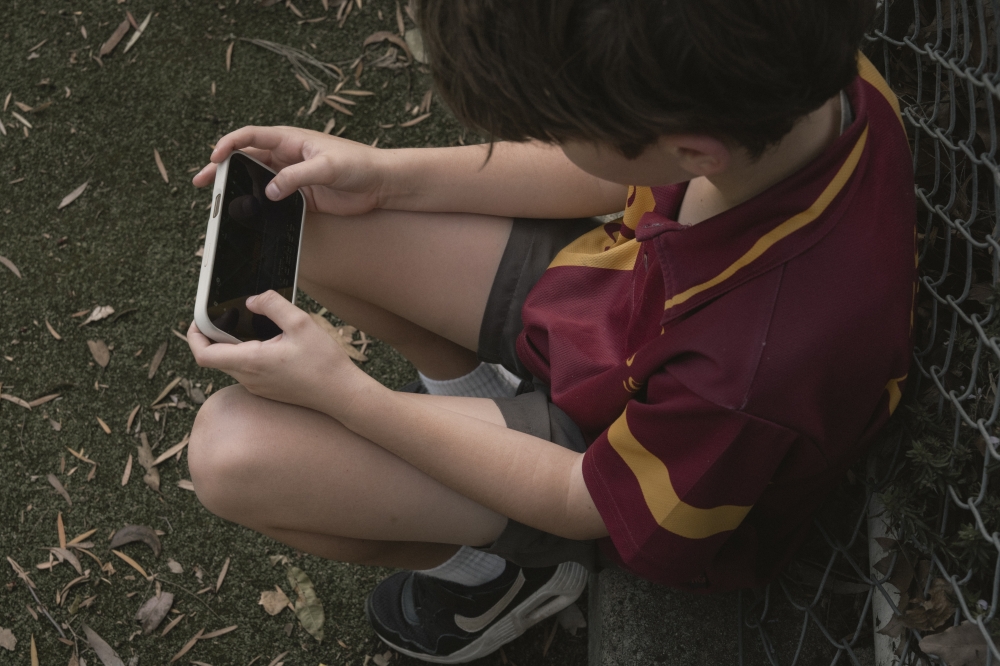
What began as a tool for connection has evolved into a system designed to capture attention, influence emotions and shape identity. Even adults struggle to navigate it safely. What, then, does it mean for a 12-year-old whose brain and personality are still developing?
A number of published research studies have warned of the psychological risks facing young users. Such research showed that high social media use can lead to anxiety, decreased self-esteem, cyberbullying, addictive behaviours and sleep disturbances.
Teachers frequently mention that some students have shorter attention spans, reduced patience and increased irritability among students heavily exposed to screens. Parents also expressed similar worries at home, noticing how their children withdraw from family conversations or become distressed when separated from their phones.
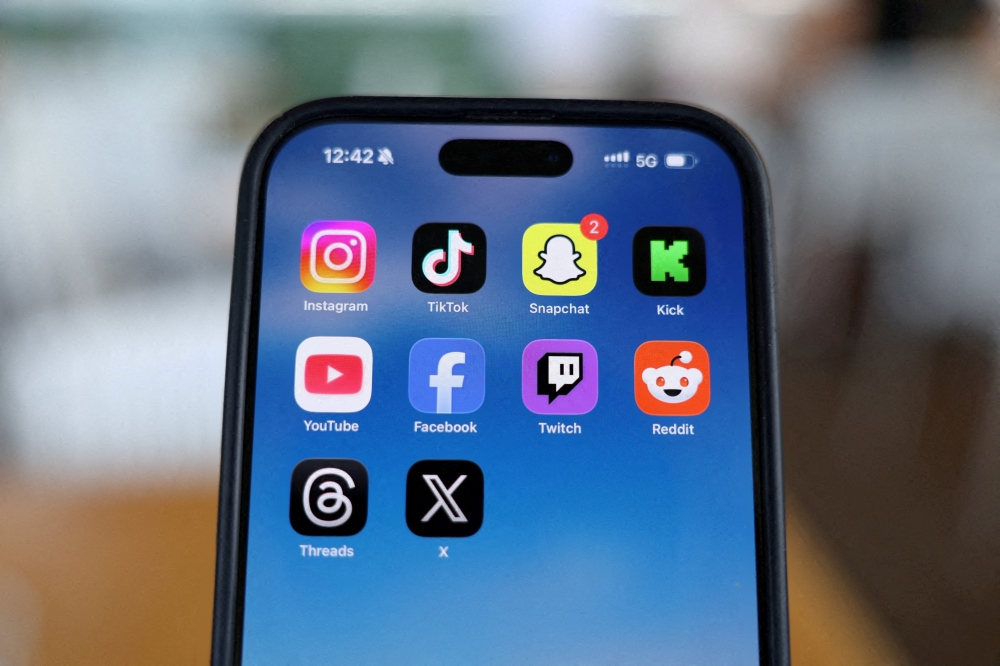
France’s proposed ban is not simply about blocking TikTok or Instagram; it is an attempt to buy time and delay children’s exposure to a world they are not yet equipped to navigate. Under the French proposal, platforms must verify users’ ages and deny accounts to children under 15 unless parents provide explicit approval.
But such laws also raise questions. How will age verification work in practice? Would children discover ways around it? And could a ban push risky behaviours underground rather than eliminating them? These debates are healthy and necessary for any society to think about its own approach.
In Oman, we often discuss the impact of social media on values, attention, family relationships and youth mental health. Many parents find themselves overwhelmed by the speed at which technology shapes their children’s behaviour.
Some struggle to set boundaries, while others feel guilty enforcing rules because ‘everyone else is online.’ Schools, meanwhile, face a daily battle to keep classrooms focused and to protect students from cyberbullying and inappropriate content.
Perhaps France’s bold move offers us an opportunity, not necessarily to copy their law immediately, but to ask difficult questions about what childhood should look like in the digital age.
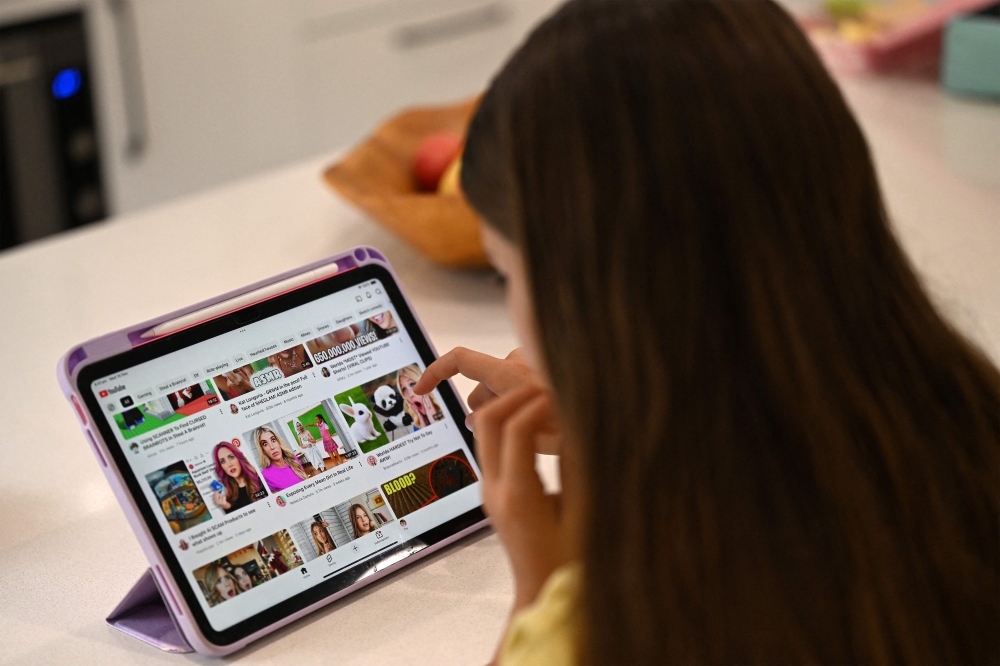
Do young children truly need to spend hours scrolling through curated images of influencers?
Do they need access to platforms that encourage comparison, instant gratification and sometimes harmful trends? And are we comfortable allowing algorithms, not parents, teachers, or communities, to shape their worldview?
It may be time for a national dialogue among educators, mental-health professionals, parents and policymakers working together to create a healthier digital environment. This could include age-appropriate restrictions, digital literacy programmes in schools and stronger parental controls. More importantly, it requires modelling balanced behaviour at home, family time without devices, outdoor activities, reading and meaningful conversations that reconnect children to the real world.
In my opinion, protecting the mental well-being of our children is a responsibility we all share, and it is time to take the right measures to do that.
Oman Observer is now on the WhatsApp channel. Click here