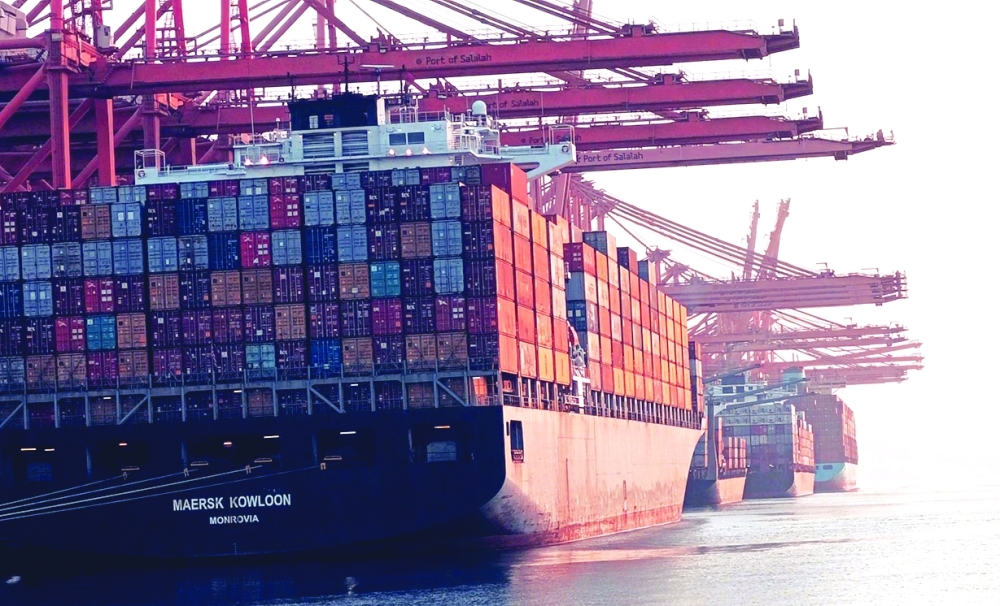
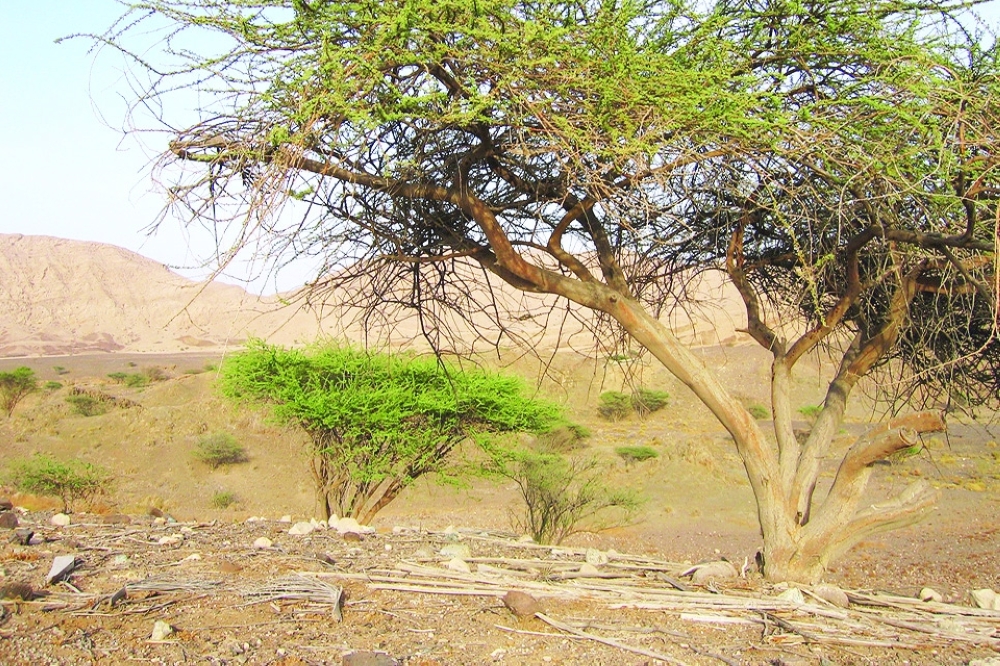
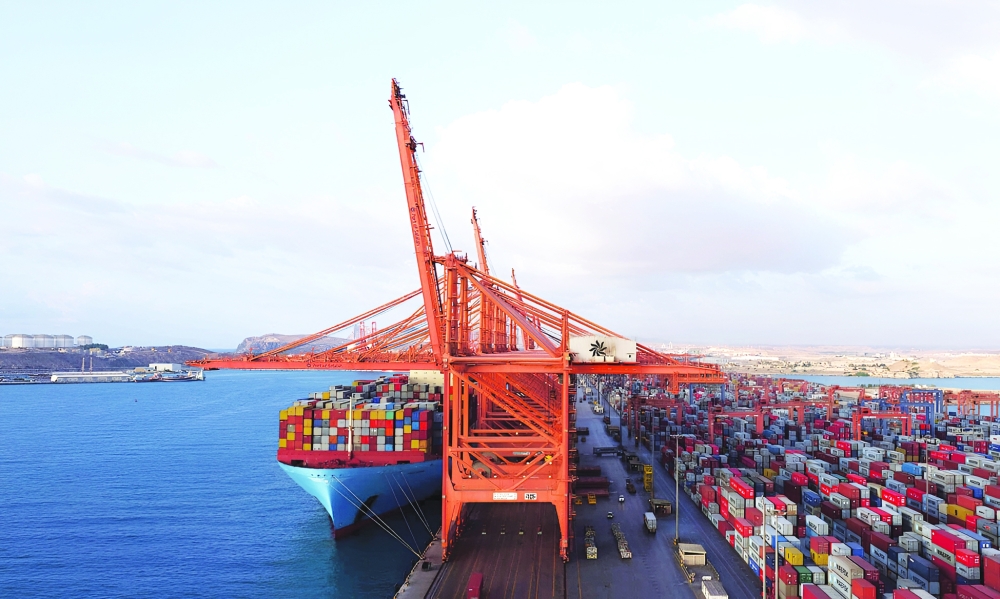
From the era of dhow fleets and ancient spice routes to today’s deep-water ports, Oman’s strategic location at the crossroads of the Arabian Sea and the Indian Ocean has long made it a vibrant trade hub linking Africa, Asia, and the Middle East. That outward looking spirit now underpins Vision 2040—the Sultanate’s plan to reduce dependence on oil and gas and build a diversified, sustainable, technology driven economy.
Vision 2040 is Oman’s blueprint to tackle challenges, adapt to regional and global change, seize new opportunities, and strengthen economic competitiveness and social well being. It aims to cut hydrocarbons’ share of GDP from about 30% today—two thirds of fiscal revenue and over 60% of exports—to 16% by 2030 and 8.4% by 2040, while accelerating growth in manufacturing, logistics, renewable energy, fisheries, mining, and services.
Strengthening the private sector is central to Vision 2040. Oman will need to create over 100,000 additional jobs for nationals by 2040, which the public sector alone cannot meet. In 2024, just over half (54%) of employed Omanis worked in the private sector, up from roughly a third a few years earlier following labor market reforms, yet still below international benchmarks. To sustain diversification as hydrocarbon revenues decline, private sector investment—currently just over half of GDP—will need to rise toward the 70% target set for 2040. Broadening opportunities across non oil industries will be essential for creating quality jobs and building a resilient, competitive economy.
The good news: According to the World Bank, Oman’s economy grew by 2.6% in 2025, driven largely by non oil activity, while inflation averaged 0.9%—among the lowest in the GCC. Regulatory reforms and streamlined processes are attracting new investment, with the UK becoming Oman’s largest foreign investor in 2025 ($42 billion), followed by the US and UAE. Continued digital transformation—from AI adoption to advanced e government services —will further boost competitiveness, while education reforms are helping to align skills with the needs of emerging sectors.
Partners in Progress
The World Bank Group (WBG) is helping to advance the country’s vision. Its partnership with Oman spans decades, evolving from technical cooperation to a broad engagement combining policy advisory work with private sector investment.
In 2025, a new WBG Country Office in Muscat brought together the International Bank for Reconstruction and Development and International Development Association (IBRD)—which supports public sector projects—with the International Finance Corporation (IFC), focused on private sector growth, and the Multilateral Investment Guarantee Agency (MIGA), the home of the World Bank Group Guarantee Platform. This integrated presence allows rapid support for development priorities and greater coordination in mobilizing finance, de risking investments, and sharing expertise.
In April 2025, during the first World Bank Group Day with the Ministry of Finance, IFC announced agreements to mobilize sustainable finance, expand non oil sectors, and support a major greenfield manufacturing investment.
In 2019, MIGA issued $1.7 billion in 15-year guarantees for seven infrastructure projects in the Special Economic Zone of Duqm—expanding Oman’s logistics sector and export capacity, while boosting growth and job creation in Al Wusta governorate.
A Landmark in Manufacturing: The Polysilicon Plant
Oman’s new polysilicon facility—the region’s largest—is a flagship example of Vision 2040 in action. Supported by IFC, the $1.6 billion plant will produce 100,000 tons of polysilicon annually—enough for 40 GW of solar modules to power up to 12 million homes each year—and is expected to avoid 8.8 million tons of greenhouse gas emissions annually. The facility began operations in January 2026 and is expected to ramp up to 100,000 tons based on market demand.
The facility will create nearly 3,000 direct and indirect jobs, alongside opportunities for smaller businesses and renewable energy integration. IFC led the financing, committing $250 million, including $200 million in long-term debt and $50 in equity, and mobilizing $713 million from development finance institutions, regional and international investors and local banks — the latter drawn in by IFC's participation in the investment. Oman Investment Authority’s Future Fund Oman—the largest shareholder—invested $260 million, underscoring sovereign confidence in the plant’s role in diversification and export growth.
The earlier MIGA guarantees for infrastructure in the Duqm economic zone remain part of the WBG’s ongoing support, helping to lay the groundwork for investments of this scale.
A Positive Outlook
Fiscal reform has strengthened Oman’s foundations: the Sultanate posted a surplus of 0.7% of GDP in 2025, reduced debt from nearly 69% in 2020 to 38.5% by 2025, and is projected to achieve a current account surplus of 3.4% in 2026. Central bank reserves reached $19.3 billion at the end of 2025, covering about four months of imports.
While near term challenges remain—from regional tensions to softer tourism inflows—projects like the polysilicon plant demonstrate Oman’s ability to attract global capital and integrate into future focused supply chains. The World Bank Group, through IFC and MIGA, is supporting this journey by mobilizing finance, attracting strategic investors, and expanding access to credit for smaller businesses.
Combined with Oman’s efforts to enhance skills, upgrade infrastructure, and foster innovation, these measures will help ensure diversification that is both inclusive and competitive—delivering jobs, shared prosperity, and a sustainable future for Oman’s people.
Oman Observer is now on the WhatsApp channel. Click here