




SALALAH, AUGUST 30
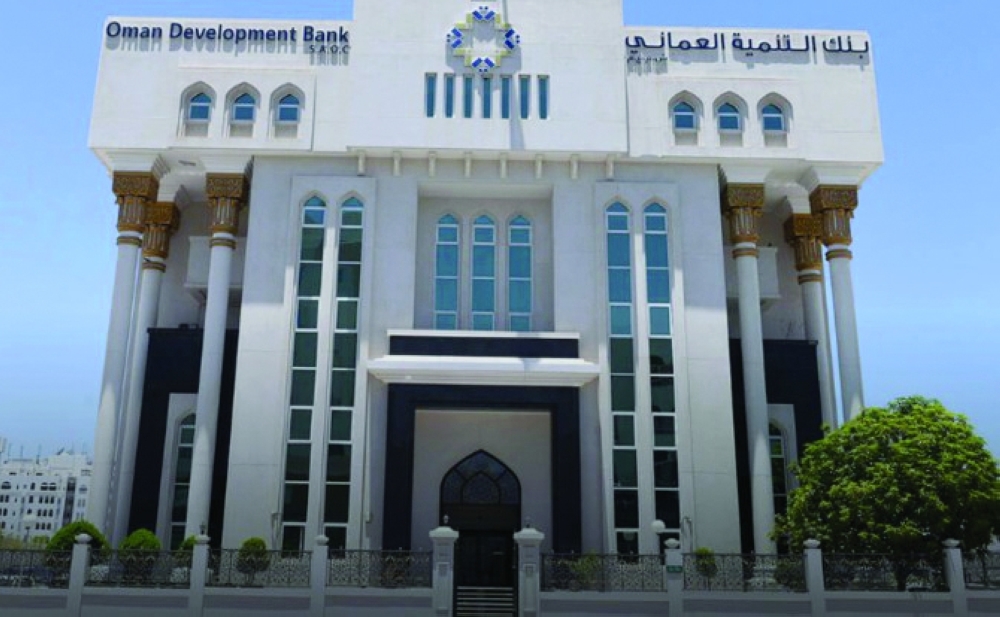
SALALAH: Entrepreneurs seeking financing should focus first on the readiness and viability of their projects rather than viewing banking procedures as the main obstacle, according to the Development Bank’s branch manager in Salalah.
The official said between 70 and 80 per cent of the documents requested as part of a financing application are requirements originating from other government entities and are necessary for a business to operate legally, including commercial registration, licences and approvals related to the activity.
“In my experience, I do not see the application process itself as a major challenge,” he said. “The main issue is how prepared the entrepreneur is before approaching the bank.”
He said business owners should assess their projects not only from the perspective of the entrepreneur but also from that of the financier, taking into account commercial viability, regulatory requirements and the project’s ability to meet its financial obligations.
The bank operates within banking regulations and government requirements that cannot be bypassed, he added, making early preparation and completion of the necessary documentation important for applicants.
The official also sought to clarify perceptions surrounding guarantees, saying they are used as a tool to manage financing risk but are not necessarily required in the same form for every project.
“It is not accurate to say that the Development Bank requires a guarantee in every case,” he said. “Guarantees are a risk-management tool, but the decision also depends on the strength of the project, its cash flows and its credit assessment.”
According to the official, the bank evaluates financing applications against several factors, including the nature of the business, its risk profile, internal credit assessment and its capacity to generate sufficient cash flow to meet repayment obligations.
He said he had seen projects financed without guarantees in the traditional sense, with each application assessed individually according to the project’s circumstances and level of risk. For established businesses, account activity and cash-flow history can provide the bank with a clearer picture of financial performance. Indicators may include revenues, deposits, withdrawals and the consistency of business activity.
Such assessments are generally more meaningful for businesses with an operating track record than for newly established ventures that have yet to build sufficient financial history. The bank may also consider factors such as the project’s market record, business model, brand strength and demonstrated performance, particularly in the case of established companies and franchise businesses. For some low-cost or interest-free financing programmes, the bank may nevertheless require a form of security such as a guarantor as part of its risk-management framework. The official said such arrangements do not necessarily involve direct deductions from the guarantor’s salary, but may instead constitute a documented commitment within the financing agreement.
The comments point to a broader issue facing small businesses seeking finance: access to funding is closely linked not only to documentation or collateral, but also to the quality of the business proposition, its financial discipline and its ability to demonstrate that the project can generate sustainable cash flow.
Oman Observer is now on the WhatsApp channel. Click here