




BANGKOK: More than 30 million people will be pushed back into poverty by the impacts of the Iran war including disruptions to fuel and fertiliser supplies just as farmers are planting crops, UN development chief Alexander De Croo said on Thursday.
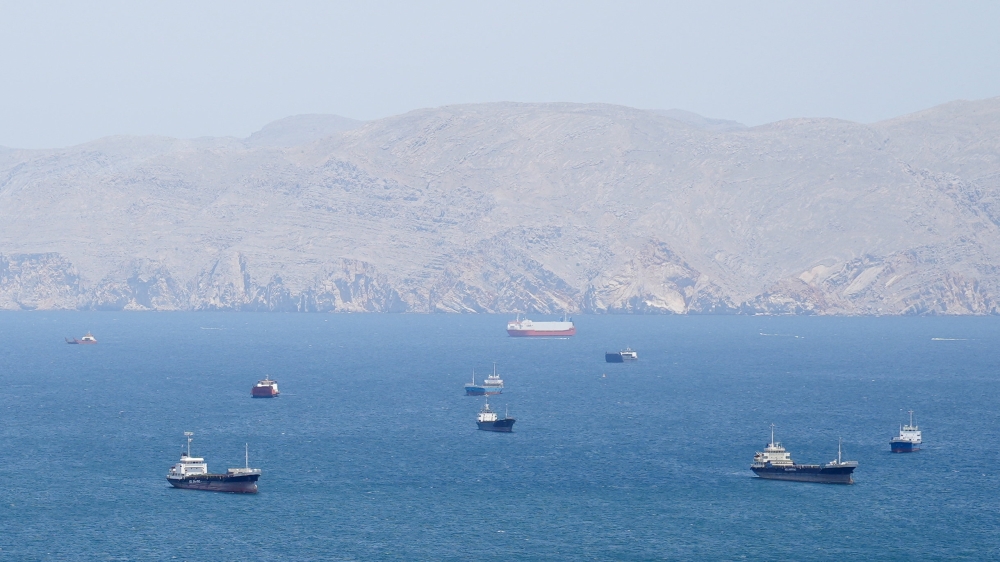
Fertiliser shortages - worsened by the blocking of cargo vessels through the Strait of Hormuz - have already lowered agricultural productivity, the Administrator of the United Nations Development Programme (UNDP) told Reuters.
That would likely hit crop yields later this year, the former Belgian prime minister added.
"Food insecurity will be at its peak level in a few months - and there is not much that you can do about it," he said, also listing other fallouts of the crisis including energy shortages and falling remittances.
"Even if the war would stop tomorrow, those effects, you already have them, and they will be pushing back more than 30 million people into poverty," he said.
Much of the world's fertiliser is produced in the Middle East, and one-third of global supplies passes through the Strait of Hormuz, where Iran and the United States are jostling for control.
Earlier this month, the World Bank, the International Monetary Fund and the UN World Food Programme warned that the war will drive up food prices, further burdening the world's most vulnerable populations.
De Croo said the knock-on effects of the crisis have already wiped out an estimated 0.5 per cent to 0.8 per cent of global GDP. "Things that take decades to build up, it takes eight weeks of war to destroy them," he said.
The crisis was also straining humanitarian efforts as funding shrinks and needs rise in places already facing severe emergencies, including Sudan, Gaza and Ukraine.
"We will have to say to certain people, really sorry, but we can't help you," he said.
"People who would be surviving on help will not have this and will be pushed into even greater vulnerability." — Reuters
Oman Observer is now on the WhatsApp channel. Click here