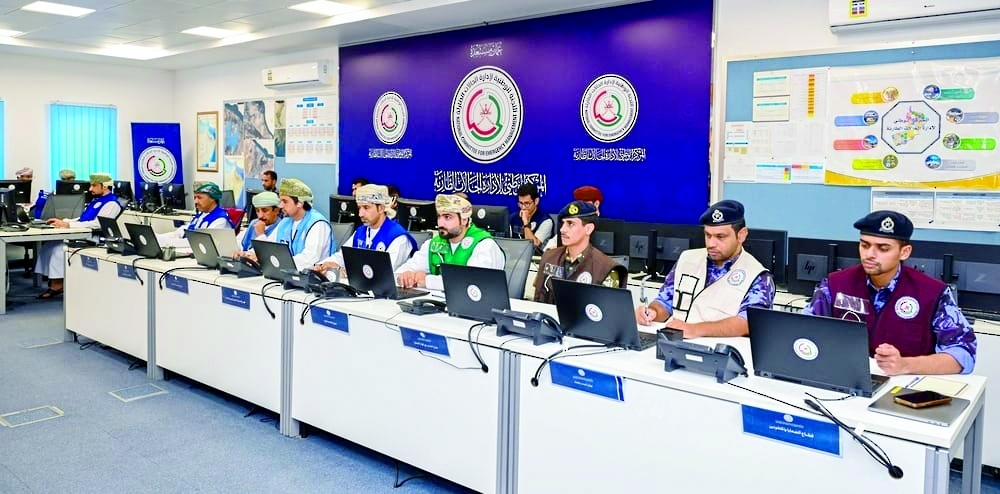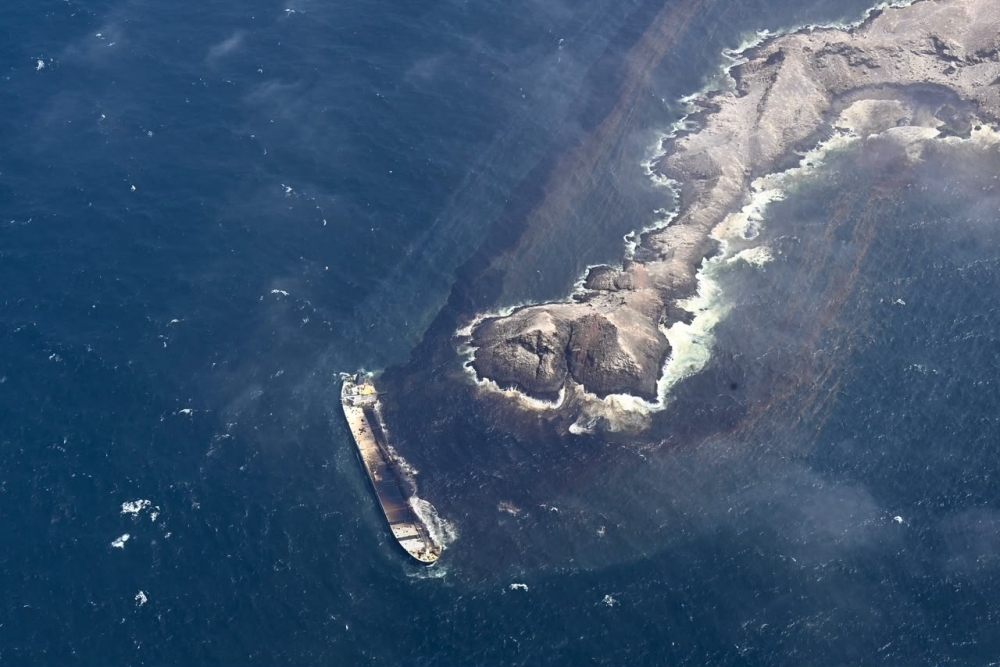





As various sectors of the National Committee for Emergency Management (NCEM) continue efforts to address the effects of oil pollution from the grounded vessel incident off the Hallaniyat Islands, citizens and residents have been urged to report oily patches on the sea surface, unusual petroleum or chemical odors, abnormal changes in watercolor or condition, the presence of foreign substances, and dead or abnormal marine life while fishing.
Fishermen have been advised to exercise caution, avoid fishing in affected areas, report pollution to the relevant authorities, and follow official instructions. They have also been instructed not to catch or collect marine life from suspected contaminated zones.
The Food Safety and Quality Center (FSQC) confirmed that fish samples tested so far meet approved safety requirements, while additional samples remain under laboratory analysis. FSQC has intensified precautionary measures, including monitoring fish landing sites, factories, and markets; overseeing landing operations and catch sources; and deploying technical teams to monitor coasts and landing sites along the Arabian Sea.
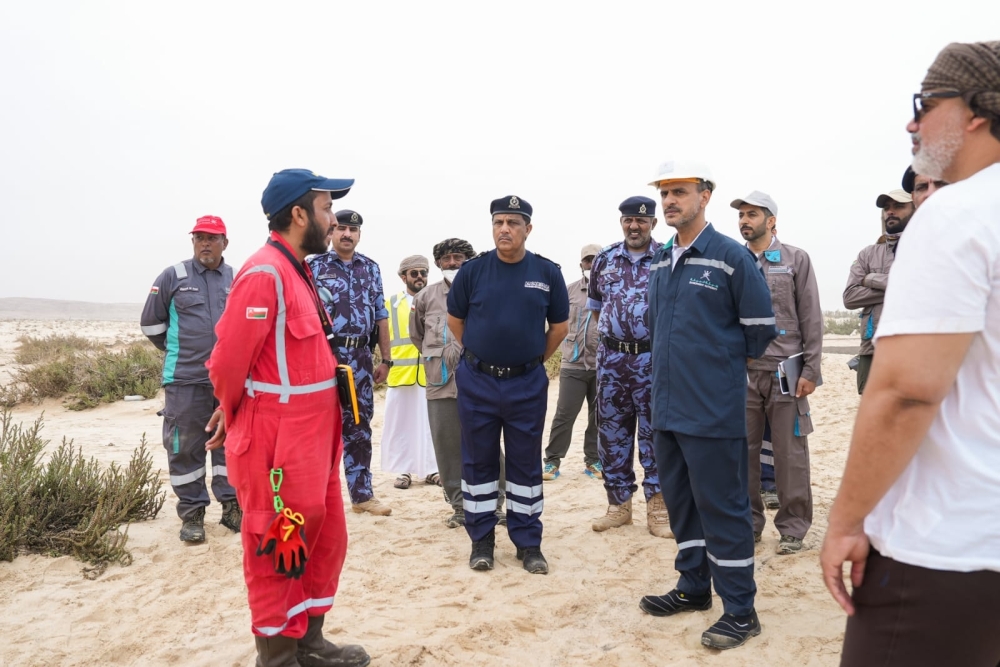
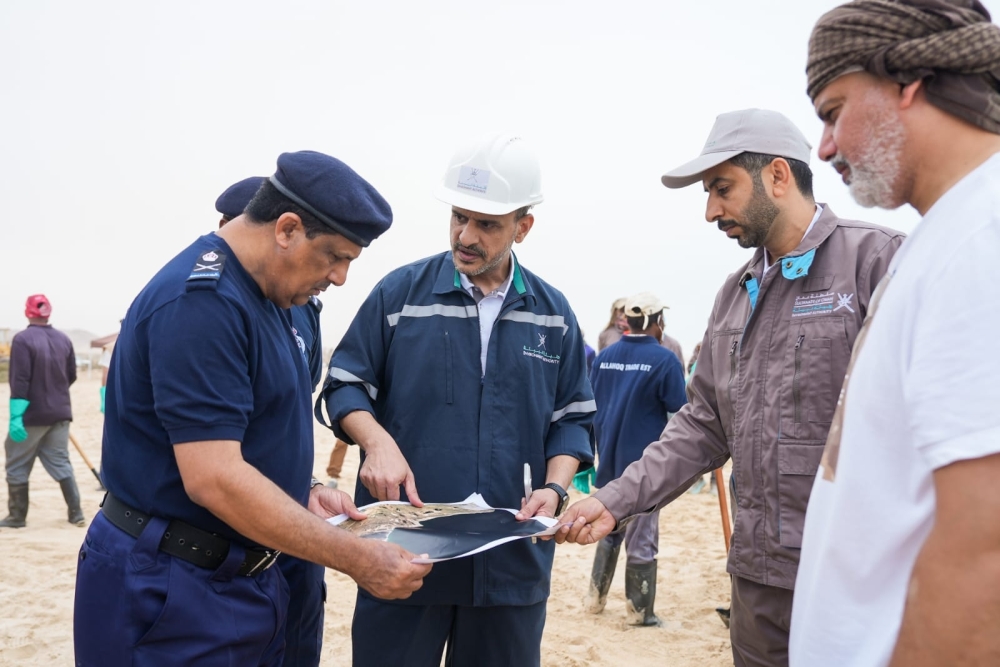
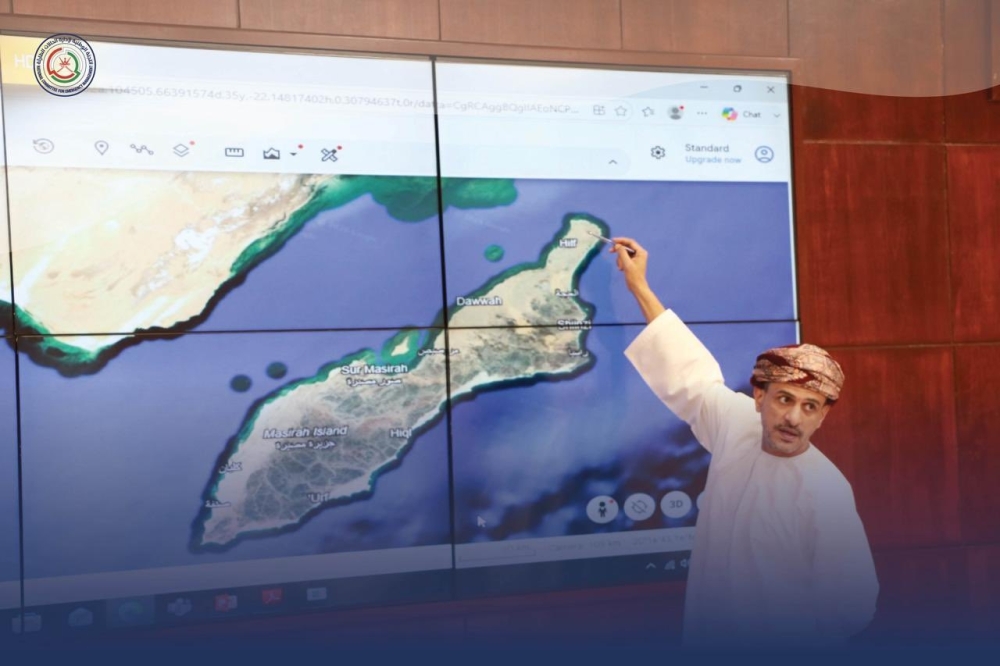
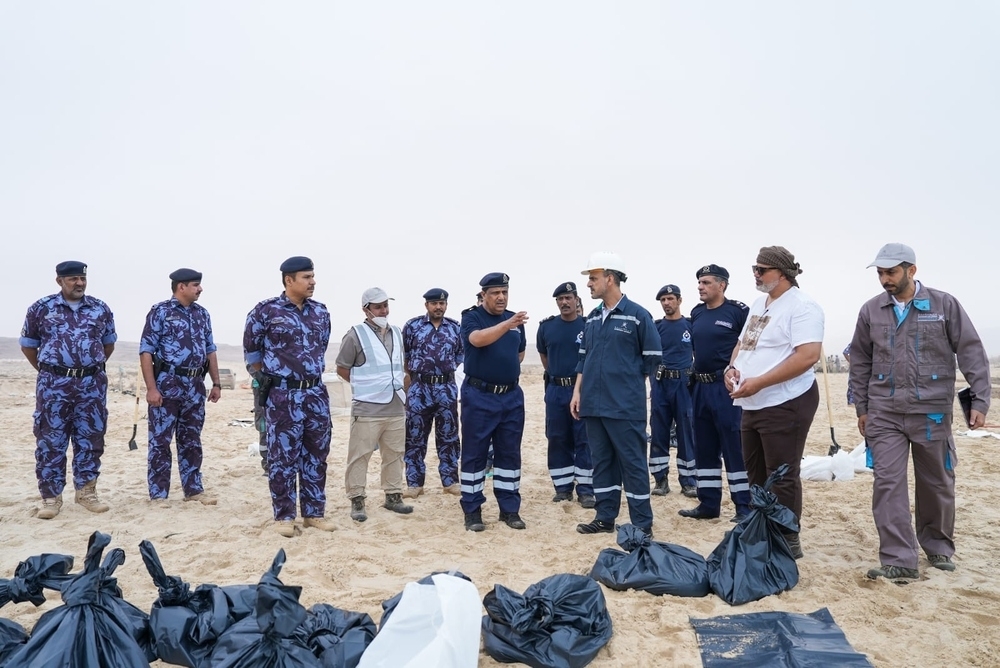
Meanwhile, NCEM’s Hazardous Materials Sector of the Civil Defence and Ambulance Authority (CDAA), in cooperation with the Environment Authority (EA), has stepped up efforts to mitigate pollution in the Ras Madrakah area. Monitoring operations continue on Masirah Island, where results confirm that pollution has not yet reached the shores. Specialized teams are tracking pollution movement, updating projected paths, and implementing preventative measures to protect the island’s marine and coastal environment.
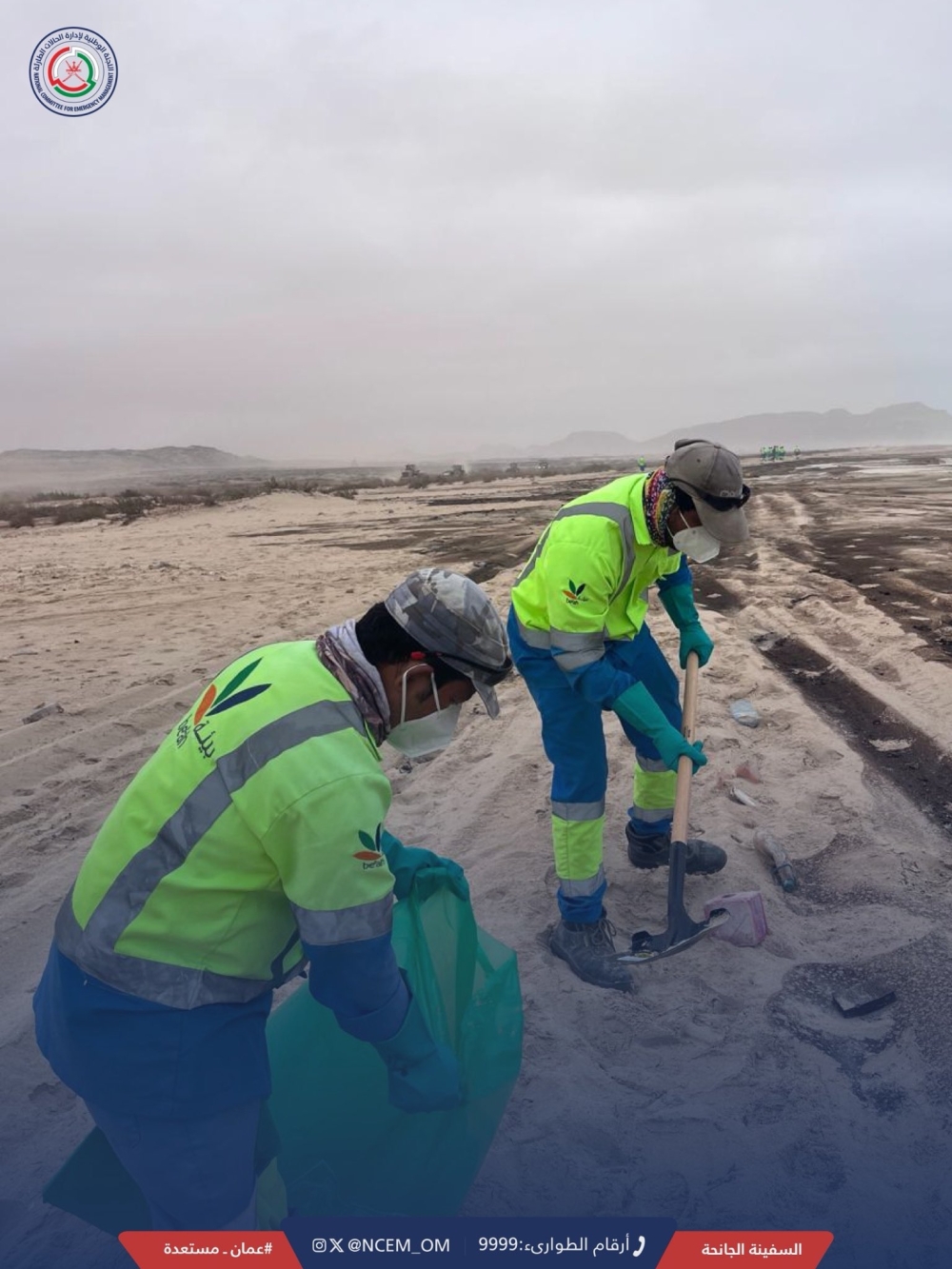
In the essential services sector, Be’ah has introduced procedures to manage waste generated from beach clean-up operations. Designated sites have been identified at the engineered landfill in Duqm and at the waste transfer point on Masirah Island, where waste will be assessed and disposed of appropriately. The water sector has also enhanced preparedness, including preparing coastal wells as alternative sources should desalination plants be affected.
Daily testing in Ras Madrakah and Duqm continues to confirm the safety of samples, while field response teams remain on site with contingency plans in place. On Masirah Island, readiness measures include securing resources and preparing for potential impacts.
Major General Sulaiman bin Ali Al-Hussaini, Chairman of CDAA and Head of NCEM’s Hazardous Materials Sector, along with Dr. Abdullah bin Ali al Amri, Chairman of EA, conducted a field visit today to Ras Madrakah beaches to monitor operations, assess developments, and review procedures undertaken to mitigate the oil spill’s impact. Their visit underscores the commitment to ensuring rapid response and effective coordination among all relevant authorities.
Oman Observer is now on the WhatsApp channel. Click here