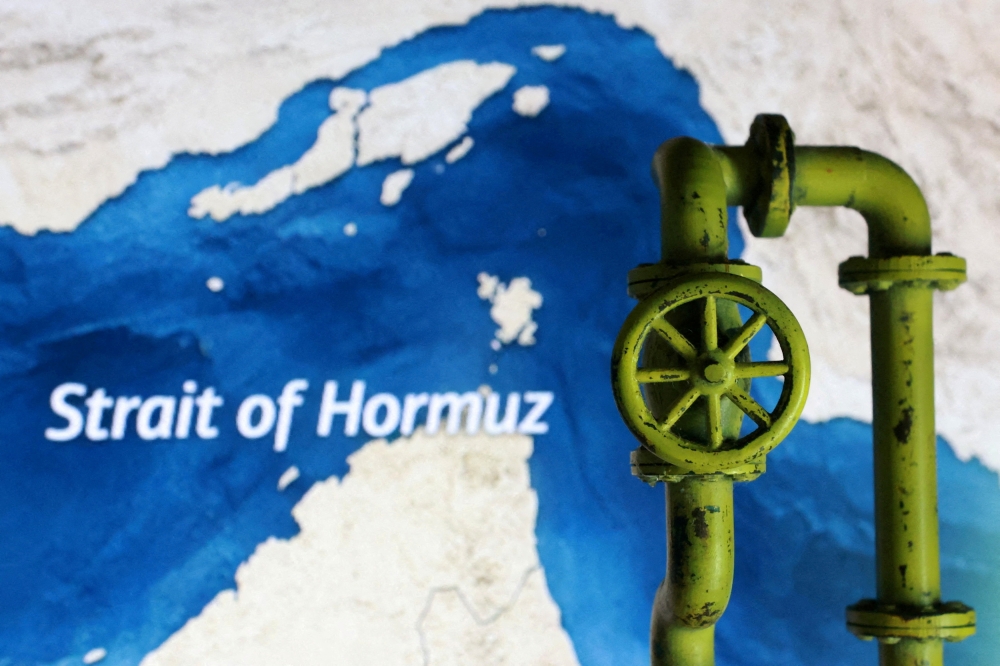





Disruption in the Strait of Hormuz has exposed the vulnerability of global trade to a single maritime chokepoint, with early data showing sharp falls in exports of energy, fertilizers and industrial products, the United Nations said in its report on Tuesday.
The analysis focuses on 12 energy, fertilizer, and industrial products for which Hormuz-dependent economies are important global suppliers.
Export volumes fell across all 12 selected strategic products, including declines of 95% for liquefied natural gas and 83% for urea.
The effects were particularly pronounced in some highly exposed markets: Japan, which historically sourced 91% of its crude petroleum oil imports from these economies, recorded a 64% decline in total imports.
Alternative suppliers increased shipments for 10 of the 12 products but fully offset lower imports from Hormuz-dependent economies only for ammonia and polymers of propylene.
"This suggests that trade diversion had begun but had not fully replaced disrupted supplies. Some markets may therefore have drawn on inventories or strategic reserves, increased domestic production where possible, or reduced consumption," the UN Said.
Disruption to navigation through the Strait of Hormuz has exposed the vulnerability of global supplies of energy, fertilizers, and industrial inputs to a single maritime chokepoint.
Since late February, reduced commercial passage and higher transport and insurance costs have affected trade flows well beyond the region. Efforts to restore regular passage continue, but traffic remains far below normal levels. The adjustment is likely to remain uneven, as delayed shipments, depleted inventories and disrupted shipping schedules continue to affect importing markets.
The economic effects extend well beyond the cargoes unable to cross the Strait. UNCTAD highlights higher energy prices, freight rates, marine fuel costs and insurance premiums as key channels through which the disruption can increase production and transport costs.
Rerouting also lengthens delivery times and can create congestion at alternative ports and transit routes. These pressures may ultimately feed into consumer prices, while higher fertilizer costs can affect agricultural production and food prices, particularly in vulnerable and import-dependent economies.
Preliminary data for April 2026 show that combined merchandise exports across all products from economies exposed to disruptions in the Strait declined by 21% in value. However, export values are also affected by sharp movements in international commodity prices triggered by the disruption itself. Changes in physical quantities therefore provide complementary evidence on the extent of the disruption to actual trade flows.
The analysis focuses on 12 strategically important energy, fertilizer, and industrial products for which Hormuz-exposed economies are important global suppliers. Across these products, export volumes fell by as much as 95%.
Oman Observer is now on the WhatsApp channel. Click here