




MUSCAT: Omani creators are transforming cultural memory into a living visual language that preserves identity while embracing modern expression.
Oral literature in Oman has never been merely a means of storytelling. For generations, it has served as a living record of people, places and experiences, carrying wisdom, emotions and cultural identity from one generation to the next.
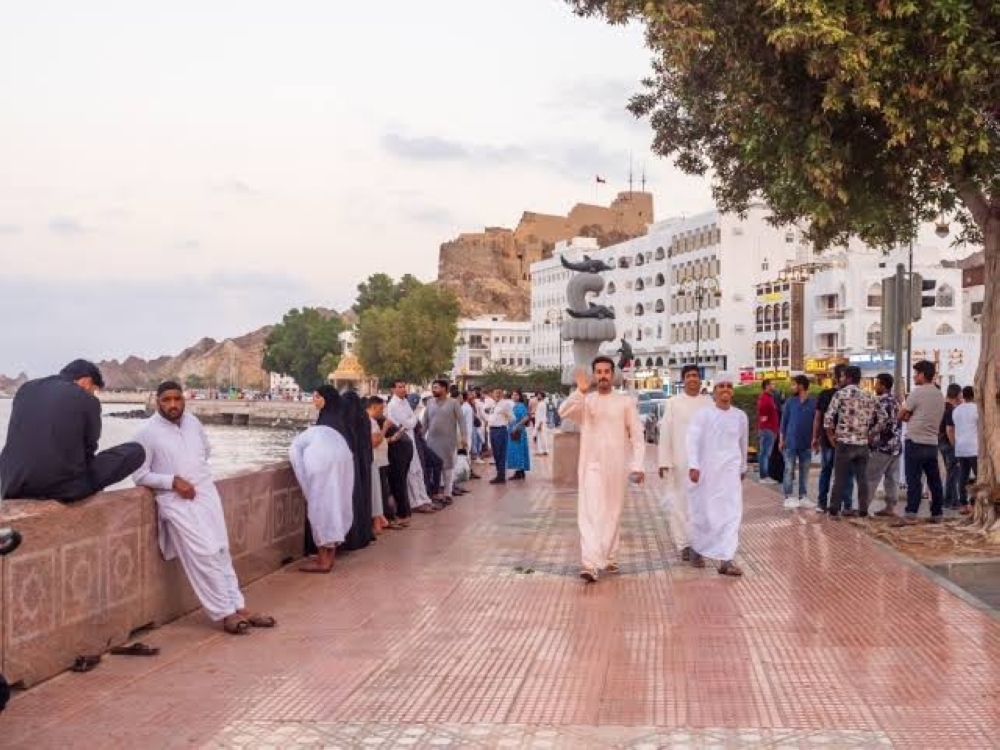
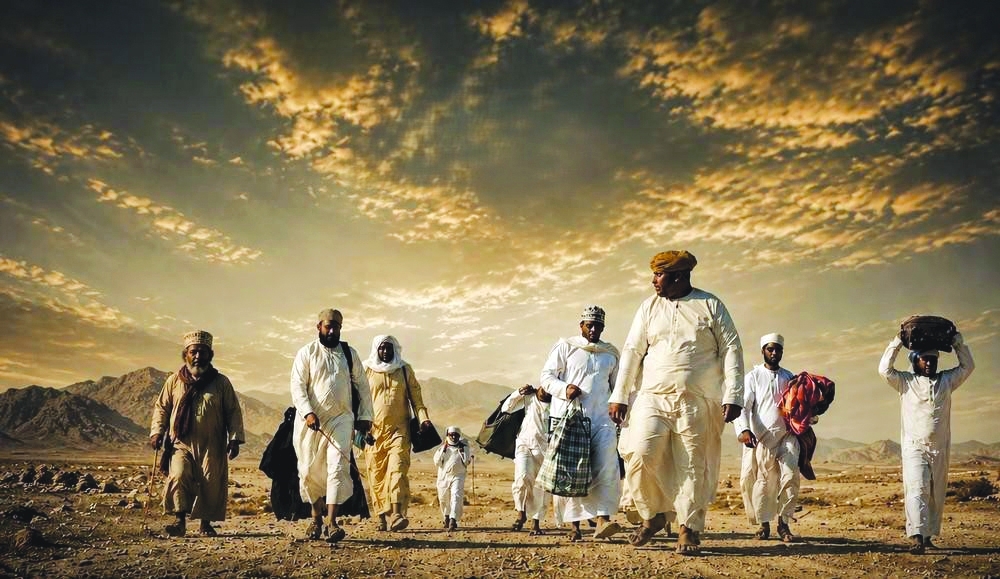
Today, with the evolution of visual arts, the Omani story is finding new forms of expression. Photography captures the spirit of traditional narratives, cinema transforms legends and collective memories into visual experiences, while contemporary art reinterprets heritage symbols through modern creative approaches.
This transformation highlights the ability of Omani visual language to serve as a natural extension of oral heritage — preserving authenticity while engaging with global artistic movements.
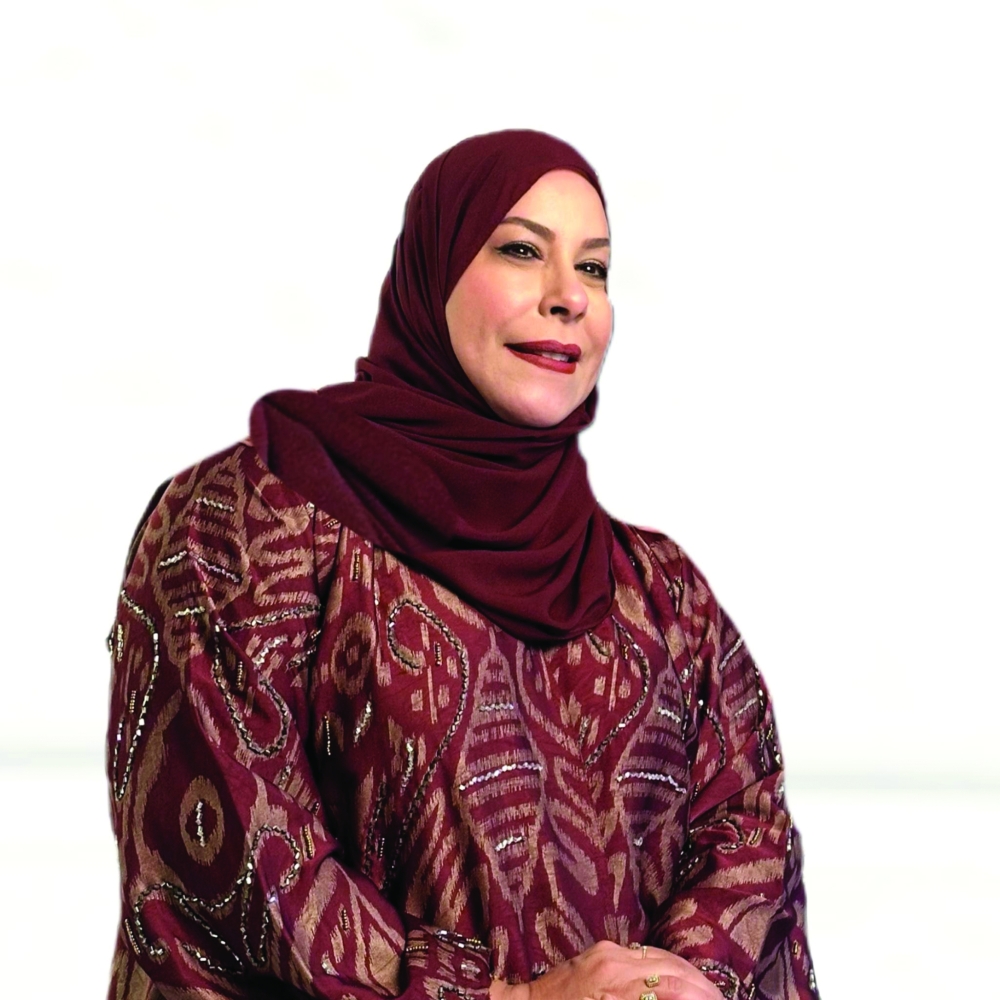
Visual artist Naila bint Hamad al Maamari believes that Omani art has moved beyond simply documenting heritage to recreating it as a dynamic cultural expression.
“Visual art in Oman has not been limited to documenting heritage visually, but has reproduced it as a living cultural material that can be reformulated within a contemporary visual discourse,” she said.
She explained that artists today draw inspiration from both tangible and intangible heritage, transforming traditional elements into symbols that carry deeper aesthetic and intellectual meanings.
Traditional architecture, including forts, castles, towers, mud houses and decorated wooden doors, has become more than a representation of the past. These elements now serve as visual symbols of continuity and identity.
Traditional crafts such as khanjar making, silverwork, palm-leaf weaving, textiles, pottery and Arabic calligraphy have also been reintroduced into contemporary compositions, while folk tales, songs, proverbs and social customs continue to inspire new forms of artistic interpretation.
“Heritage is no longer presented as a past that has ended; rather, it has become a dynamic element that is reinterpreted according to the vision of the contemporary artist,” Al Maamari said.
She stressed that Omani artists have successfully balanced cultural identity with openness to international artistic trends by embracing techniques such as abstraction, expressionism, conceptual art, multimedia and digital forms while maintaining strong local references.
Photographer Ziyad bin Khalfan al Maashari believes photography can preserve not only places but also human experiences and memories.
“Since my beginnings in photography, my goal has been for Omani photography to move beyond visual documentation and become a means of preserving memory, conveying emotions and telling the story of people before places,” he said.
He explained that identity is not limited to traditional clothing or historical landmarks, but exists in everyday details — in the face of a fisherman shaped by the sea, the hands of a farmer caring for a palm tree, or a child walking through old neighbourhoods.
For Al Maashari, successful photography depends on storytelling through light, shadow, composition and timing.
“A meaningful image is not only one that captures a scene, but one that preserves the memory of society, documents its values and gives people a lasting presence,” he said.
He added that the natural environment is not merely a background but an essential part of the narrative.
Cinema has also emerged as an important medium for transforming oral traditions into visual narratives.
Film director Abdullah bin Mohammed al Maliki believes Omani cinema has begun important work in presenting folk stories through a visual language, although the journey remains at an early stage.
“Omani cinema has started transforming folk tales from stories told through words into experiences that can be seen and felt,” he said.
He noted that films inspired by coastal, mountain and desert environments have shown that dialects, traditions and landscapes are not simply decorative elements, but essential parts of characters and their identities.
“Not every appearance of a dishdasha, castle or sea means we have created a profound Omani work. Depth comes when the story itself grows from local memory and the image serves the meaning rather than simply decorating it,” he said.
Storyteller Thamna bint Hubais al Jandal believes folk tales have the ability to survive because they continue adapting to new forms of communication.
According to Al Jandal, visual language should not compete with oral storytelling but extend its reach.
“A picture tells a story, and its story can sometimes go beyond words. A single image can convey emotions that pages may not describe,” she said. — ONA
Oman Observer is now on the WhatsApp channel. Click here