




From the quiet certainty of a high school classroom in Oman to the urgent, flashing lights of an ambulance in New Zealand, Tasneem al Maskari’s journey into medicine did not follow a lifelong script. It began, instead, with a moment of curiosity.
In her final year of school, Tasneem had her future mapped out, she would become a forensic scientist. But while exploring scholarship options through the Ministry of Higher Education, she came across a field she had never heard of before: paramedicine. A quick search was enough to change everything.
What she found was not just a profession, but a calling.
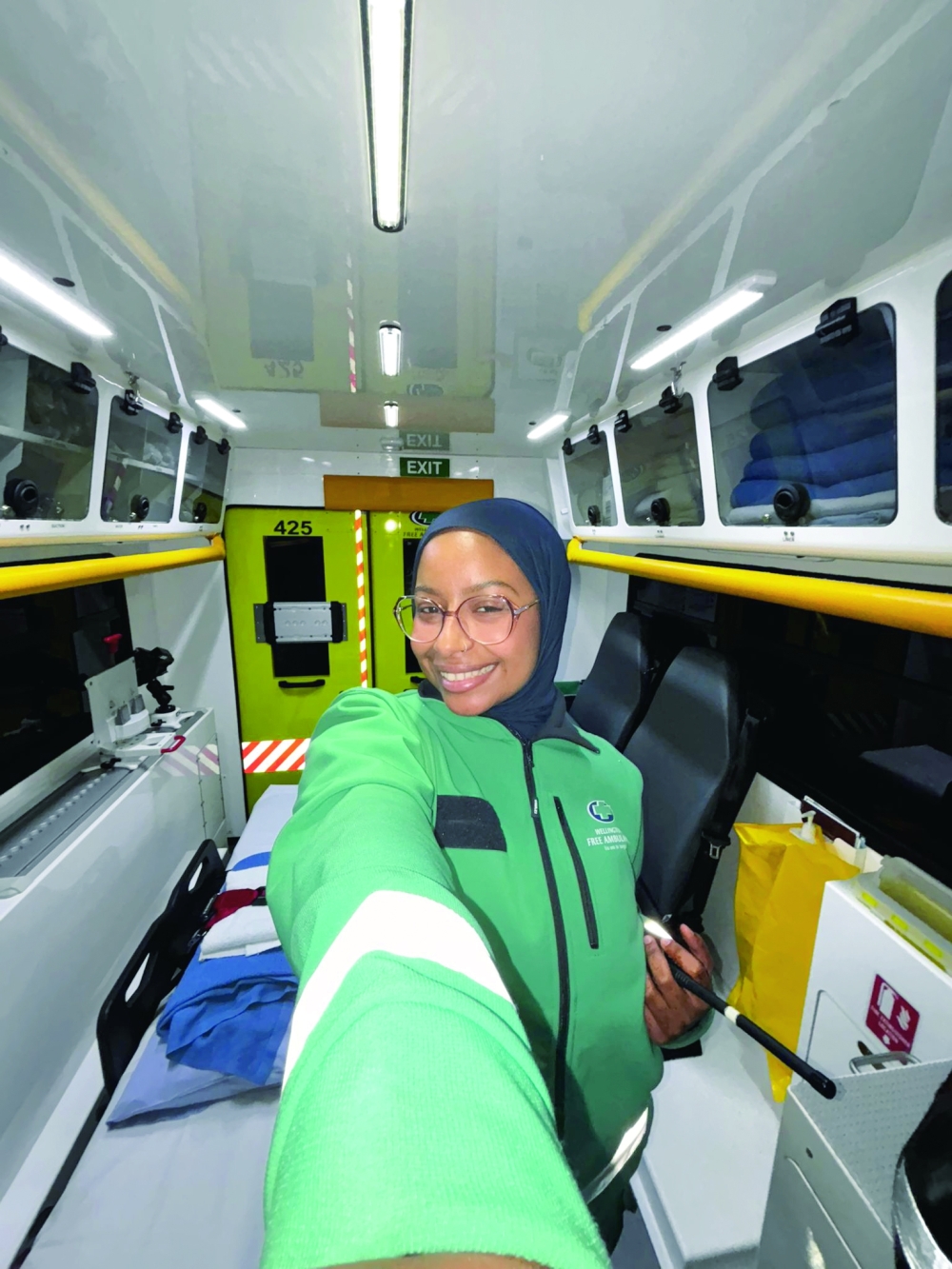
Soon after, she was on a plane to New Zealand, carrying with her a scholarship, a sense of purpose and the quiet determination to build a life far from home. Studying abroad opened doors, but it also demanded resilience. After completing her degree, Tasneem navigated the uncertainty many graduates face, taking on jobs outside her field just to stay afloat.
Then came the breakthrough, an opportunity with Wellington Free Ambulance.
It meant leaving Auckland for Wellington, starting over once again in a new city, with a new role that would test her limits in ways she had never imagined.
As the first Omani female medic to work in New Zealand, Tasneem’s challenges were layered. Professionally, she stepped into the demanding rhythm of emergency care, long shifts stretching across days and nights, constant exposure to high-pressure situations and the emotional weight of being responsible for lives. Doubt crept in, as it does for many new paramedics.
But support found her too, in colleagues who guided her and in structured training that eased her transition from student to medic.
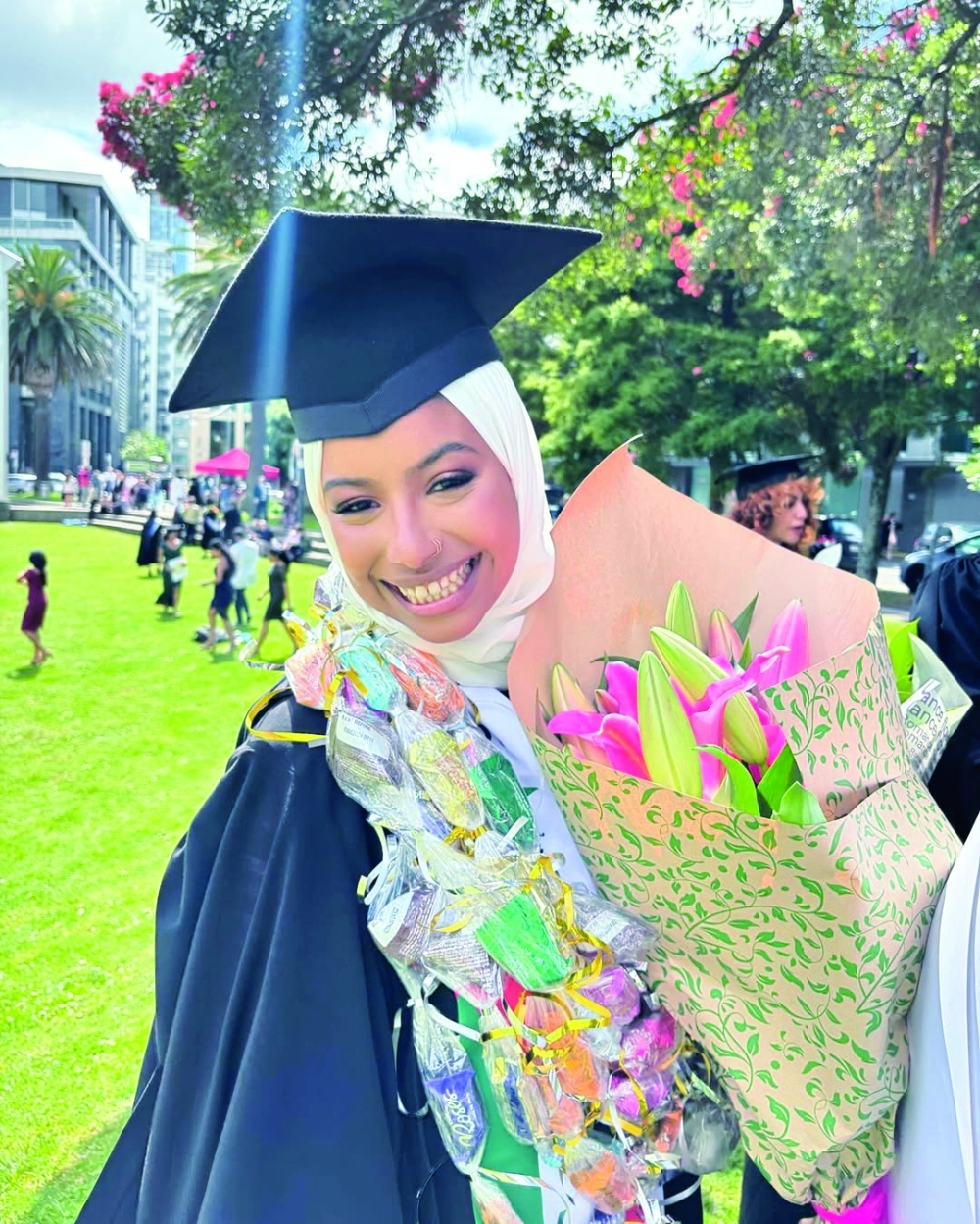
Personally, the challenges ran deeper. Distance from family in Oman and the life she had built in Auckland left her navigating a sense of displacement. At times, she felt the need to represent more than just herself, carrying the burden of challenging misconceptions about Arabs and Muslims.
Yet, in that unfamiliar space, she found growth.
Working within New Zealand’s healthcare system revealed a different scale of preparedness and reach. Ambulance stations were woven into nearly every community, responding to calls both minor and critical with advanced equipment and coordinated care. It was a level of accessibility that surprised her and one she hopes to see replicated back home.
Amidst the intensity of the job, one moment stands apart.
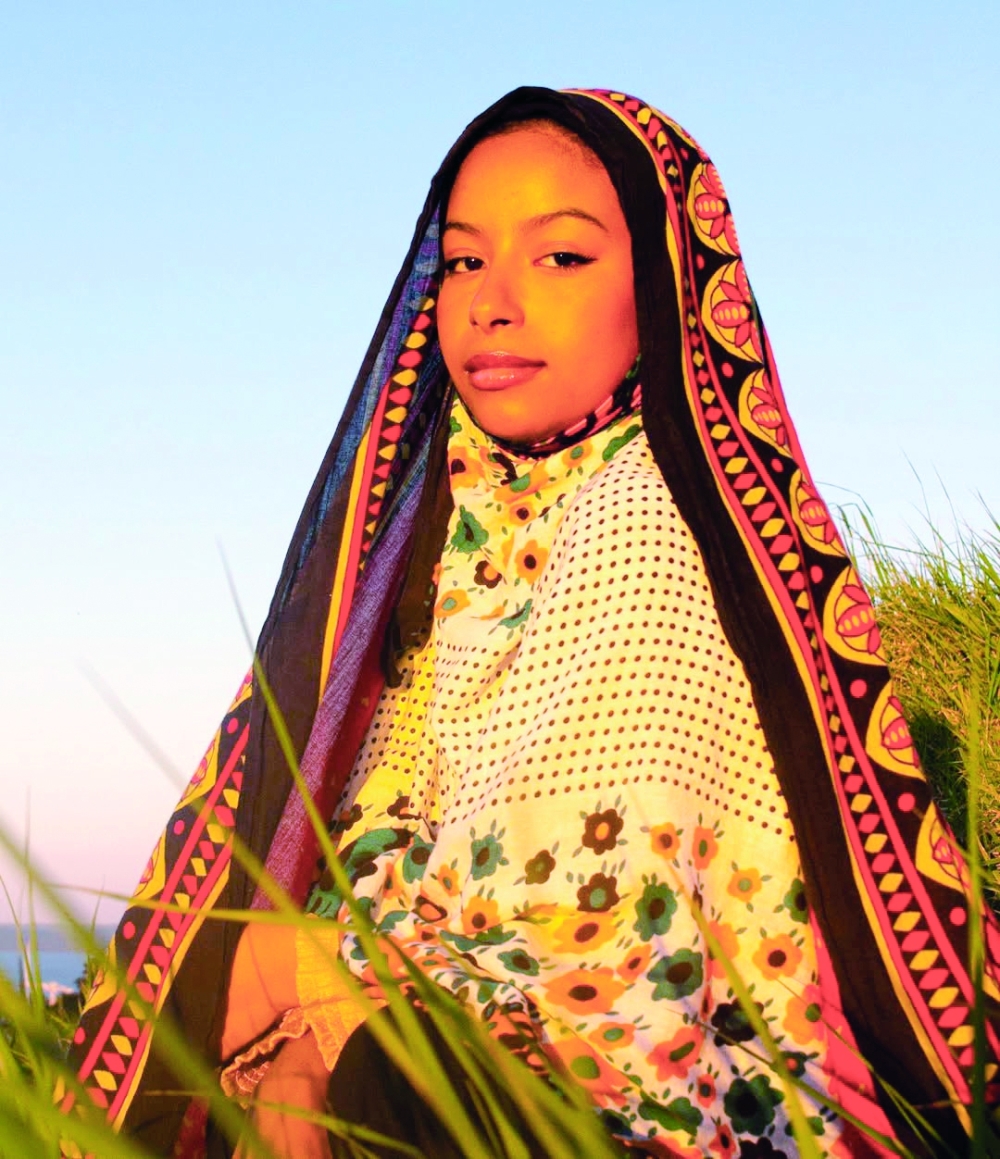
In the confined space of an ambulance, Tasneem helped deliver a baby, a rare and profound shift from the life-and-death situations she often encounters. Accustomed to fighting to sustain life, she found herself ushering a new one into the world.
“It felt magical”, she recalls, a moment of joy that cut through the pressure and stayed with her.
Living and working across cultures has reshaped her, both as a medic and as a person. It has deepened her empathy, widened her perspective and pushed her beyond the boundaries of familiarity.
Now, as she looks ahead, her vision turns back to Oman.
Tasneem hopes to return home, bringing with her the experience, knowledge and perspective she gained abroad. Her goal is clear, to contribute to the development of out-of-hospital emergency care and to be part of a system that serves communities across the country.
And perhaps, just as importantly, her journey stands as a quiet but powerful message to other young Omani women, that the path into medicine, even across continents, is not only possible, but waiting.
Oman Observer is now on the WhatsApp channel. Click here