




Each summer, as Oman’s waters become rich with plankton, the world’s largest fish begins its annual journey back to the Sultanate of Oman. The first whale sharks are now arriving, marking the start of one of Oman’s most remarkable marine wildlife seasons.
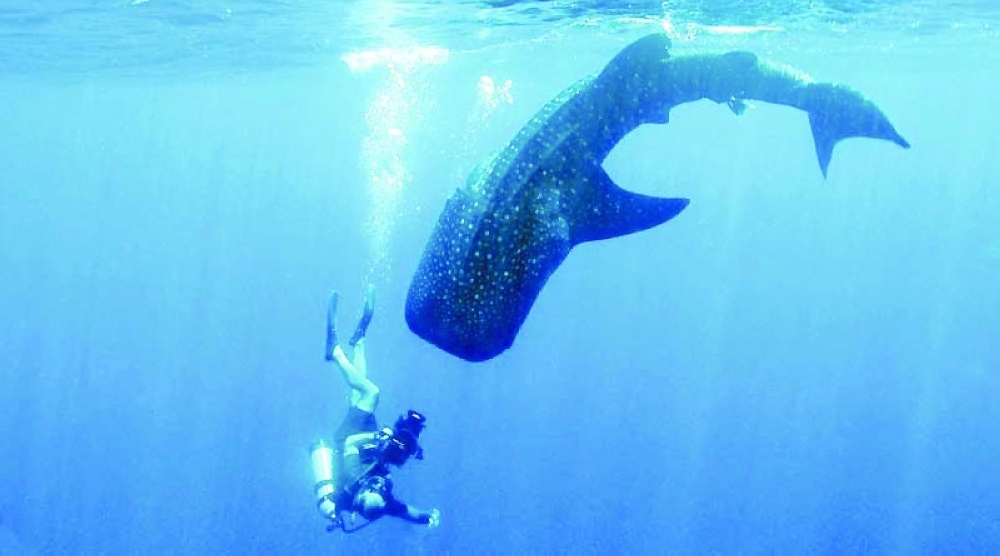
On a calm morning at sea, there is often little warning. A dark silhouette emerges beneath the surface before revealing itself as a whale shark, its distinctive white spots shimmering through the clear blue water. Despite growing up to 12 metres in length, the gentle giant moves with effortless grace, leaving those fortunate enough to witness it amazed.
Sightings are expected to become increasingly frequent, with the season peaking in August. For divers, snorkellers and boat operators, the arrival of whale sharks is more than a seasonal event. It is a reminder of the marine life found along Oman’s coastline and one of the highlights of the country’s tourism calendar.

For many visitors, seeing a whale shark is a once-in-a-lifetime experience. Unlike many large marine animals that disappear quickly into the distance, whale sharks often swim calmly near the surface while feeding on tiny plankton. Their enormous size creates a sense of awe, yet their slow, peaceful movements soon replace any apprehension with admiration.
Along Oman’s northern coastline, particularly around the Daymaniyat Islands, excitement builds as sightings are shared among diving centres and tour operators. Guides monitor sea conditions and plankton blooms, which can signal the arrival of the gentle giants.
Visitors travel from the Gulf and beyond for a chance to swim alongside an animal that can weigh more than 20 tonnes while feeding almost entirely on microscopic organisms.
Yet encounters are never guaranteed. Whale sharks remain wild animals following migratory routes shaped by food availability and changing ocean conditions. This unpredictability makes each sighting special. Some visitors may spend days searching before catching a glimpse, while others are rewarded within minutes of leaving the marina.
The growing popularity of whale shark tourism has highlighted the importance of responsible wildlife encounters. Operators encourage visitors to keep a respectful distance, avoid touching or chasing the animals, and allow them to move freely. These simple measures can help protect the sharks and ensure future generations can enjoy the same experience.
Their annual return shines a spotlight on Oman’s marine biodiversity. While the Sultanate is known for its mountains, deserts and wadis, its coastline is equally remarkable. Dolphins, sea turtles, coral reefs, migrating whales and countless fish species form an underwater world that is gaining recognition among international travellers.
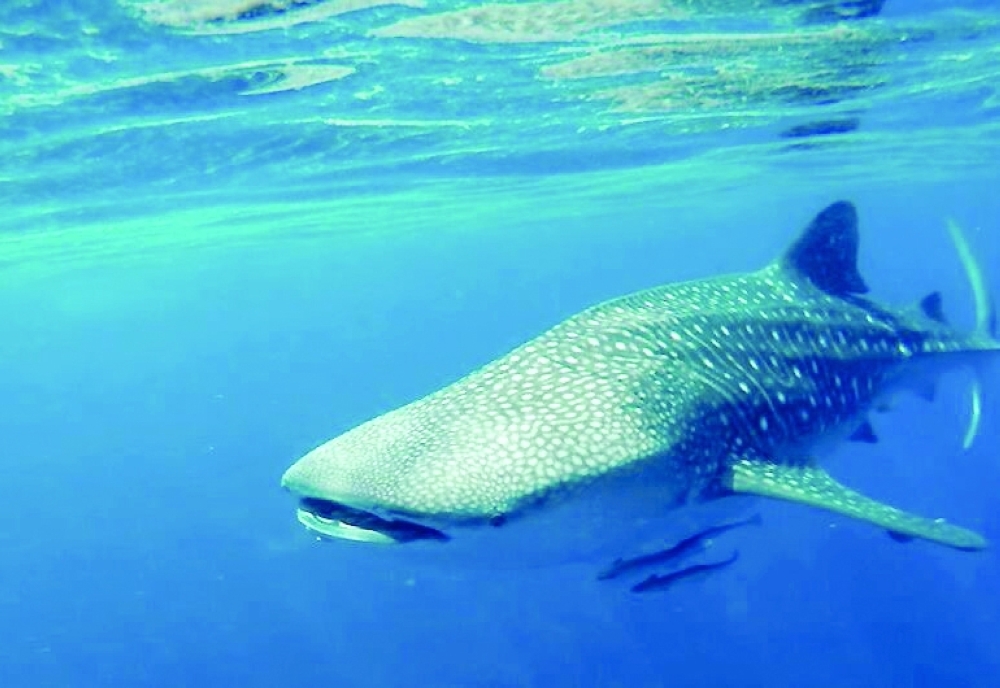
Whale sharks are also valuable to researchers. Their checkerboard-like pattern of white spots is unique to each individual, allowing scientists to identify them much like fingerprints distinguish humans. Photographs can therefore contribute to research on migration patterns and population movements.

As demand for nature-based tourism grows, wildlife experiences are becoming an increasingly important part of Oman’s tourism offering. Many travellers now seek authentic encounters that connect them with the natural world rather than crowded attractions.
Perhaps the greatest appeal of the whale shark lies not only in its size but in the emotions it evokes. For a few moments, the noise of everyday life disappears, replaced by the rhythm of the sea and the effortless movement of one of the ocean’s most magnificent creatures.
As the season gathers momentum, more whale sharks are expected to arrive in Oman’s waters. For those fortunate enough to encounter one, the memory is likely to remain long after the boat returns to shore, a reminder that some of the country’s greatest treasures lie beneath the surface.
Oman Observer is now on the WhatsApp channel. Click here