




QASIM AL MAASHANI
MUSCAT, JUNE 27
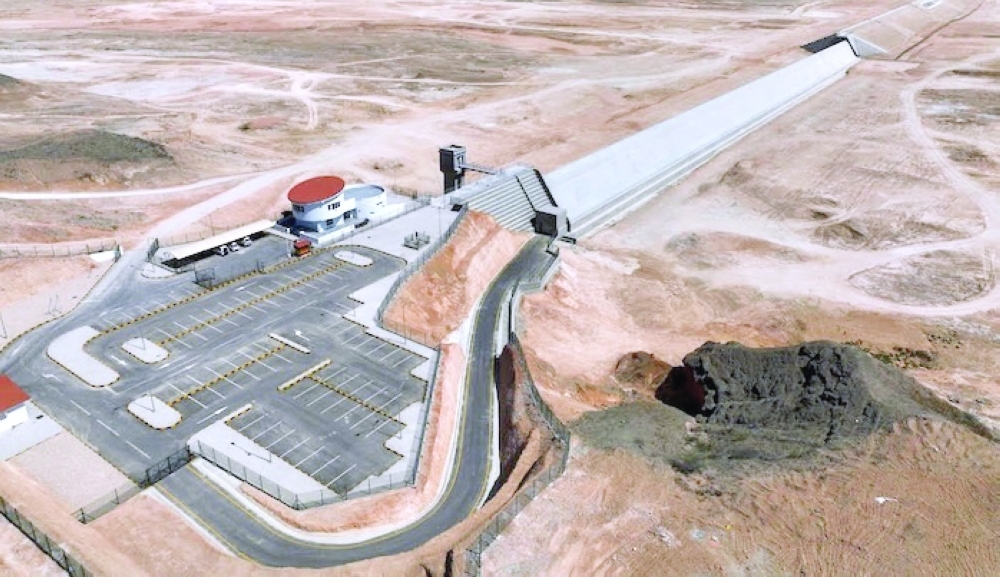
Oman has invited international bids for the construction of a flood-protection dam at Wadi Al Khoudh in the Wilayat of Al Seeb, placing one of Muscat Governorate’s long-planned flood-risk projects back on the infrastructure agenda under an Islamic Development Bank-backed climate resilience programme.
The Ministry of Agriculture, Fisheries and Water Resources has invited sealed bids from eligible contractors for the construction of the Wadi Al Khoudh flood-protection dam, according to a procurement notification issued by the Islamic Development Bank (IsDB).
The notification sets August 9, 2026, as the deadline for bid submissions. The project will be procured through international competitive bidding procedures.
The tender is significant because it moves the project from long-term planning back into an active procurement stage. It also reflects the growing importance of flood protection, urban safety and climate-resilient infrastructure in Oman’s development planning.
The Wadi Al Khoudh project forms part of the wider Climate-Resilient Flood Protection Dams Project, backed by IsDB financing. A general procurement notice for the programme listed several components, including flood-protection dams at Wadi Al Khoudh in Al Seeb, Wadi Rijma in Liwa, Wadi Majlas in Qurayat and Wadi Ahin in Saham.
The wider programme also includes Saham Agriculture City and an institutional development and capacity-building centre, linking flood protection with water management, agricultural development and long-term institutional capacity.
IsDB documents and announcements have cited the wider programme at more than $600 million. That figure refers to the broader programme and should not be read as the value of the Wadi Al Khoudh dam alone.
The Wadi Al Khoudh scheme has a long policy background. Royal Decree 21/2013 had earlier declared the project to construct a dam to protect against flood risks in Wadi Al Khoudh in the Wilayat of Al Seeb as a public utility project, underlining the strategic importance attached to the site.
For Muscat Governorate, flood-risk management in Al Seeb carries direct implications for households, roads, public services and future urban expansion. In economic terms, such projects are not only defensive investments; they can also reduce disruption to transport, utilities and business activity during severe weather events.
Oman Observer is now on the WhatsApp channel. Click here