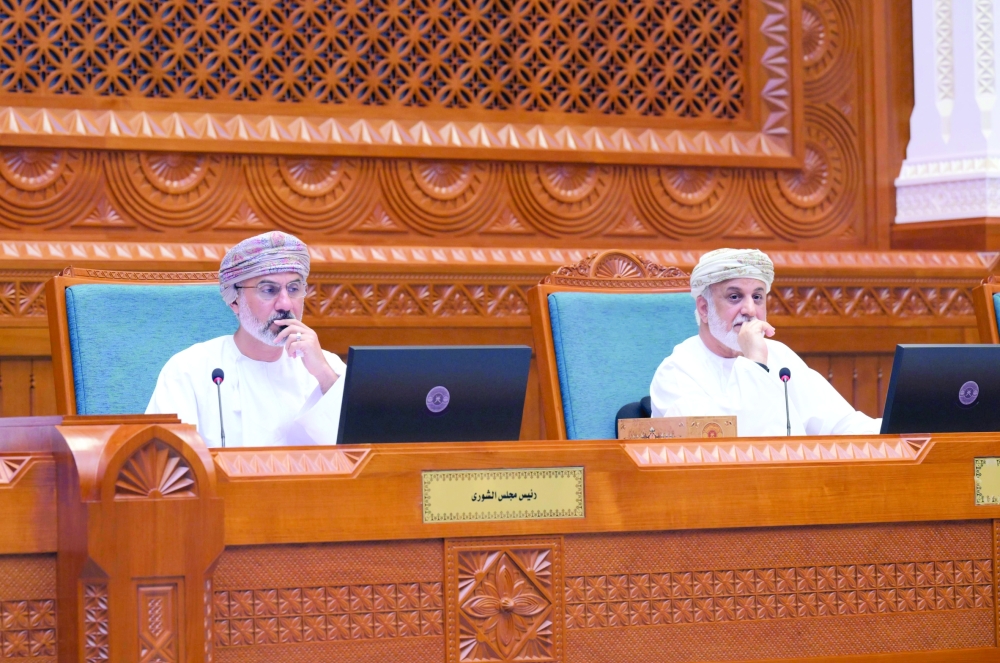
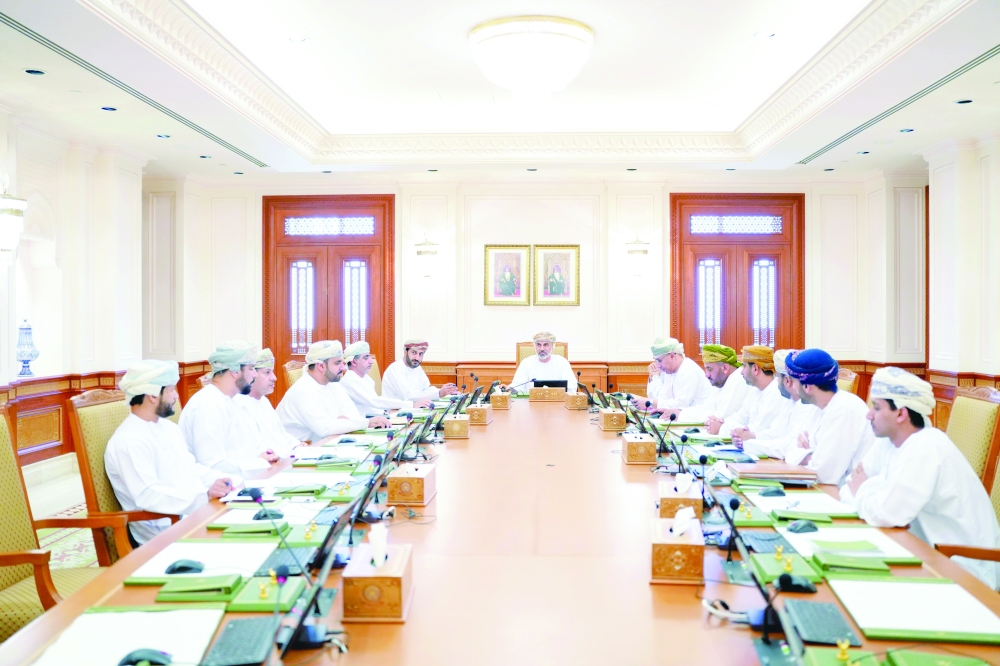
Oman’s decision to reserve 11 additional seats for women in the Majlis Ash'Shura marks one of the most significant political reforms for women in the country in recent years. By allocating one guaranteed seat for a woman in each of the Sultanate of Oman's eleven governorates, His Majesty Sultan Haitham bin Tarik has addressed a long-standing challenge in Omani politics: despite women's growing role in education, business, healthcare and government, they have remained underrepresented in elected office.
The importance of this decision extends far beyond numbers. It is about ensuring that Omani women are not merely participating in society but are also helping shape its future.
The reform follows the 2023 Majlis Ash’shura elections, in which no female candidates were elected among the council's 90 members. The absence of women from the elected chamber stood in sharp contrast to their growing presence across nearly every other sector of Omani society. Women today serve as ministers, ambassadors, entrepreneurs, university professors, doctors, engineers and senior executives. Their absence from elected politics therefore reflected not a lack of ability, but structural barriers that made electoral success particularly difficult.
By guaranteeing representation from every governorate, Oman is recognising that women deserve not only the opportunity to run for office, but also a meaningful place within national decision-making.
Politics affects every aspect of people's lives, from education and healthcare to employment, housing and family policy. When only one segment of society dominates decision-making, there is always a risk that other perspectives receive less attention. Women often bring experiences and priorities that differ from those of their male counterparts, not because one perspective is inherently better than another, but because societies function best when multiple voices contribute to policy.
Women are often at the forefront of issues affecting families, childcare, education, healthcare and community wellbeing. They understand challenges that may otherwise receive less political attention. Their experiences allow them to contribute ideas that strengthen public policy not only for women, but for society as a whole.
Around the world, politics continues to be dominated by men.
While progress has been made in many countries, women remain underrepresented in national parliaments globally. This matters because political decisions rarely affect everyone equally. Women, children, people with disabilities and other underrepresented groups often experience public policy differently. Ensuring that these perspectives are present during legislative discussions creates more inclusive and effective decision-making.
Sayyid Badr bin Hamad al Busaidy, Foreign Minister, welcomed the reform, stating, "Women in the Sultanate of Oman have gained a new entitlement through the allocation of 11 permanent and elected seats in the Majlis Ash’shura, representing an advanced level of representation by global standards. This further consolidates the concept of women as essential partners in national development." This reflects an understanding that women's political participation is not symbolic; it is essential for the country's continued progress.
In addition, young Omani girls will now grow up knowing that women will have a guaranteed place in one of the country's most important elected institutions. Representation matters because it shapes expectations. Seeing women debate legislation, question ministers and participate in national policymaking encourages future generations to imagine themselves in similar positions.
Importantly, these eleven additional seats do not replace existing elected positions. Women will still be able to compete for the general seats alongside male candidates. The reserved seats therefore expand female representation without reducing opportunities elsewhere. Rather than limiting democratic participation, the reform broadens it.
The decision also aligns with Oman's wider national development goals. Oman Vision 2040 emphasises human capital, innovation and inclusive participation in public life. These objectives cannot be fully achieved if half the population remains underrepresented in political institutions. Development is strongest when talent, not gender, determines who contributes to the country's future.
Ultimately, the significance of these eleven seats lies not simply in the number itself, but in what they represent. They represent recognition that women belong at the table where national decisions are made as well as confidence in the abilities of Omani women to contribute to legislation, oversight and public policy. And they represent an investment in a more representative political system, one where the voices shaping Oman's future better reflect the people who call the country home.
Oman Observer is now on the WhatsApp channel. Click here