




Diplomacy takes many forms, from formal meetings and trade agreements to cultural and environmental exchange. Russia’s “falcon diplomacy” combines all three, using the breeding, conservation and exchange of rare birds of prey to strengthen ties with Middle Eastern, Asian and BRICS countries.
At its centre is the cultural importance of falconry. Across the Arab world, falcons are associated with heritage, pride and status. Russian President Vladimir Putin has gifted prized gyrfalcons from Russian breeding programmes to leaders in Saudi Arabia, Kuwait and the UAE, gestures that have helped build rapport through a shared appreciation of the tradition.
The initiative rests on diplomatic, economic and conservation pillars. Russia says its breeding centres can support wildlife protection while meeting demand for captive-bred birds, helping reduce pressure on wild populations and illegal poaching.
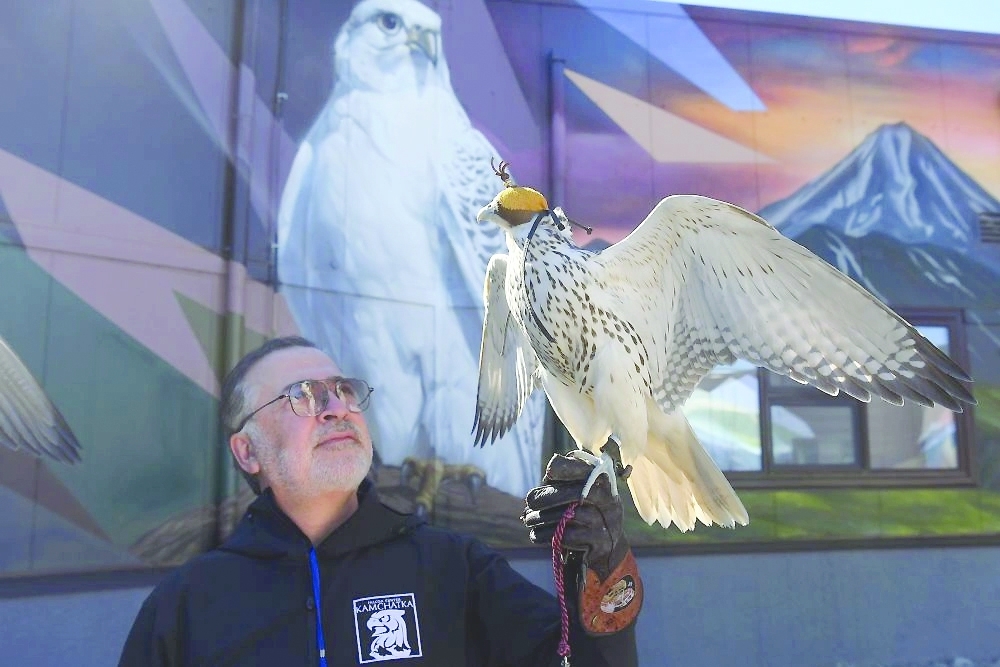
The Kamchatka Falconry Centre, in the Milkovsky District of Kamchatka Krai, is Russia’s flagship facility. Opened in 2022, it is the country’s first large-scale centre dedicated to reproducing rare birds of prey. Designed to breed up to 1,000 birds annually, it brings together international expertise in falcon reproduction and conservation, including Russian-Kyrgyz falconry practices.
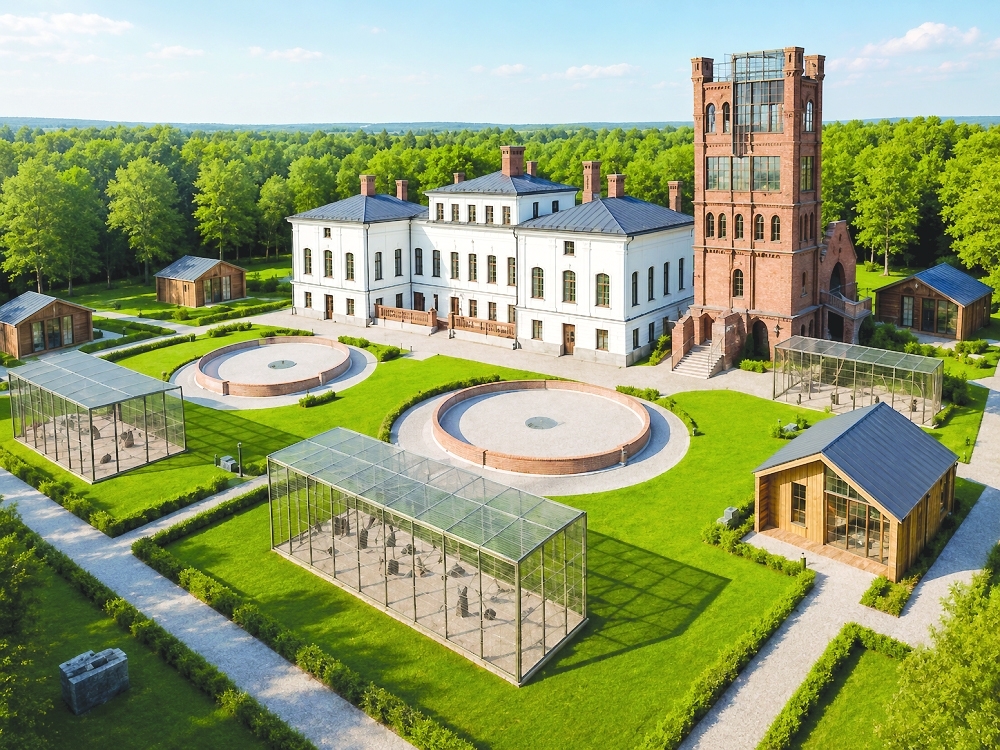
Building on that model, Russia is developing the International Falconry Centre “Volga” in the Nizhny Novgorod Region. The centre is intended to anchor a broader federal network of breeding and conservation facilities in European Russia. Beyond its scientific role, the project is envisaged as a tourism and events destination, hosting international conventions, exhibitions, sports competitions and cultural programmes.
Russia also uses international forums to expand the initiative. Falcon Day, held annually alongside the Eastern Economic Forum in Vladivostok, brings together range states, conservationists and government representatives to discuss biodiversity, ecological tourism and the sustainable use of wildlife. Delegations have included participants from the UAE, Saudi Arabia, Qatar, India and Afghanistan.
Conservation work extends beyond breeding. In the Republic of Tatarstan, the Volga-Kama Saker Falcon reintroduction project aims to revive a species that had disappeared from the area. Falcon chicks from established Russian nurseries are raised and acclimatised with support from student volunteers and CCTV monitoring before being released to fly and hunt in the wild. The Ministry of Ecology of Tatarstan and the Russian Raptor Research and Conservation Network document updates on the project.
Other sites add to the wider ecosystem. The Russian Falcon Centre in Lipetsk Oblast, near the Galichya Gora Reserve, focuses on rescuing, rehabilitating and conserving birds of prey while offering educational excursions. In Michurinsk, Tambov Oblast, the Falcon Courtyard ethno-park introduces visitors to live birds and their history. Further south, the Volga-Akhtuba Floodplain near Volgograd provides a protected habitat for rare Red Data Book species and is a draw for birdwatchers.
By linking a centuries-old sporting tradition with modern conservation, Russia’s falcon diplomacy presents birds of prey as more than symbols of prestige: they become a route for environmental cooperation and international partnership.
Oman Observer is now on the WhatsApp channel. Click here