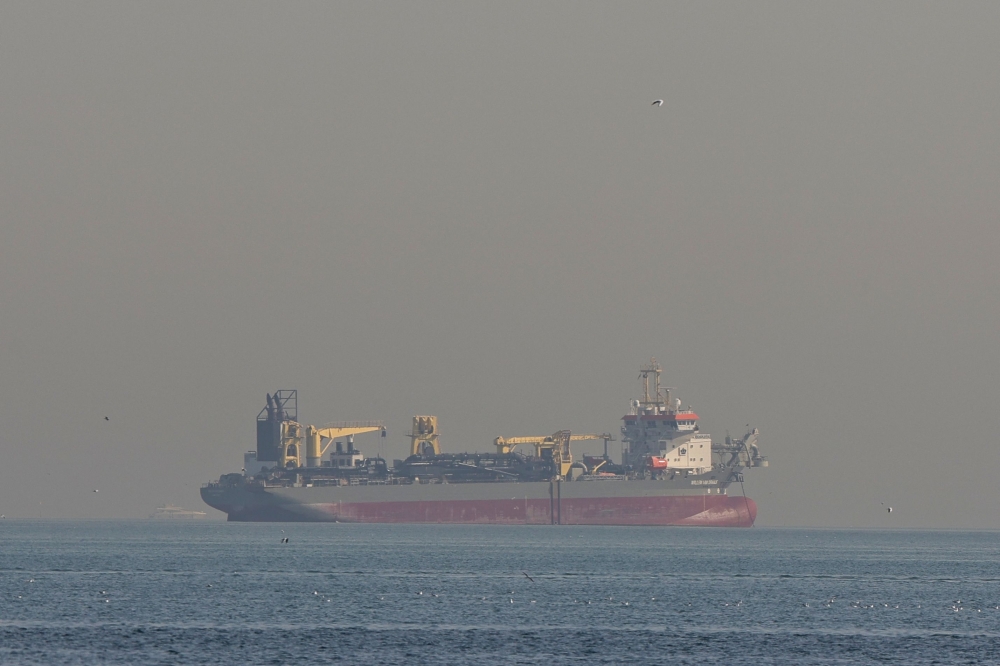
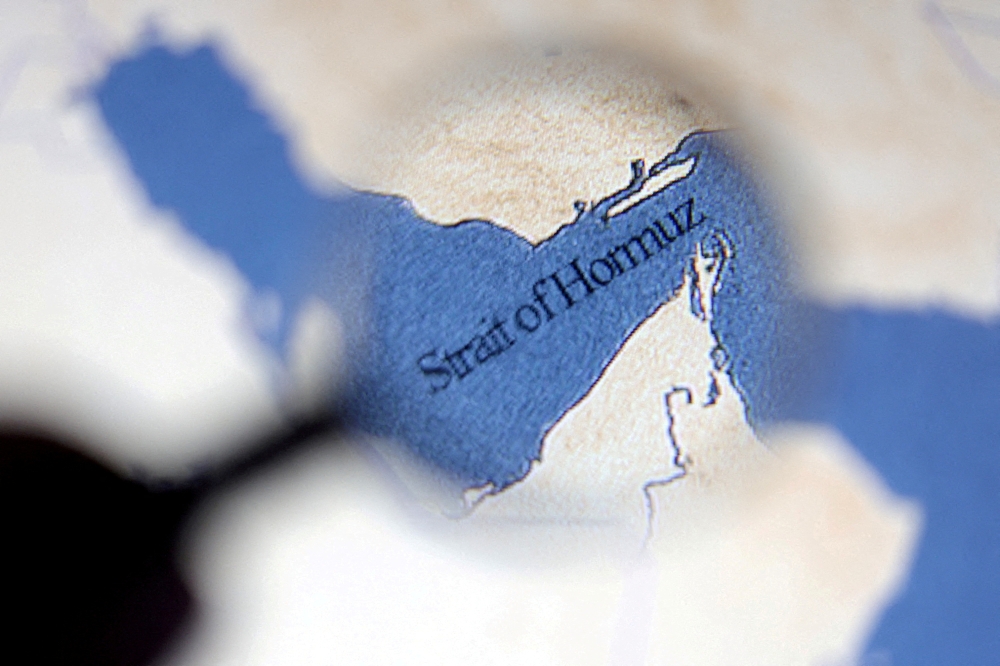
At just 33 kilometres wide, the Strait of Hormuz carries more daily oil than all European pipelines — enough energy to power entire nations. Yet this artery now acts like a fault line: the world’s largest oil supply disruption here could shake global markets more than any supply chain crisis since Covid-19.
Around 20 million barrels of oil — about 20% of global consumption and over a quarter of seaborne oil trade — pass through Hormuz daily. As energy historian Daniel Yergin notes, Hormuz is “the key chokepoint for global oil”, underscoring the vulnerability of concentrated energy flows.
Recent attacks on Gulf energy facilities, slowed tanker traffic and rising insurance costs pushed oil prices up nearly 30% in a single day, disrupting supply chains worldwide. Asian markets initially fell but recovered as crude eased and the G7 pledged measures to stabilise energy markets, highlighting how local instability now carries global ESG and economic consequences.
ENERGY, TRADE AND ESG VULNERABILITIES
Energy sits at the heart of global sustainability. Conflict-driven price spikes are raising transport emissions, shipping costs and industrial disruption (see Figure for a breakdown of the ESG and carbon impact of rerouting).
Aviation and tourism are early casualties, with fuel accounting for up to 30% of airline operating costs. Gulf producers — Saudi Arabia, UAE, Kuwait, Iraq and Bahrain — have slowed output, exposing systemic risks in a highly concentrated energy corridor.
Nearly 20% of global LNG flows through Hormuz, mainly from Qatar’s Ras Laffan Industrial City, with disruptions sending European gas prices soaring 40–50%, highlighting the fragility of energy transition strategies and global reliance on fossil fuels. Asia is even more exposed: 84% of crude passing through Hormuz is destined for China, India, Japan and South Korea. ESG-conscious markets now confront difficult trade-offs between energy security and decarbonisation goals.
FOOD SECURITY AND MARITIME DEPENDENCE
The Gulf imports 80–90% of its food, with over 70% of GCC imports passing through Hormuz. Globally, 80% of goods move by sea, meaning any disruption can ripple across energy, industrial and agricultural supply chains, driving price volatility, inflation and social stress.
From an ESG perspective, these spotlight interconnected risks: environmental, through energy-intensive shipping reroutes; social, via food access challenges; and governance, through reliance on a single vulnerable corridor. Governments have acted — Kuwait temporarily banned exports and the UAE confirmed strategic reserves — but these are short-term buffers. While the Gulf ranks high in food security (all six GCC states in the top 50 of the 2022 Global Food Security Index), the crisis highlights the urgent need for resilient, diversified and sustainable supply chains.
OMAN’S STRATEGIC MOMENT
Oman’s ports — Duqm, Salalah and Sohar — sit outside the strait, opening onto the Arabian Sea. Unlike other Gulf hubs, they offer alternative pathways for energy, food and industrial goods, reducing chokepoint risk. Coupled with Oman’s neutral stance, the country could emerge as a sustainable, resilient trade hub.
The Covid-19 pandemic proved supply chains are efficient but fragile. Now, geopolitics threatens a similar shock. Hormuz is currently a global vulnerability and Oman’s geography — paired with its neutrality — may offer a pathway around the world’s most volatile energy corridor, safeguarding trade and energy flows in an unstable region.
Alena DiquenThe writer is Founder, ESG Middle East Insights
Oman Observer is now on the WhatsApp channel. Click here