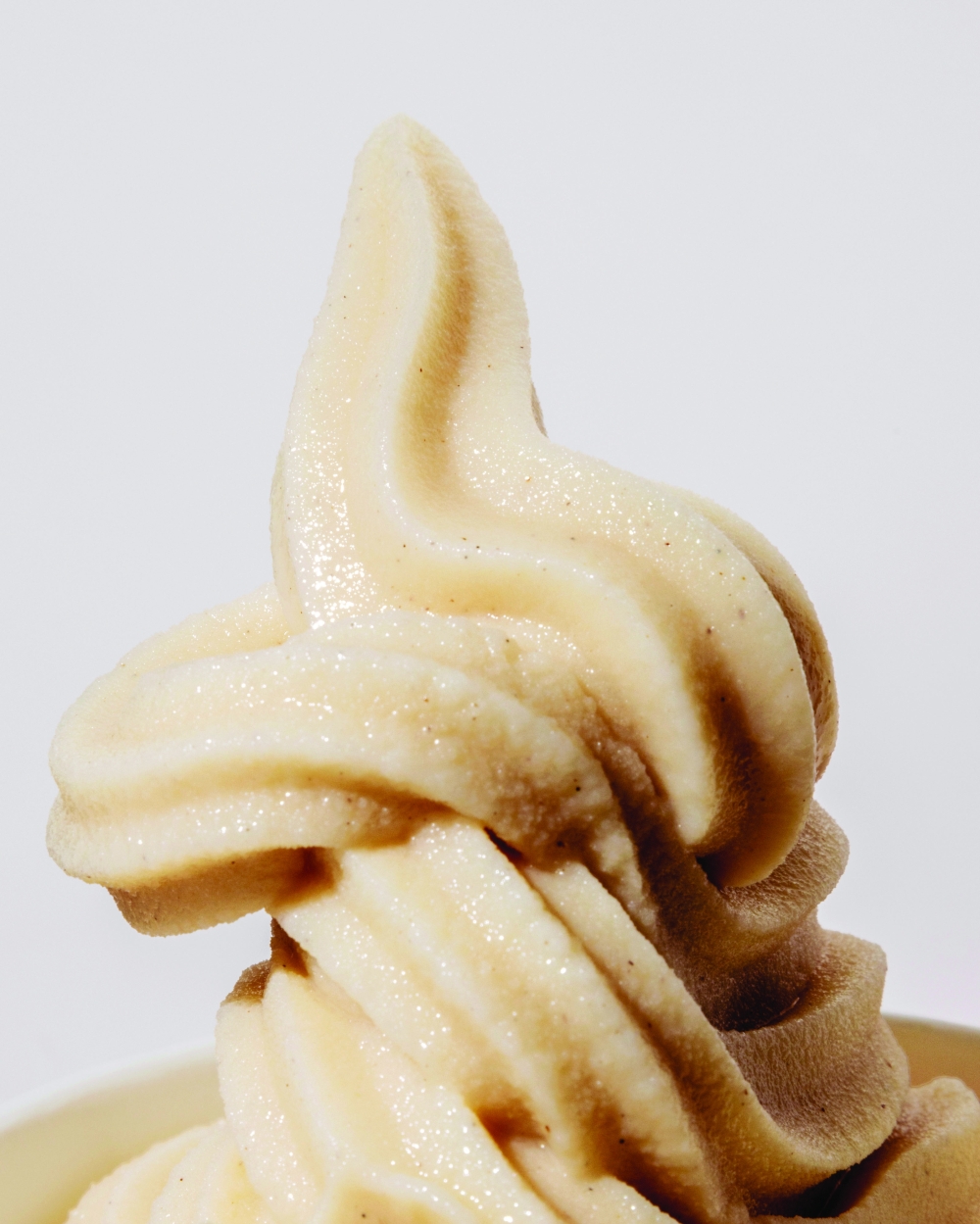





Since frozen yoghurt took off in the 1970s, it has been pitched as a healthier alternative to ice cream. In TCBY advertisements from the 1990s, its low-calorie, nonfat version was said to have “all of the pleasure, none of the guilt”. Today, some Greek yoghurt shops tout gut-friendly probiotic benefits.
After a few years of lackluster sales, frozen yoghurt is having a resurgence. Within the last year, an estimated 129 new frozen yoghurt shops have opened in the United States — about a 50 per cent increase from the previous year, according to the International Frozen Yoghurt Association.
In videos on social media, people are seen waiting in exceptionally long lines for the dessert at shops in New York City, Miami and Los Angeles — or sharing homemade recipes.
Is frozen yoghurt really nutritionally superior to ice cream? Or is it just marketing hype? We asked nutrition experts to weigh in.
What’s in frozen yoghurt?
Unlike ice cream — which by federal law must contain at least 10 per cent fat and be made from pasteurised dairy ingredients like milk or cream — the contents of frozen yoghurt can vary widely, said Scott A Rankin, a professor of food science at the University of Wisconsin-Madison.
Frozen yoghurt typically contains 3 per cent to 4 per cent fat (or less in nonfat or low-fat versions), Rankin said and it is made with at least one fermented milk product, like yoghurt or cultured milk, along with sugar and flavourings. Fermented milk contains live microbes, which convert sugar to lactic acid, providing that quintessential tangy flavour, said Chris Loss, a food science lecturer at Cornell.
As with much of the ice cream in the United States, most frozen yoghurt sold in stores and shops is ultraprocessed. It often includes sweeteners (like corn syrup or dextrose), as well as stabilisers and emulsifiers (like carrageenan, guar gum or xanthan gum) that help provide a smooth texture and prevent ice crystal formation, Rankin said.
In general, ultraprocessed foods have been linked to greater risks of obesity, cardiovascular disease, Type 2 diabetes and other health conditions.
What does the research say?
No rigorous studies have examined the health differences between the desserts, but their nutritional profiles offer some clues.
Frozen yoghurt typically has fewer calories and less saturated fat than ice cream, said Michelle Routhenstein, a dietitian in New York City. But it also sometimes contains more added sugars to balance the tartness of the yoghurt, Loss said.
A small original frozen yoghurt from Pinkberry, for instance, has 30 fewer calories and 5 more grammes of added sugars than a similar-sized serving of Breyers French Vanilla ice cream. The frozen yoghurt also has zero grammes of saturated fat, compared with the 6 grammes in the ice cream.
When consumed in excess, saturated fats can raise blood levels of LDL (or “bad” cholesterol), which increases the risk of cardiovascular disease.
That said, both treats are typically high in added sugars that, over time, can raise the risk of Type 2 diabetes, obesity, heart disease and other health conditions.
While frozen yoghurt is slightly lower in calories than ice cream, most people add toppings to frozen yoghurt that easily offset that difference, said Julie Stefanski, a dietitian in York, Pennsylvania.
Many frozen yoghurt brands list live cultures, including of beneficial bacteria, among their ingredients. Some limited research has found that eating yoghurt or other fermented dairy products containing these cultures can come with gut health benefits like reduced stomach pain, gas and constipation, but it is unknown if those benefits translate to frozen yoghurt, said Maria Marco, a professor of food science at the University of California, Davis.
Because frozen yoghurt is not strictly regulated, it’s challenging to tell how many live cultures a given product contains, she added. The “live and active cultures” seal from the International Dairy Foods Association can help verify that certain products bought in stores or yoghurt shops contain significant levels, Marco said.
What’s the verdict?
When eaten in moderation, frozen yoghurt and ice cream can fit into a healthy diet, Routhenstein said. One isn’t necessarily better for you than the other and neither is considered a health food, she said. But, she added, if you’re looking for the nutritional benefits of yoghurt, plain yoghurt is the better choice.
How much you eat and whether you add toppings — like brownie bits or cookie crumbles, for example — probably matter more for your health than which dessert you choose, Stefanski said.
It’s also OK to eat frozen yoghurt (or any other dessert) for reasons aside from your health — including for enjoyment, comfort or cultural reasons, Rankin said.
Opting for the healthier option sometimes backfires, too, Routhenstein said. If you’re craving ice cream but eat frozen yoghurt instead, she said, you may end up feeling unfulfilled and want more. “Use it as a treat and get what’s satisfying for you”, she said.
Oman Observer is now on the WhatsApp channel. Click here