MUSCAT, JUNE 9
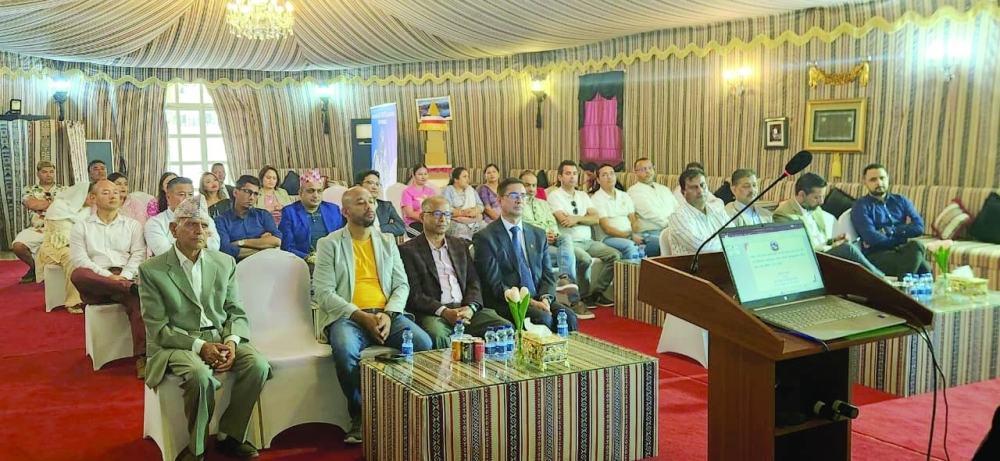
The Ministry of Commerce, Industry and Investment Promotion (MoCIIP), represented by the Competition and Monopoly Prevention Centre, held a specialised two-day workshop to review the construction materials sector in the Sultanate of Oman, in cooperation with the United Nations Economic and Social Commission for Western Asia (ESCWA).
The workshop brought together senior officials, experts and representatives from relevant government and regulatory entities to validate findings of an ongoing sector study and develop actionable recommendations to enhance market efficiency and competitiveness.
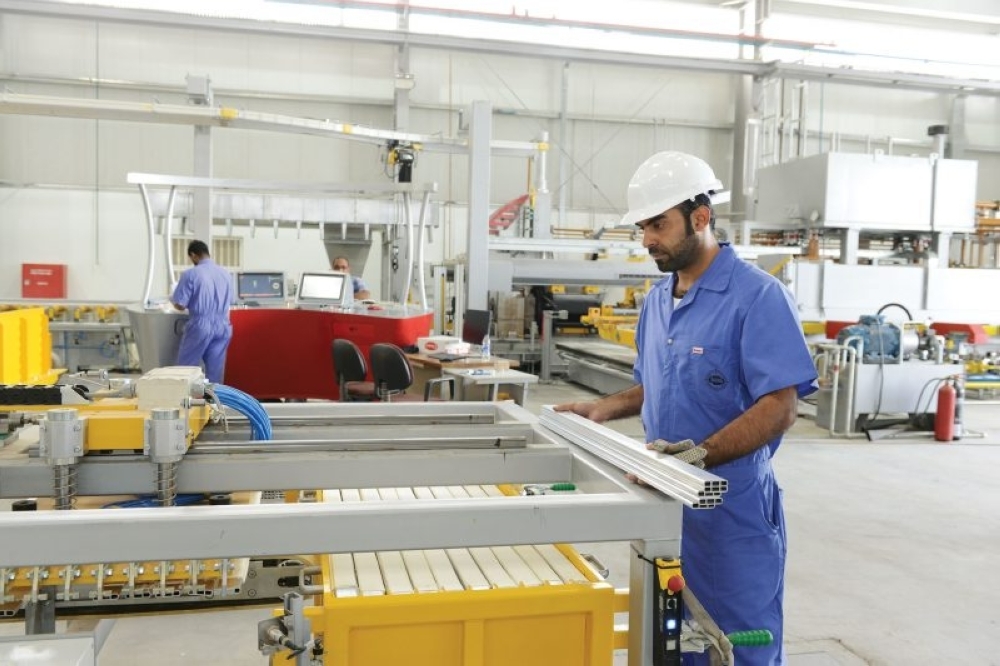
Preliminary findings indicate that the construction materials market in Oman ranges between $206 million and $300 million, with the architectural and decorative segment accounting for the largest share at 85 per cent. The cables and electrical wires segment also demonstrates strong manufacturing and export capabilities, with production exceeding 120,000 tonnes and exports reaching more than 50 countries.
Ahmed bin Salim al Rasbi, Director General of the Competition and Monopoly Prevention Centre at MoCIIP, said, “The workshop represents an advanced stage following the completion of the first phase of the comprehensive study, which focused on analysing market structure, competition dynamics and identifying challenges affecting sector efficiency”.
He added, “We are now moving into the stage of practical validation and formulation of recommendations through stakeholder engagement, ensuring that the outcomes are aligned with market realities”.
Al Rasbi noted that the cement and clinker market is valued at $465.5 million, with an expected annual growth rate of 4.8 per cent until 2029, while domestic iron and steel production reaches around 3 million tonnes annually, concentrated in the Suhar Industrial Complex.
Khalid bin Khamis al Masroori, Director of the Prohibited Practices Department, said, “Protecting the market from monopolistic practices and promoting fair competition are essential pillars for sustainable economic growth. The study aims to strengthen regulatory frameworks that ensure equal opportunities and support local production”.
He highlighted key competitive advantages of the sector, including integrated industrial complexes, energy availability and advanced port logistics services, alongside growth in the pipes and fittings segment driven by major gas and water infrastructure projects.
Zainab bint Ali al Rashdi, Head of the Competition Violations Department, said, “Sub-market analysis reveals promising investment opportunities. Efforts are ongoing to curb monopolistic practices and enforce regulations to ensure a fair competitive environment”.
She added that future directions include leveraging Omani ports, particularly Al Duqm, to develop a global green steel hub and expand low-clinker cement production, while enhancing local value addition and the Omani quality mark.
Nataly Khaled, Economic Affairs Officer and Project Coordinator at ESCWA, said, “This workshop comes at an advanced stage of a study initiated last year to assess the building materials market, evaluate competitiveness and analyse its impact on economic growth, particularly in the construction sector”.
She noted that global challenges, including geopolitical developments, energy price fluctuations and supply chain disruptions, underscore the need to strengthen the sector’s resilience.
“We are presenting preliminary findings covering regulatory, institutional and legal frameworks, alongside international benchmarking and competitiveness analysis of key materials such as cement, steel, ceramics and paints”, she added.
The workshop also reviewed investment opportunities arising from major urban expansion and strategic development projects in Oman, aligned with Oman Vision 2040. Demand is driven by large-scale initiatives, including smart cities such as Sultan Haitham City, as well as infrastructure development in ports, railways and renewable energy.
The workshop will conclude with the drafting of a final report outlining key findings and recommendations to enhance the investment environment and strengthen fair competition in the sector.
Oman Observer is now on the WhatsApp channel. Click here