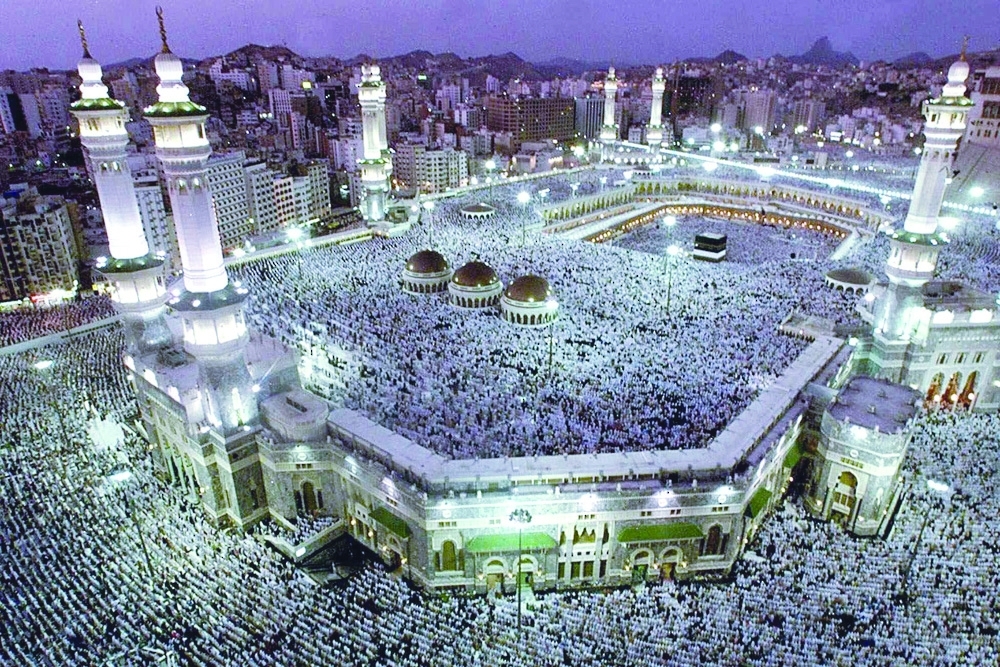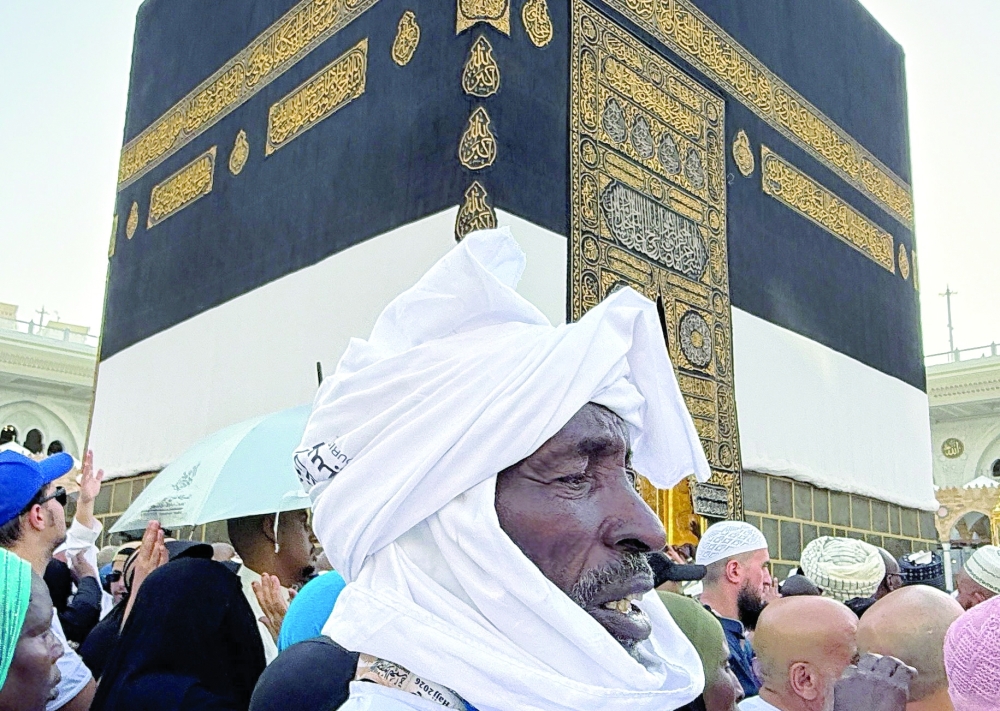





MECCA: Thousands of Muslims began to leave the holy city of Mecca on Friday after having completed the Haj pilgrimage in scorching heat and despite the shadow of war across the Middle East.
This year more than 1.7 million people from 165 countries took part in one of the world's largest religious gatherings, against the backdrop of the conflict sparked by strikes on Iran.
More than 30,000 Iranians made the journey to Mecca, about a third of the 86,000 originally expected. Iran's IRNA state news agency said the "wartime situation" explained the drop.
"I can't believe I completed the Haj", said Ahmed Mamdouh, a 37-year-old Egyptian who performed the pilgrimage for the first time.
Fighting back tears, he added: "I am very happy that I completed the rituals safely. Haj is truly exhausting, especially in such hot weather".
Algerian pilgrim Al Zaoui, 74, wrapped his arm around his wife and said, "It was our dream to perform the Haj together. Now that dream has come true after 50 years of marriage".
Climate change is gradually shrinking the times of year when the annual Haj pilgrimage can take place in safe weather conditions, according to a new study published on Friday.
The Haj, in western Saudi Arabia, is one of the world's largest religious gatherings, when hundreds of thousands of pilgrims are exposed to extreme heat. This year's gathering was again held in temperatures exceeding 40°C.
According to the study by the Britain-based group World Weather Attribution, temperatures recorded in May in Mecca "are now typical of summer in the 1980s as climate change shrinks the safe window" for the Haj.
The Haj's timing is governed by the Islamic lunar calendar and it moves back by about 11 days each year in the Gregorian calendar.
After taking place for several years during the hot season, this year's was at the end of May and in 2027 it is expected to take place in mid-May.
The timing will move gradually closer to winter, offering a temporary respite, but this will not be enough to offset the rise in temperatures, the researchers said.
Climate change "is extending the duration of extreme heat in Mecca into historically cooler months", the study said.
"Average temperatures above 32 degrees C — typical of summer between 1970 and 1990 — are now expected almost every year in May. Climate change has increased these averages by about 3.5 degrees C" since pre-industrial times, it said.
After more than 1,300 people died during the 2024 pilgrimage in searing temperatures of above 50°C, the Saudi authorities strengthened anti-heat measures, mainly through the massive use of air conditioning.
A study published in 2019 in the US journal Geophysical Research Letters said heat stress during the Haj could once again exceed the 'extreme danger threshold' between 2047 and 2052; and then between 2079 and 2086. — AFP
Oman Observer is now on the WhatsApp channel. Click here