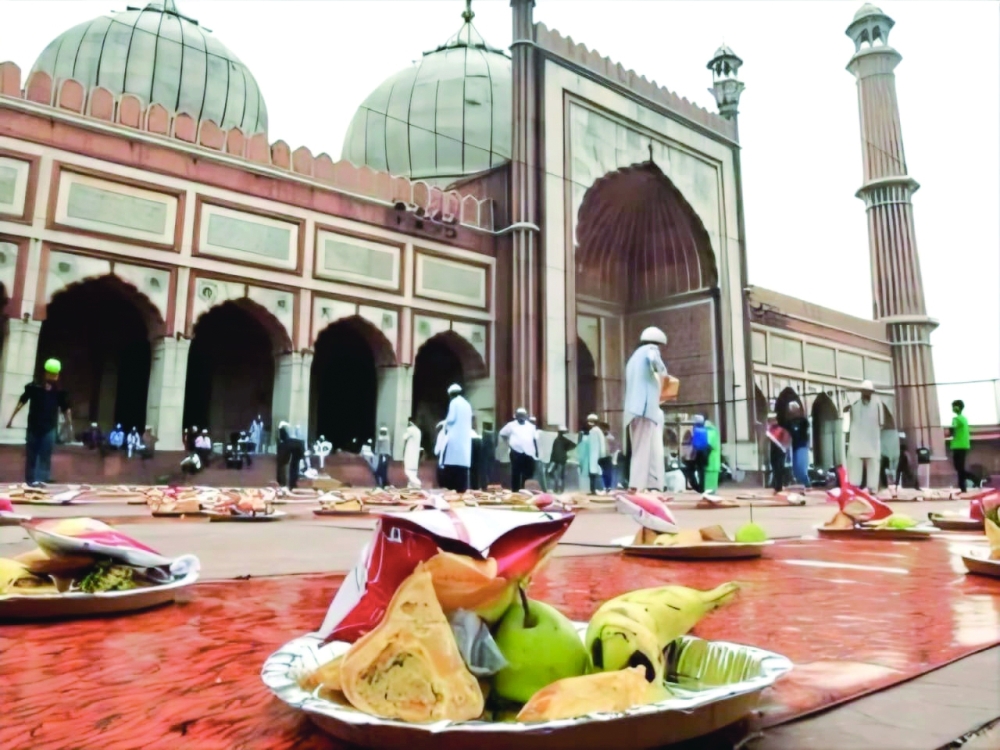






Ramadhan is often perceived as a month of physical restraint, yet its deeper cultural significance lies in emotional discipline. In Omani society, the holy month has long been associated with calmness, patience and a collective effort to soften daily interactions. As routines slow and priorities shift, Ramadhan offers an opportunity to examine how fasting reshapes anger, stress and emotional responses.
Traditionally, fasting in Oman is understood as a comprehensive moral exercise. Elders remind younger generations that it extends beyond abstaining from food and drink to include restraint of speech, behaviour and temperament. Emotional control is therefore central to the Ramadhan experience.
According to Dr Noora al Kharousi, a psychologist specialising in behavioural health, fasting increases emotional awareness. “Ramadhan interrupts automatic habits”, she explains. “When physical comfort is reduced, individuals become more conscious of their emotional triggers. This awareness is the first step towards regulating anger and managing stress”.
The early days of Ramadhan can test this ideal. Disrupted sleep, hunger and work pressures may heighten irritability. Traffic before iftar and workplace demands can expose vulnerabilities rather than conceal them. For many, however, this phase is temporary. As the body adjusts, emotional balance gradually emerges.
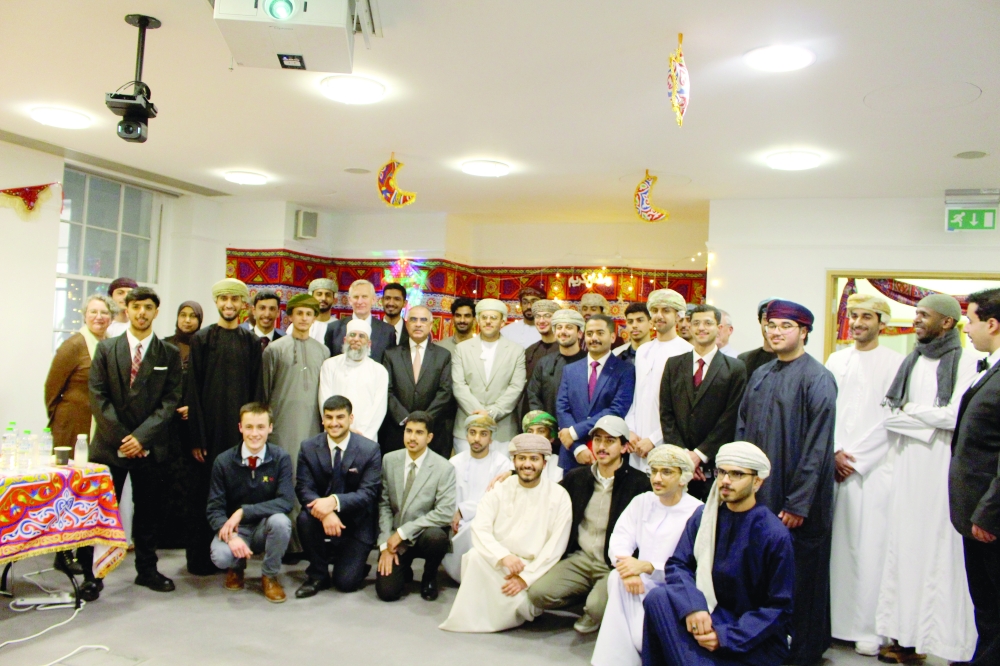
Culturally, Ramadhan creates a shared emotional environment. In Oman’s close knit communities, fasting is a collective experience that fosters empathy. There is an unspoken understanding that patience should prevail, as everyone navigates similar challenges. This shared condition reduces social friction and encourages tolerance.
Social worker Mariam al Ghailani highlights the importance of this collective shift. “Ramadhan reshapes social behaviour because it resets expectations”, she says. “The community becomes more forgiving, less confrontational and more aware of emotional boundaries. Anger is not normalised during this month; it is quietly discouraged”.
Structural changes also contribute to reduced stress. Shorter working hours, increased family gatherings and a slower pace of life ease daily pressures. Evenings are often dedicated to prayer and reflection rather than productivity, allowing space to decompress.
Worship practices further reinforce regulation. Regular prayers, Quran recitation and supplication provide moments of stillness that counter anxiety and frustration. In mosques across Oman, the rhythm of Taraweeh prayers creates a shared sense of release, where personal stress blends into communal devotion.
Yet modern challenges persist. While Ramadhan encourages inward focus, constant exposure to social media and digital news can reintroduce strain. Online debates, comparisons and information overload may undermine the calming influence of fasting.
Intergenerational perspectives reveal subtle differences. Older Omanis recall a simpler Ramadhan with fewer distractions, where calmness emerged naturally. Younger generations, facing academic, professional and digital pressures, may experience stress differently. Still, Ramadhan offers a shared framework for emotional recalibration across age groups.
Ultimately, Ramadhan’s influence on anger and stress lies in its ability to realign priorities. By promoting restraint, empathy and reflection, the month provides practical lessons in emotional mastery. Anger becomes something to observe rather than express and stress an invitation to slow down rather than react.
As Oman balances tradition and modernity, Ramadhan remains a cultural anchor, renewing faith while restoring emotional equilibrium. In a world defined by urgency and noise, the holy month quietly teaches that strength lies in patience and peace begins with control over one’s inner state.
Oman Observer is now on the WhatsApp channel. Click here