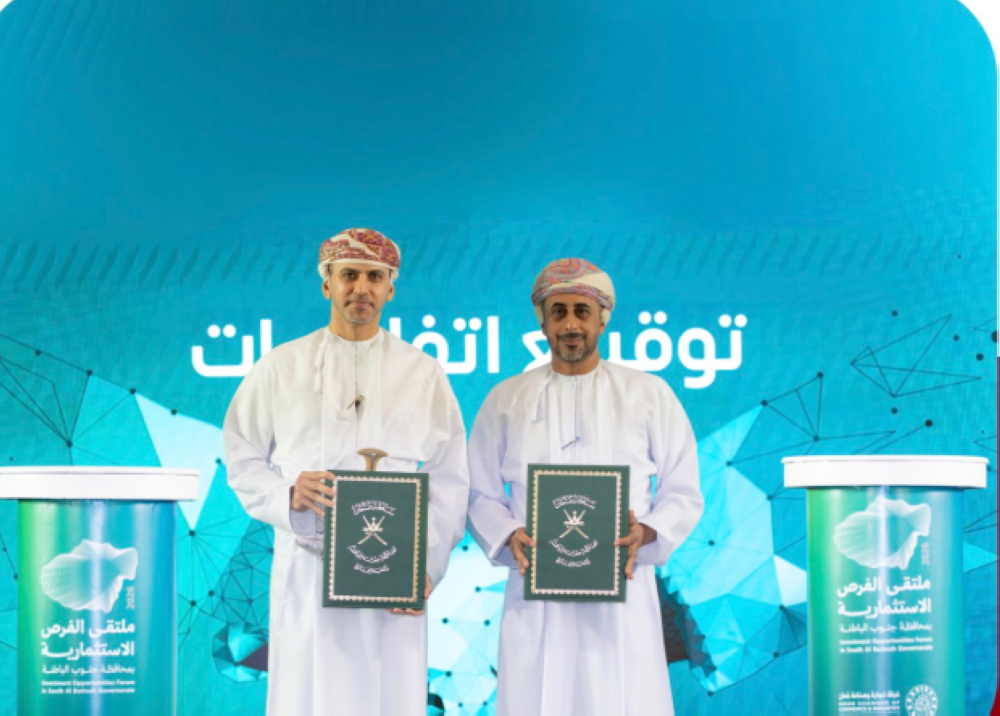





South Al Batinah Governorate and Mwasalat sign an agreement to develop an integrated public bus transport station in the Wilayat of Rustaq to develop a modern and sustainable public transport system.
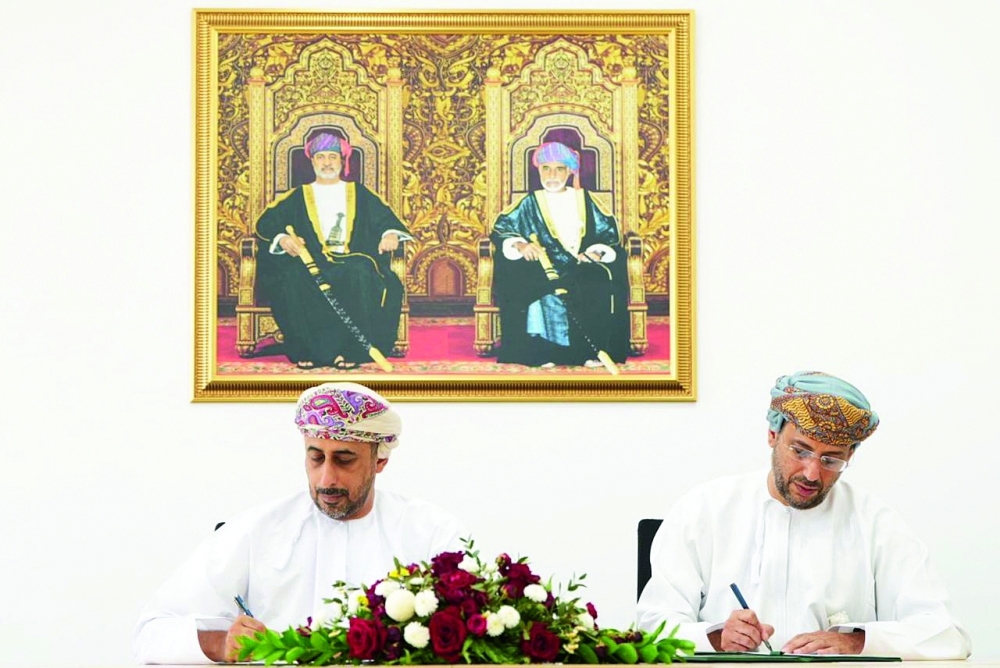
The agreement was signed on behalf of the South Al Batinah Governorate by Engineer Masoud bin Saeed al Hashmi, Governor of South Al Batinah, while it was signed on behalf of Mwasalat Company by Engineer Bader bin Mohammed al Nadabi, CEO of Mwasalat.
The agreement includes the development of a modern and integrated transport station within a commercial project to be built on a 66,000 square meter plot of land, in a strategic and vital location in the center of the state of Rustaq.
This project comes within the framework of the public transport strategy overseen by the Ministry of Transport, Communications and Information Technology (MTCIT, which enhances the integration of national efforts to develop the transport sector and achieve its objectives.
The bus station will include a comprehensive package of facilities and services, including a smart taxi station, facilities dedicated to micro mobility, modern and air-conditioned waiting halls, equipped operating stations for buses, in addition to offices for transport operators, various commercial spaces, supporting logistics facilities, as well as organized parking for cars and buses, which will contribute to improving the user experience, raising operational efficiency, and enhancing the sustainability of public transport services.
Oman Observer is now on the WhatsApp channel. Click here