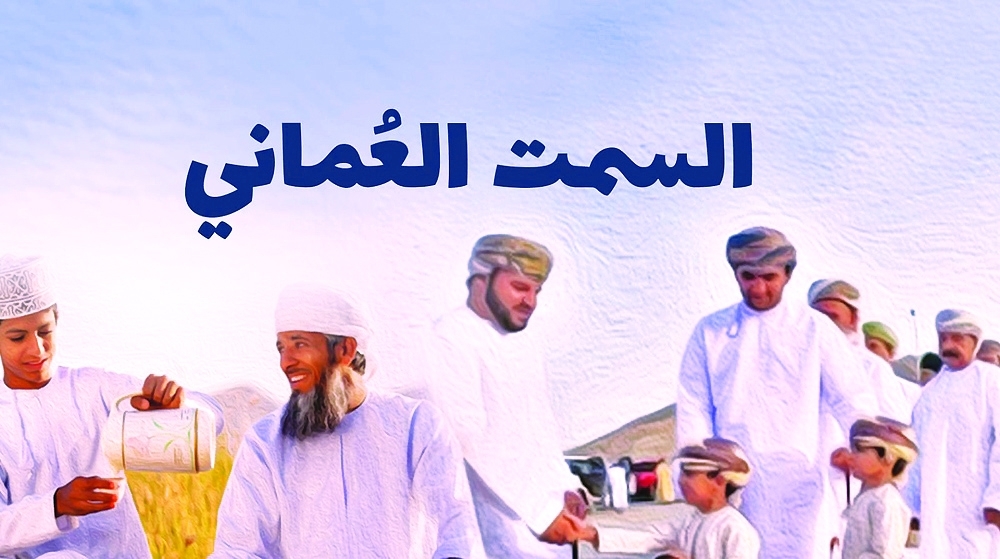





MUSCAT: The Omani character, a deeply rooted system of values, has long shaped the nation’s social identity and civilised image.
In an era of rapid social and digital transformations, experts stress the growing need to reinforce these values in daily life and online spaces to safeguard national identity for future generations.
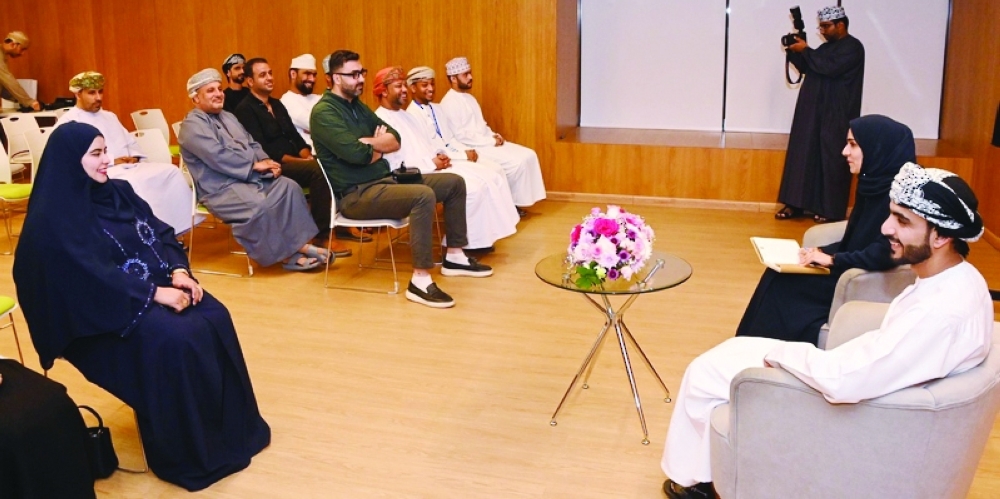
Specialists told ONA that consciously confronting the reality of Omani values and promoting their embodiment through practical models is essential to preserving these traditions among young people.
Younis bin Mohammed al Sabri, a trainer in manners and citizenship, described Omani manners as a comprehensive ethical and behavioural system, formed over centuries and grounded in Islamic and Arab heritage. “These values have shaped the Omani personality, regulated behaviour, and projected a civilised image of the homeland,” he said. He warned, however, that some traditional rules of conduct are visibly declining, particularly within family and social structures, with external symbols often replacing genuine practice.
“Good manners and etiquette, when correctly defined and actively practiced, become pillars young people aspire to uphold. But if ignored in daily life, no discourse, however well-crafted, will convince the next generation of their importance,” he added.
Al Sabri emphasised that a sincere commitment to these values strengthens social cohesion, economic stability, cultural richness and national resilience, while reflecting Oman’s historical depth abroad. He also noted that growing negative behaviours require conscious attention and responsible solutions rooted in authentic Omani values, coupled with regulation of digital content and events.
Dr Younis bin Jamil al Numani, Director of the Culture Sector Department at the Omani National Commission for Education, Culture and Science, highlighted the challenges posed by globalisation and digital technology. “Rapid intellectual changes influence young people’s ideas and behaviours, and some families are losing their role in consolidating customs related to gatherings, dress and conduct,” he said.
He called for stronger social integration and the active involvement of educational and cultural institutions in preserving identity through curricula, extracurricular activities and community initiatives.
Ghanima bint Sulaiman al Shukaili, a social guidance supervisor, affirmed that the family is the first school of values, and that alignment between home and school is crucial for fostering ethical behaviour. She emphasised that instilling values today requires daily experience rather than direct preaching, linking lessons to school life and modern tools such as digital content and interactive learning.
“Shifting from command-based language to approaches that promote self-confidence builds intrinsic motivation and transforms slogans into lived practices,” she noted.
Dr Ruqaya bint Hamid al Wahaibi, Head of the English Department at the Vocational College in Saham, said digital platforms can amplify both conflict and understanding. “A society rooted in respect can manage disputes with awareness and balance,” she explained, citing classroom exercises that trained students to summarise opposing viewpoints before responding.
She stressed that values must be ingrained through continuous practice and real-life initiatives, and that social media can positively document everyday behaviours to reinforce values more effectively than campaigns.
Dr Al Wahaibi added that building a balanced digital presence requires teaching fair dialogue, empowering young people to share experiences, and transforming everyday stories into a lasting digital legacy.
“The Omani presence online is an extension of our human identity and a testament to awareness and responsibility,” she said. —ONA
Oman Observer is now on the WhatsApp channel. Click here