




Ramadhan is the sacred month for Muslims, deeply intertwined with devotion and worship. Muslims surround themselves with an aura of spiritual purity and self-discipline through fasting, which involves not only abstaining from food and drink but also refraining from sinful deeds. The longing to welcome this blessed month begins with the sighting of the crescent moon, signalling the start of Ramadhan. With that declaration, for people living with diabetes, it is both a deeply spiritual moment and a source of medical uncertainty.
Ramadhan rituals and fasting cause changes in daily routines, eating patterns and medication schedules, which can place individuals with diabetes at real risk. Yet in Suhar Hospital, for more than a decade, a quiet but impactful healthcare initiative has been redefining what safe fasting looks like for people living with diabetes.
Since 2015, Suhar Hospital has been running a structured Ramadhan Diabetes Programme, bringing medical science and cultural and religious sensitivity together. Such initiatives stand as a nationally relevant model of best practice in Muslim-majority settings.
From Risk to Readiness: Preparing Patients Before Ramadhan
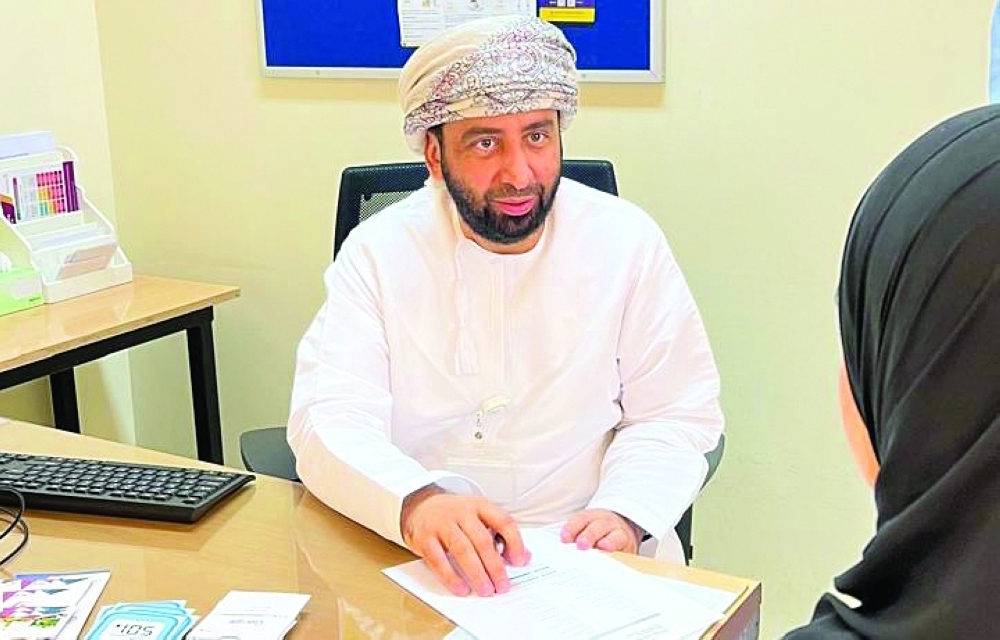
The programme is well-structured and starts early — six to eight weeks in advance, unlike traditional advice that is often given only days before Ramadhan. Before the beginning of each Ramadhan, patients with diabetes attending the hospital are assessed using the International Diabetes Federation — Diabetes and Ramadhan (IDF-DAR) risk stratification tool.
The programme does not issue blanket instructions prohibiting fasting but instead assesses and categorises patients into low-, moderate-, or high-risk groups and works with each individual accordingly, providing them with personalised Ramadhan care plans. Individuals deemed suitable to fast receive tailored education sessions that transform fasting from a risky personal decision into a medically guided process. These sessions include medication and insulin dose adjustments, meal planning and hydration strategies, self-monitoring of blood glucose and clear guidance on when and why the fast must be broken.
Care That Continues Beyond the Clinic
What makes Suhar Hospital’s programme stand apart from other similar programmes is how care continues after Ramadhan begins, handled through telemedicine — particularly WhatsApp. High-risk patients receive daily follow-ups, while low- and moderate-risk individuals are monitored weekly. Patients can also ask urgent questions and receive advice directly from the diabetes care team. Each year, the team responds to approximately 100–150 WhatsApp messages and inquiries.
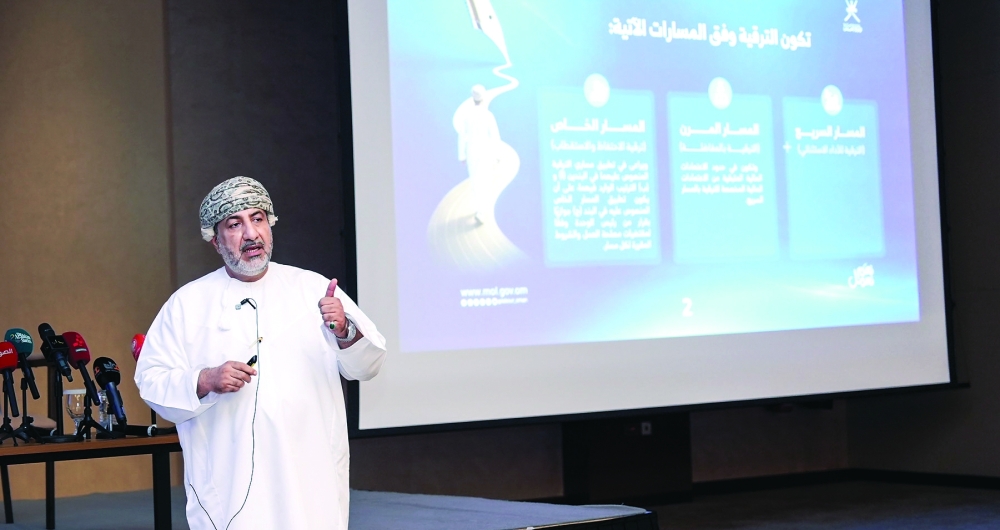
Dr Ali al Reesi, a senior consultant endocrinologist and programme leader, clarified that the initiative extends to include community awareness programmes. In addition, the care team provides structured broadcast messages, shares daily WhatsApp status updates, motivational messages and practical health advice related to diabetes management during Ramadhan fasting. “At times, we also host lectures on diabetes and fasting in local mosques”, Al Reesi explained, highlighting the programme’s extensive reach beyond clinic hours.
Medicine, Faith and Mutual Respect
This programme embraces cultural competence. The care team recognises that most patients do not view fasting during Ramadhan solely as a medical issue but as a deeply personal act of faith. The programme has succeeded in building trust rather than resistance by aligning medical recommendations with religious understanding.
After a decade, Suhar Hospital’s Ramadhan Diabetes Programme stands as more than a medical programme. It extends into an applicable, culturally attuned model for healthcare systems seeking to balance safety with spiritual commitment. Such programmes make fasting a journey of confidence, guided by science rather than fear.
Oman Observer is now on the WhatsApp channel. Click here