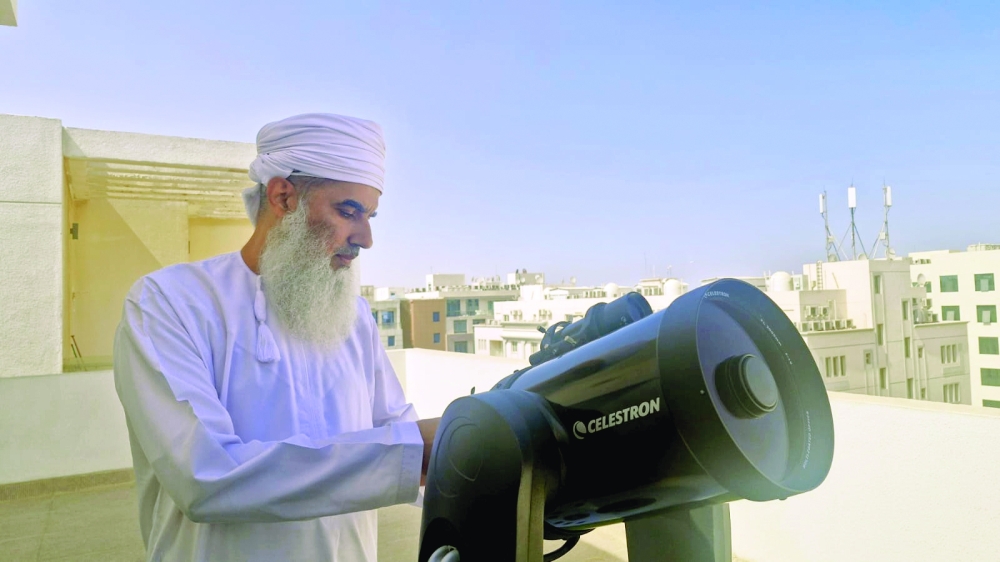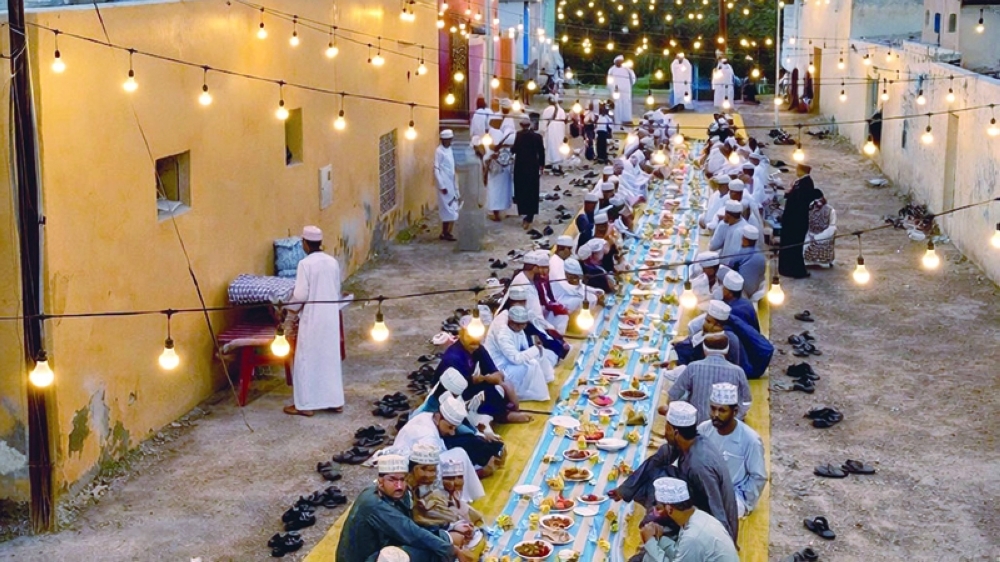





In Oman, iftar has long been the emotional centre of Ramadhan. It is the pause at the end of a long day of fasting, the quiet sip of water, the first date, the gathering of family around a table that has held generations of memory. Traditionally, it unfolded at home, intimate and deeply rooted in custom.
In recent years, however, the setting has gently evolved. While the essence of iftar remains anchored in togetherness, families and friends are increasingly intentional about where they break their fast. Across social media, the shift is visible: picnic blankets along the shoreline just before sunset, thermoses and dates against mountain backdrops, gatherings in parks beneath decorative lights, or small groups perched on scenic viewpoints waiting for the sky to soften into dusk.
This evolution does not signal a departure from tradition; rather, it reflects an expansion of it. Oman, shaped by sea, mountain and desert, has people deeply connected to the landscape. Mountains, in particular, offer cool comfort and dramatic scenery, while beaches provide a social, festive atmosphere with waves replacing traffic hums. Public parks offer an accessible middle ground, where children can play freely as families share soup, rice and traditional dishes on picnic mats.
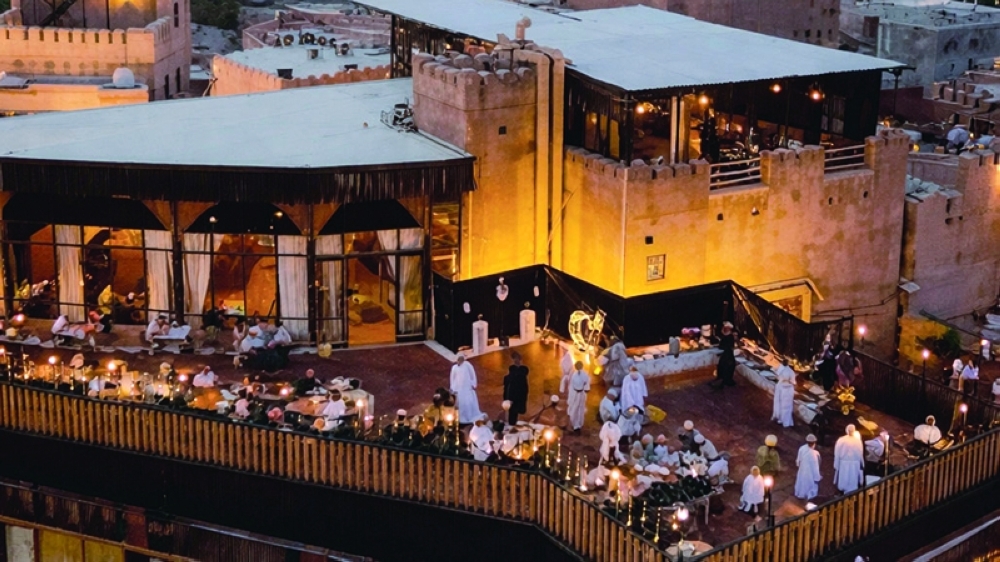
From an expatriate perspective, the shift is striking. Creative settings add new dimensions to the month, showing that tradition here is adaptable, capable of embracing contemporary life while preserving spiritual depth. The outdoors becomes part of the ritual itself. Social media has accelerated the trend: images of iftar in scenic locations inspire others, influencers host desert set-ups, hospitality venues curate beachfront suhoor experiences and families document mountain gatherings with pride. Yet beneath the aesthetics, the core remains: simple food, moments of prayer and reflection.
Many Omanis note that outdoor iftar sharpens gratitude. Watching the sun dip below the horizon amidst natural beauty reinforces the reflective nature of the month. It also creates shared memories beyond the home and fits seamlessly into Oman’s lively evenings, where post-iftar social gatherings along parks and corniches are longstanding.
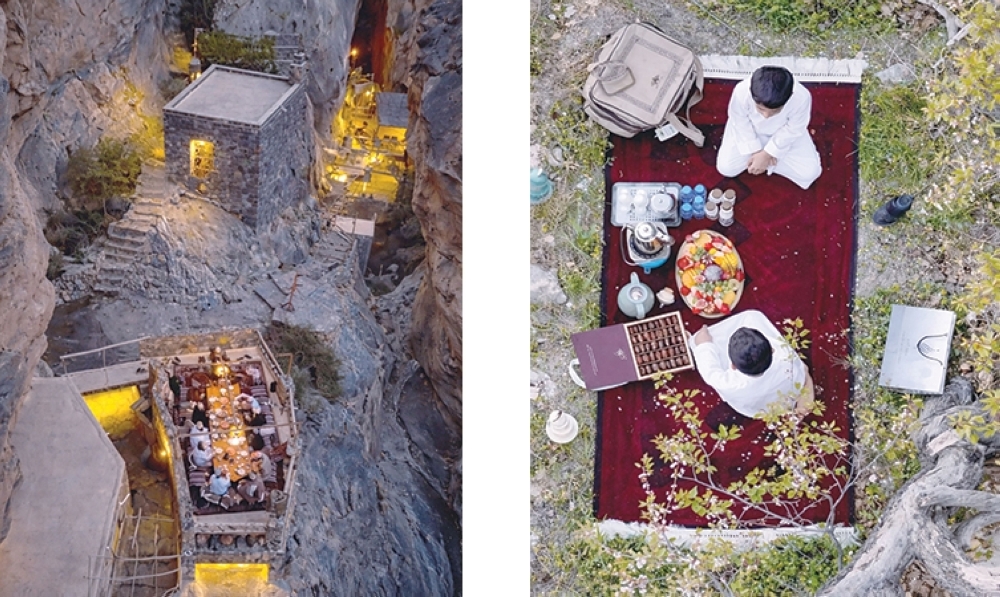
Home iftar remains the anchor. The family table continues to hold primacy, especially during the first days and significant nights. Scenic iftars complement rather than replace it, often occurring on weekends or special evenings to add variety without diminishing tradition.
What emerges is a portrait of a society that honours its roots while embracing subtle reinvention. Ramadhan in Oman still invites stillness; gathering on a mountain ledge, beside a shoreline, or in a park can deepen it. The landscape widens the physical horizon, while the ritual continues to centre the spiritual one. For expatriates, it offers a vivid insight into how Ramadhan is lived here: not as a fixed script, but as a living, reflective and communal practice where the sky itself increasingly becomes part of the table.
Oman Observer is now on the WhatsApp channel. Click here