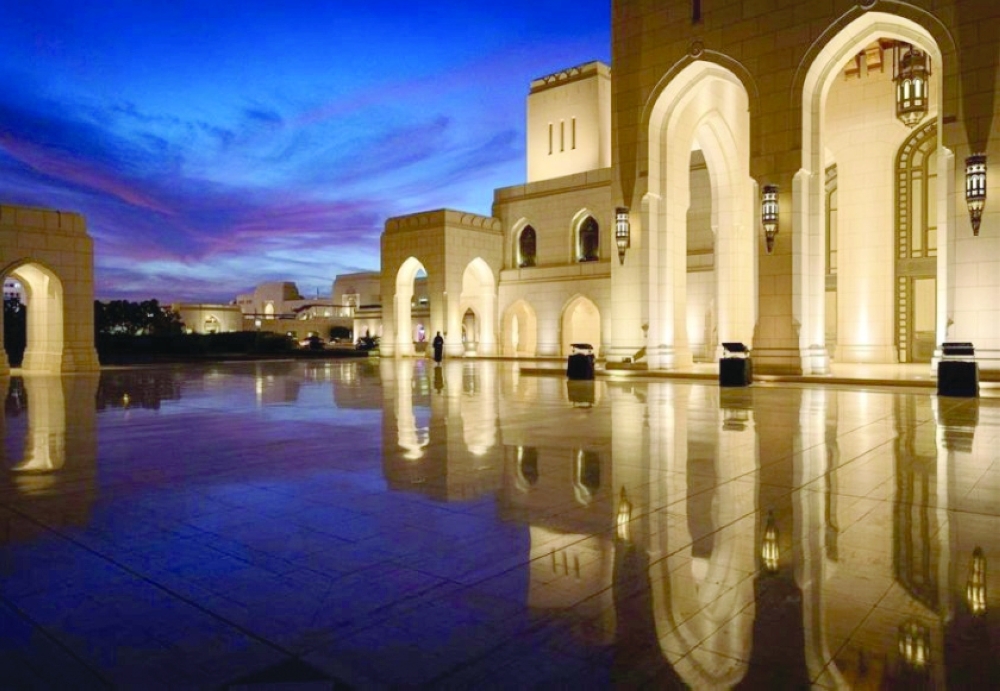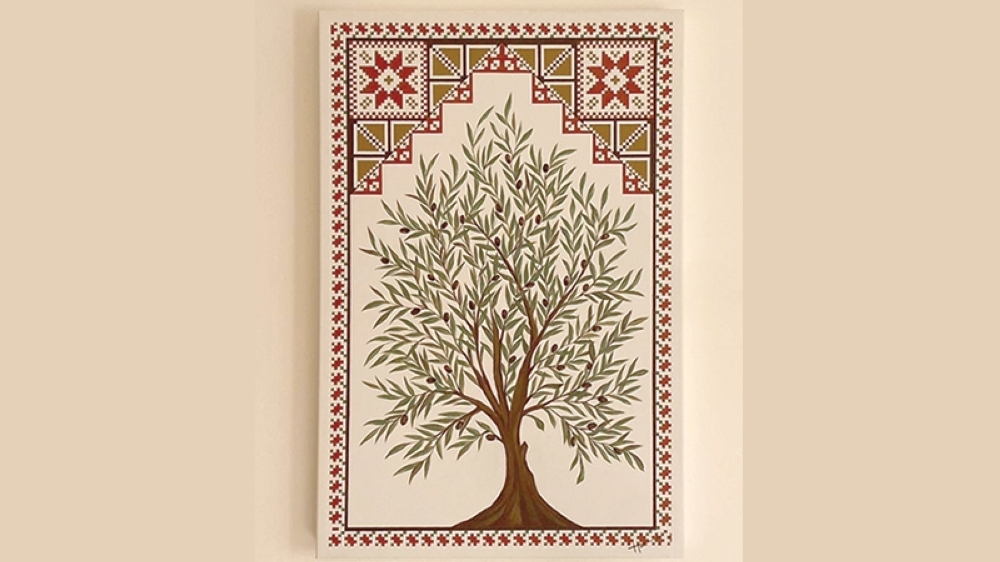





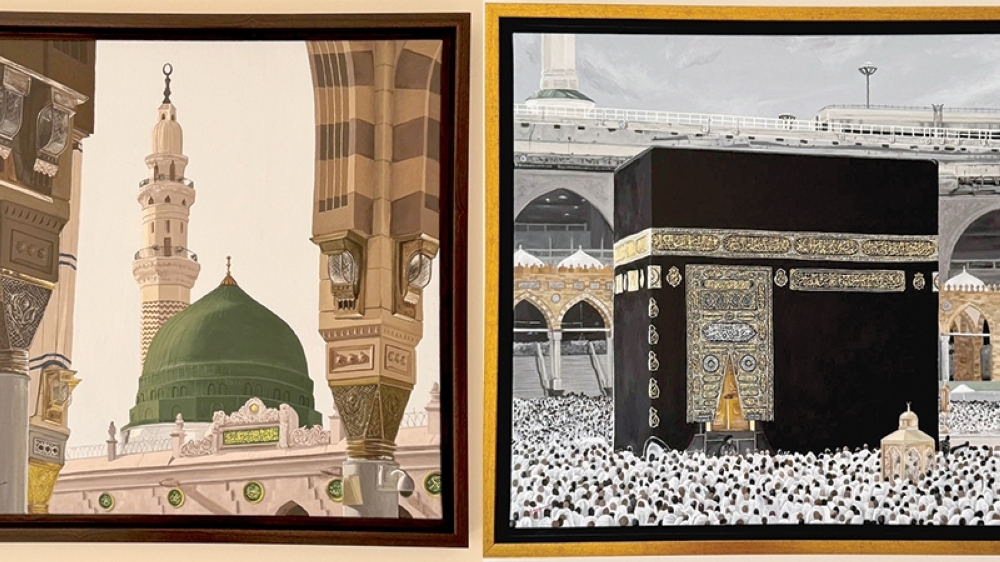
At first glance, Hiba al Yahmadi’s paintings feel anchored, grounded in arches, shadows and geometry that echo Islamic architecture. But behind that sense of visual certainty is a journey shaped by curiosity, discipline hard-earned and a deep belief that art is meant to be shared.
Hiba’s relationship with art began so early that its starting point has blurred with memory. What remains clear, however, is her mother’s role in recognising and nurturing that spark. During her primary school years, her childhood drawings stood out enough for her mother to take a decisive step and enroll her in the studio of a professional artist. It was there that Hiba’s talent found structure and her free time transformed into a space for intentional growth rather than idle distraction. Art, from the beginning, was not a hobby, it was something to be built carefully.
That foundation expanded significantly when Hiba chose to study art academically at Sultan Qaboos University. The experience marked a turning point. After years of experimenting across styles without a clear destination, formal study helped her define her artistic direction. Just as importantly, it brought her into close contact with Oman’s art community. Workshops, collaborations and encounters with established artists sharpened her awareness of where she stood and where she wanted to go.
Technically, the intensity of academic training accelerated her development. Moving between painting, drawing, printmaking, sculpture and other disciplines strengthened her versatility and efficiency. Over time, she learned to complete artworks to a high standard within limited timeframes, whether for personal expression or university assignments. Emotionally, her connection to art deepened. Museums and exhibitions became spaces of contemplation rather than observation, places where she could sense the psychological and philosophical layers behind each work. She admits that purely functional, aesthetically barren spaces now leave her uneasy.
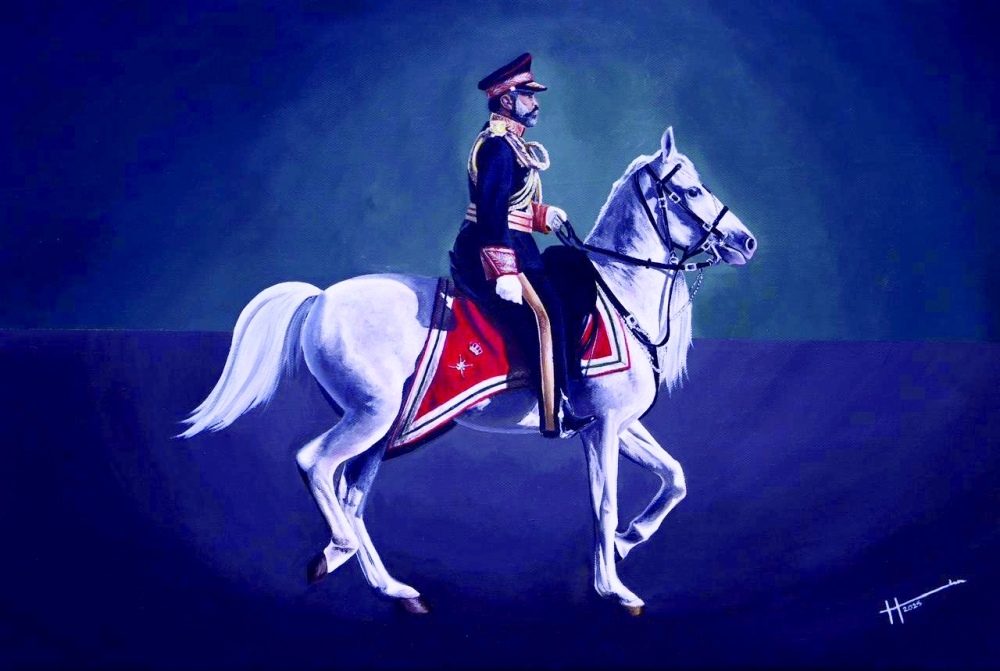
Today, Hiba’s work leans towards contemporary realism, with a strong thematic focus on Islamic architecture, particularly its Omani expressions. This sense of artistic stability is relatively recent, emerging after years of exploration during her studies. Still, she allows herself moments of departure. A scene that stirs her emotionally or the striking beauty of horses during a visit to the stables can pull her briefly away from architectural forms and into more instinctive subjects.
Central to Hiba’s practice is her openness with people. She believes art is one of the most honest ways to connect, which is why she shares not only her successes but also her struggles and creative processes. The feedback she receives from diverse audiences fuels her motivation and strengthens her confidence, helping her better understand her place within the artistic landscape.
Discipline, however, did not come easily. For a long time, she found herself producing work only under pressure. Searching for a solution, she encountered an idea that reshaped her routine while reading Atomic Habits by James Clear. If habits build identity, she realised, then becoming an artist meant practicing art daily. Inspired by online creative challenges, she committed to consistency and the results followed. Discipline became lighter and creativity more accessible.
Like all artists, she faces days of creative heaviness. On such days, she lowers expectations rather than abandoning practice altogether. Instead of working on a large piece, she turns to simple sketches in her sketchbook, small acts that preserve momentum and keep the artistic connection alive.
While social media plays an important role in her career, Hiba refuses to let content creation overshadow expressive work. She shares selectively, posting when conditions allow, or sometimes keeping pieces private and revealing only the final result. Still, she views platforms like Instagram as modern galleries and living portfolios that have connected her with fellow artists and opened doors to exhibitions and cultural events.
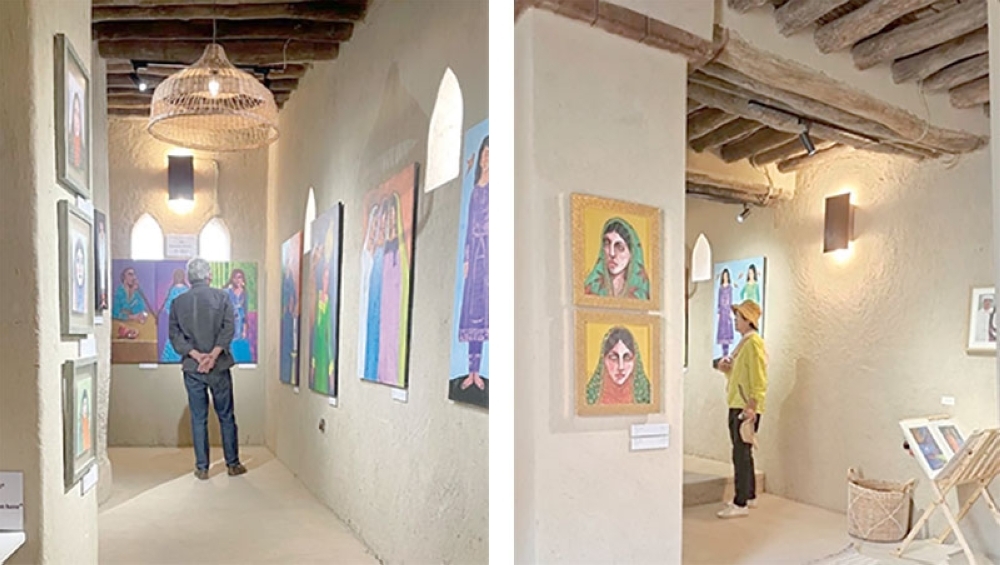
Despite this digital reach, physical exhibitions remain her preferred way of sharing art. Witnessing audiences engage with her work in person creates a feeling she describes as unmatched. Whether visitors arrive specifically to see her work or encounter it for the first time, their reactions affirm the value and emotional impact of what she creates.
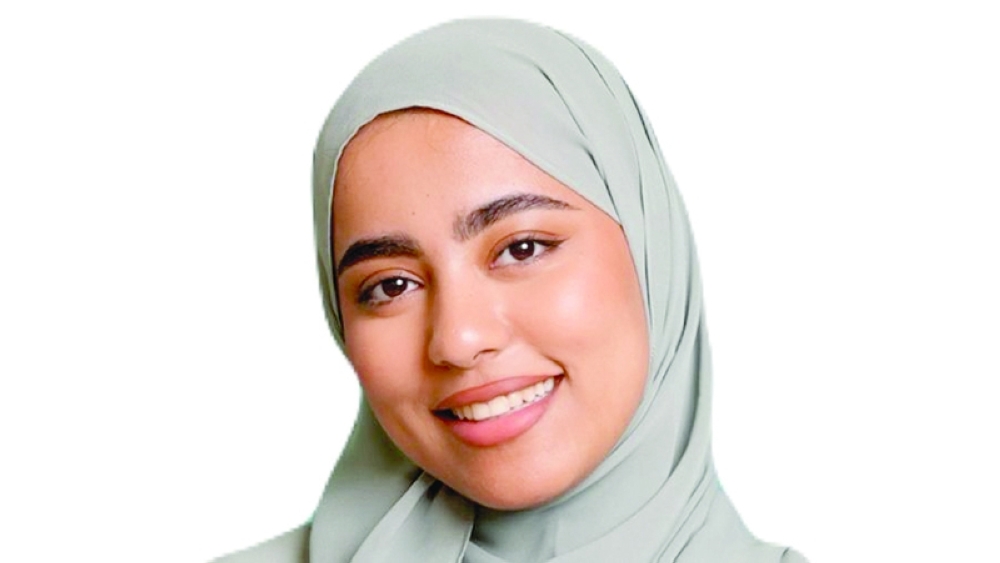
Deeply rooted in Islamic culture, Hiba sees her heritage not as limitation but as an endless source of inspiration. She has little interest in producing work detached from her identity, believing that culture gives her art meaning and direction.
Balancing the demands of studying art education presents its own challenges. The programme prepares her both as a visual artist and as a future art teacher, requiring discipline, time management and perseverance. While demanding, this dual path aligns with her ambitions.
Looking ahead, Hiba envisions a future filled with impactful works that resonate locally and globally. Art, she believes, will remain her lifelong companion, something to create, share and teach. To keep art unseen, she says, would be the greatest loss of all.
Oman Observer is now on the WhatsApp channel. Click here