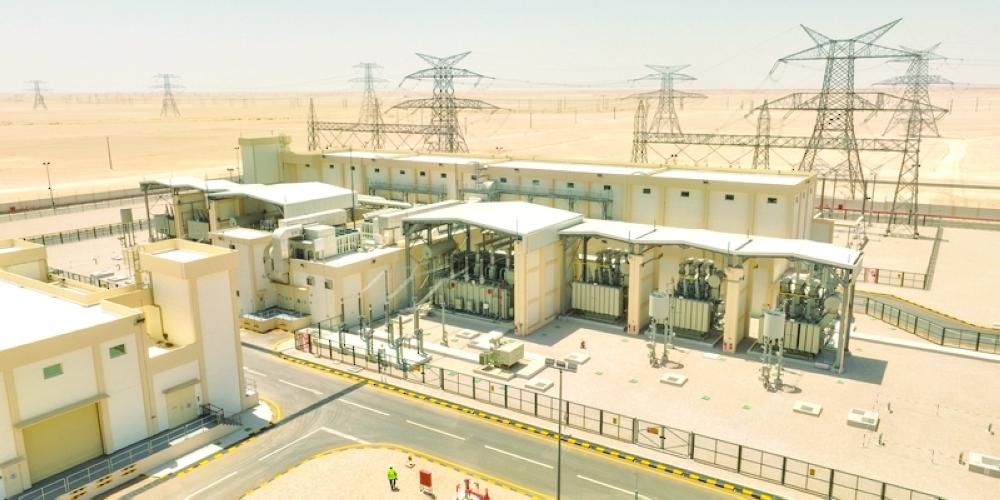





MUSCAT: Electricity production in the Sultanate of Oman rose by 5 per cent by the end of November 2025, reflecting steady growth in power generation alongside evolving demand patterns across the country, according to official electricity sector data.
Total electricity output reached around 48,357.2 gigawatt-hours (GWh) during the first eleven months of 2025, compared with 46,063.5 GWh recorded over the same period in 2024. Net electricity production also posted a solid increase, rising by 4.3 per cent year-on-year to 46,984 GWh, up from 45,044.8 GWh in the corresponding period last year.
At the governorate level, electricity generation remained concentrated in key industrial and population centres. The Al Batinah North, Al Batinah South and Al Dhahirah Governorates collectively accounted for the largest share of net electricity production, totalling about 27,980.8 GWh. This was followed by Al Sharqiyah North and Al Sharqiyah South Governorates, which together generated approximately 9,975.9 GWh. Dhofar Governorate ranked next with net production of 4,907.8 GWh.
In contrast, Muscat Governorate recorded a notable decline, with net electricity production falling by 17.6 per cent compared to the same period in 2024, underscoring shifts in generation patterns and grid dynamics.
Meanwhile, the water sector showed a slight contraction. Total water production reached about 466.5 million cubic metres by the end of November 2025, marking a 2.2 per cent decrease from 476.9 million cubic metres produced during the same period last year.
Muscat Governorate remained the largest contributor to water production, accounting for around 187.2 million cubic metres, followed by Dhofar Governorate with 69.8 million cubic metres. The remaining governorates collectively produced approximately 209.5 million cubic metres, according to the data. — ONA
Oman Observer is now on the WhatsApp channel. Click here