




At Rozna Restaurant, the scent of coconut, spices and slow-simmered ambition filled the air as the sixth edition of the Chef Oman Competition 2025 advanced into its decisive second round. What unfolded was more than a cooking contest, it was a live dialogue between heritage and innovation, tradition and bold imagination.
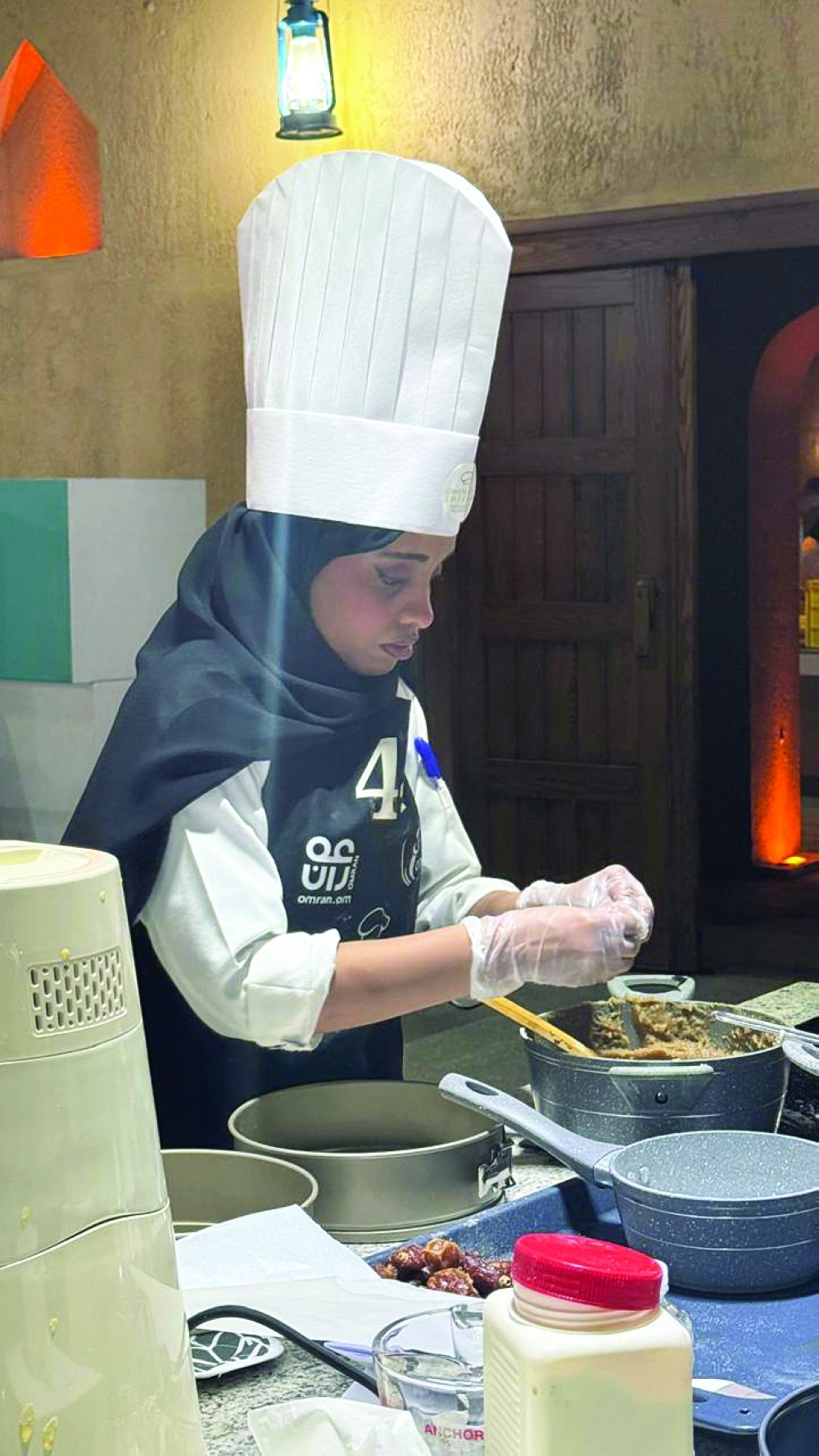
Round Two brought together 32 qualified chefs, divided into teams of two, each navigating a high-pressure culinary challenge designed to test collaboration, creativity and technical skill. By random draw, every team was assigned a “star ingredient” that had to appear in every dish. Coconut, for example, transformed from a familiar flavour into a canvas for reinvention. Each team produced four dishes, resulting in 64 plates that reimagined Omani cuisine through a global lens.
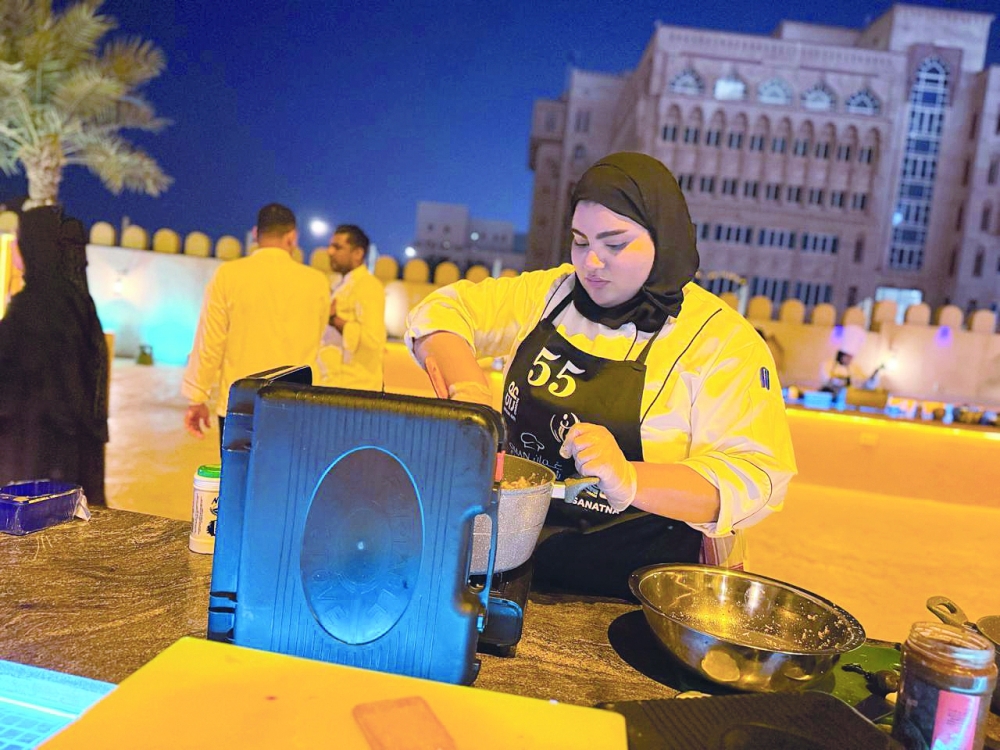
“The core idea of the competition is innovation within Omani cuisine”, explained Jinad al Balushi, Leader of Chef Oman 2025. “We want to show how Omani flavours can travel beyond borders without losing their identity”.
That philosophy was evident in every detail, from tacos inspired by shuwa to unexpected combinations that mirrored today’s global food trends. Al Balushi pointed out that modern diners are increasingly open to experimentation. “If people can accept a lotus-flavoured burger, why not imagine shuwa or rakhal bread becoming global dishes?” she said. “Omani cuisine deserves to be introduced to the world”.
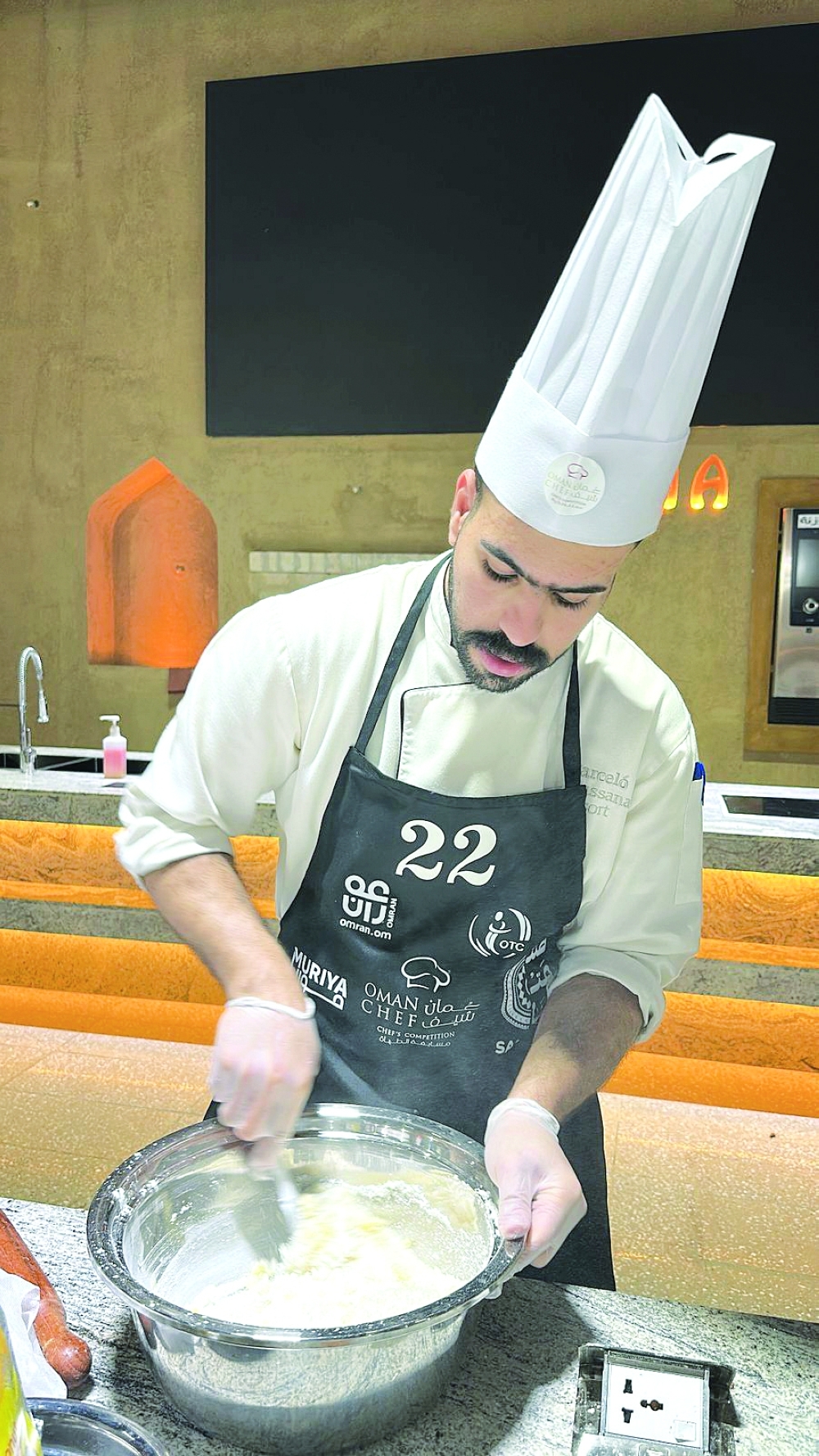
A defining feature of this round was the emphasis on local sourcing. Nearly all ingredients used were Omani, from eggs supplied by Al Dana, to meat from Muscat Livestock, poultry from Al Safa and produce sourced from Omani markets. Even dairy products such as milk, oil and cheese were locally produced. Some spices, not grown in Oman, were thoughtfully introduced to complement rather than overpower the native flavours.
“This kitchen today represents Oman”, Al Balushi said proudly. “Most of what you taste here is made in Oman”.
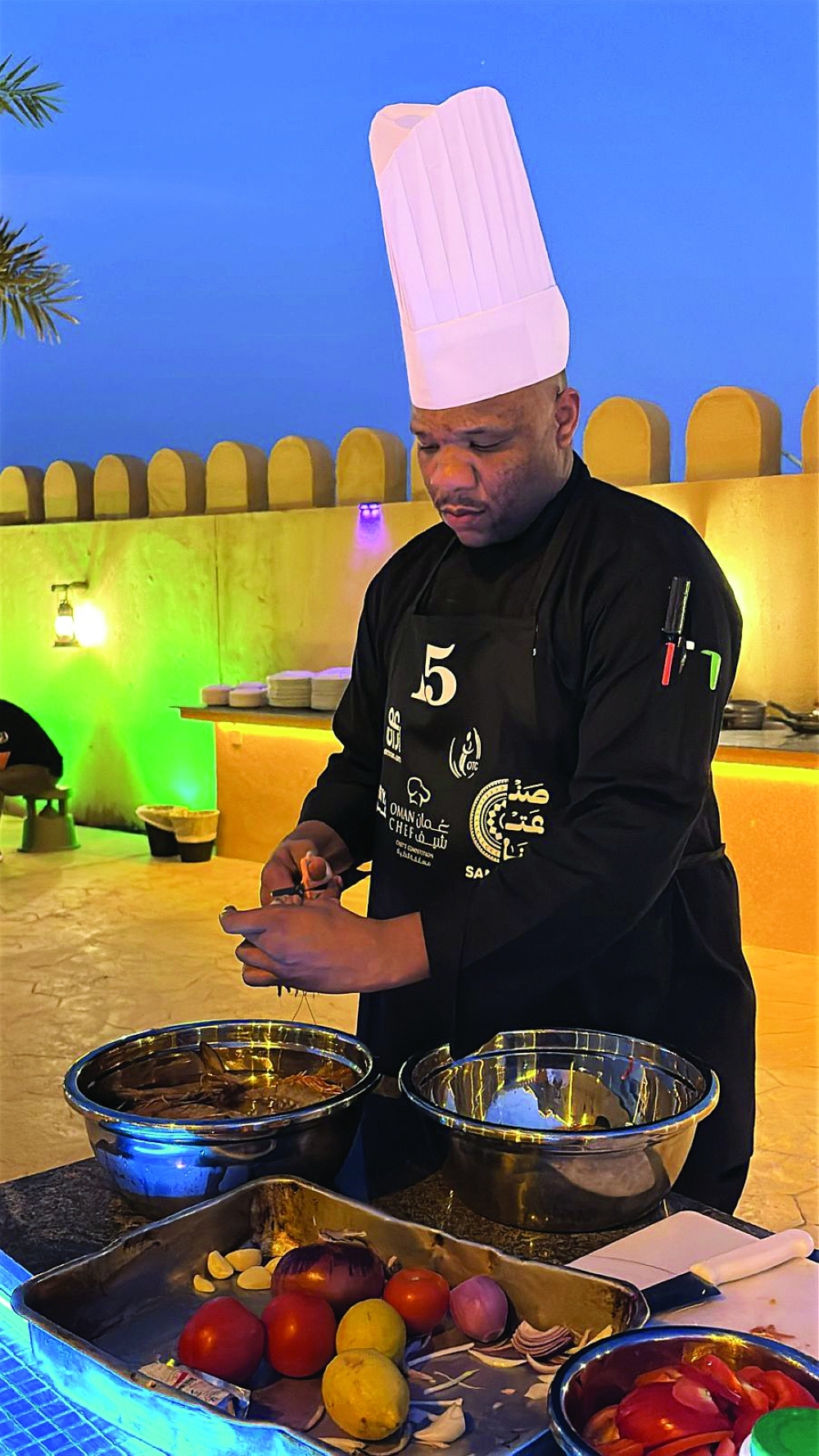
The competition’s structure ensured intensity and fairness. Winning teams qualified in full for the final stage, while selected individuals from other teams filled the remaining slots, resulting in eight chefs advancing to Round Three. These finalists will compete individually on December 27, 2025 at Oman Tourism College, preparing a full three-course menu. The journey will culminate in the awards ceremony on January 14, 2026, hosted in collaboration with Muriya.
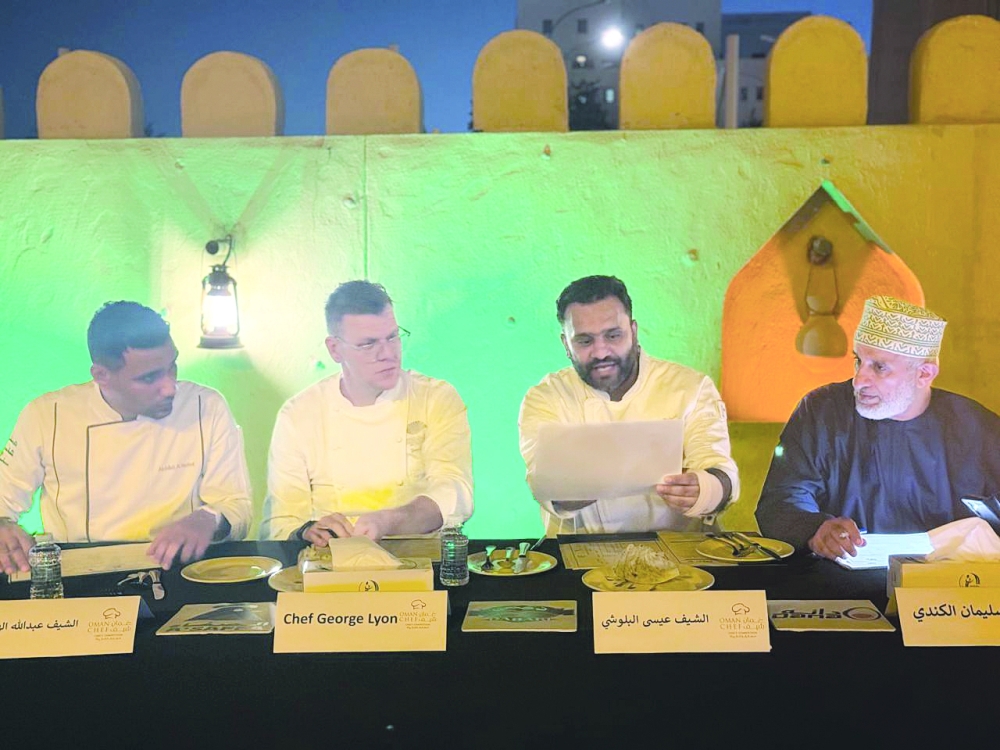
Presiding over the judging panel was Chef Issa bin Abdullah al Hashmi, Senior Executive Chef at Oman Air and a long-standing pillar of the competition. For him, Chef Oman is deeply personal.
“The name itself carries responsibility”, he said. “Chef and Oman, my profession and my country. Our role is to elevate both”.
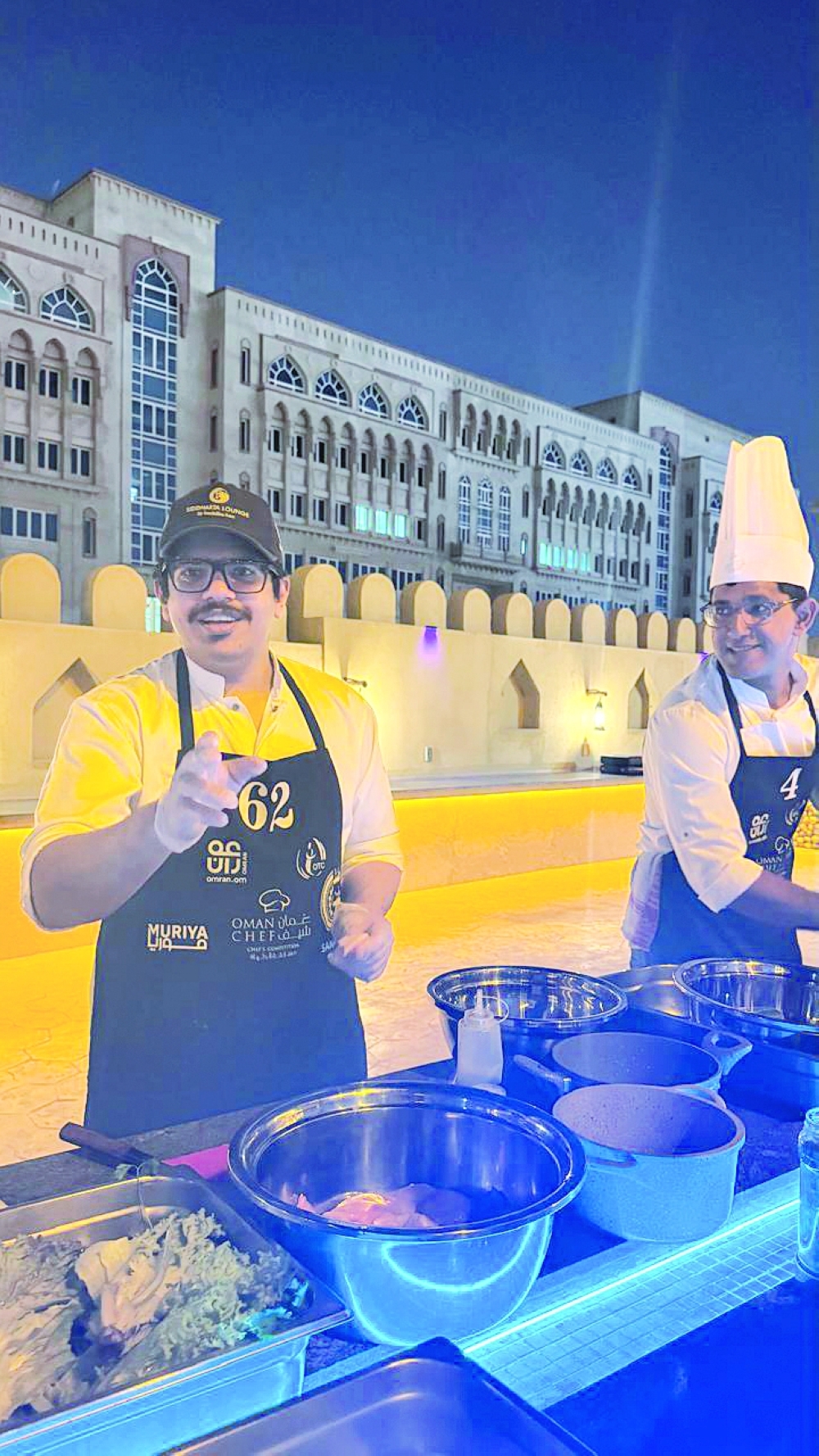
Al Hashmi noted a remarkable leap in quality this year. “The competition was incredibly tight. The differences between contestants were minimal, which made judging difficult. But it also shows how much the Omani chef has evolved”.
What impressed him most was the balance between authenticity and modern presentation. “Our cuisine is traditional and deeply rooted, but that doesn’t mean it cannot evolve. The chefs managed to preserve the soul of Omani food while presenting it in a contemporary, global style”.
Beyond the competition, Chef Oman has become a catalyst for real change. Past winners have received promotions immediately after their victories, some in front of their managers during the closing ceremony. Others have integrated Omani dishes into international hotel menus, subtly introducing local flavours to global guests.
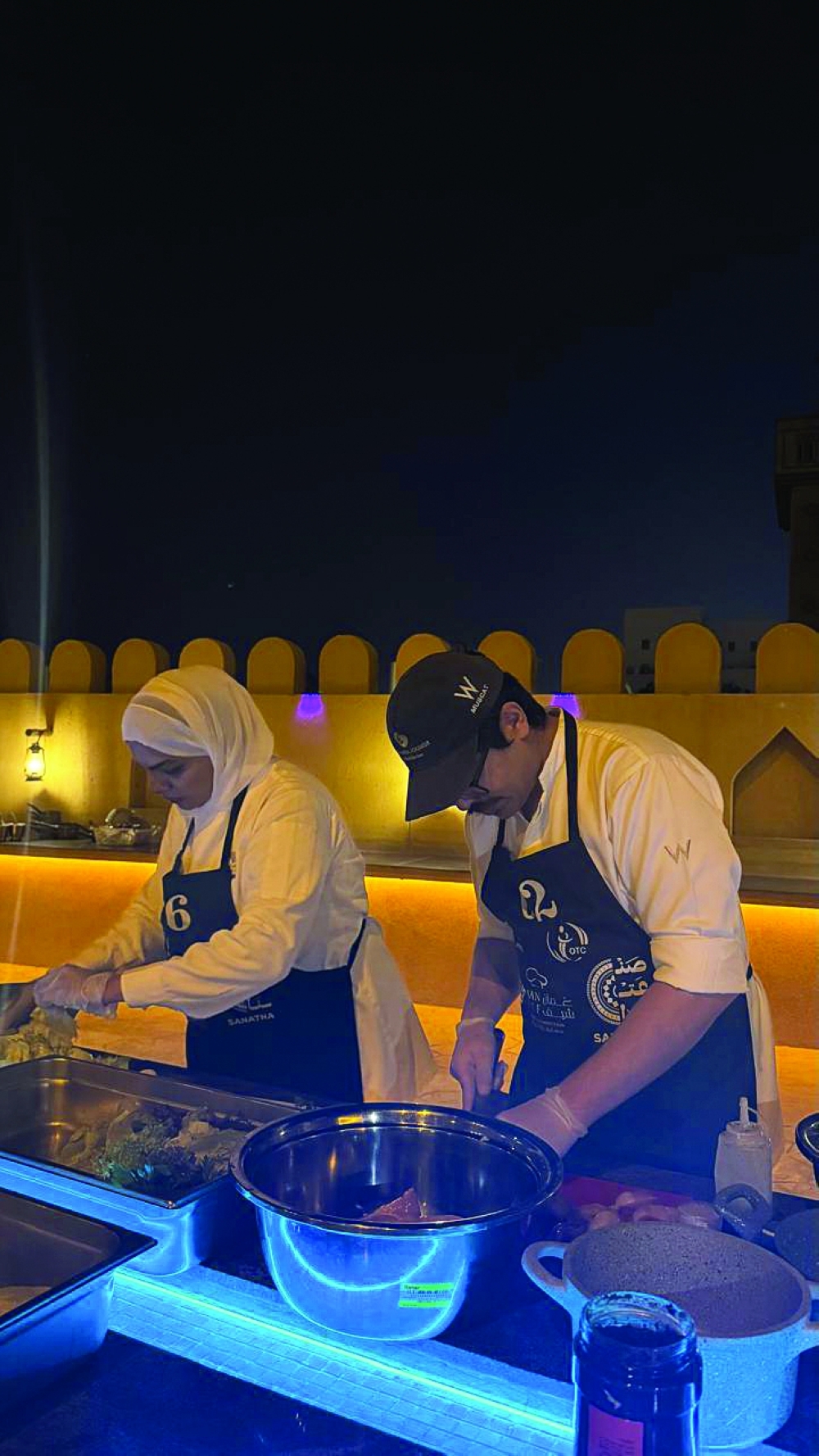
The impact is also visible in education. Interest in culinary careers has surged, especially among youth. According to organisers, over 60 per cent of participants this year were women, a reflection of growing confidence and opportunity within the field. Young men, too, are increasingly entering professional kitchens, with graduates securing positions in luxury hotels such as The St Regis.
For competitor Chef Kalthoum bint Abdullah al Maamariyah, Round Two was both exciting and demanding. “The challenge was beautiful but difficult”, she said. “The judges surprised us and we had to adapt quickly. I loved the Omani theme. We created things we had never done before and met inspiring people along the way”.
Ultimately, Chef Oman is not driven by profit, but purpose. Supported by Omran Group and the Ministry of Heritage and Tourism, alongside initiatives such as Sanatna and Food Security, the competition aims to leave a lasting imprint on society.
“Our goal is awareness”, Al Balushi emphasised. “To show that cooking is a strong, respected profession, one that can reach the world”.
As the competition moves toward its final round, one message is clear: Omani cuisine is no longer waiting to be discovered. It is stepping forward, confidently plated, ready for the global table.
Oman Observer is now on the WhatsApp channel. Click here