




More air travelers are managing every stage of their journey using smartphones with the launch of biometrics and digital identity for seamless airport processing.
Middle East passengers, however, favor airports with strong service reputations and their preferred airlines. They are highly digitally engaged, with widespread use of digital wallets and strong enthusiasm for smartphone-based travel credentials. They are among the most satisfied travelers globally, ranking third overall. Loyalty and service quality remain top priorities in this region, according to the International Air Transport Association's (IATA) 2025 Global Passenger Survey (GPS).
“Passengers want to manage their travel the same way they manage many other aspects of their lives—on their smartphones and using digital ID. As experience grows with digital processes from booking to baggage claim, the message that travelers are sending in this year’s GPS is clear: they like it, and they want more of it. There is an important caveat, which is the need to continue building trust, so cybersecurity remains a priority. Cybersecurity must be core to the end-to-end digital transformation of how we book, pay, and experience air travel,” said Nick Careen, IATA’s Senior Vice President Operations, Safety and Security.
The GPS confirms that mobile devices have become central to the passenger journey. Travelers are increasingly using their smartphones to book flights, manage payments and loyalty programs, and handle check-in, immigration, boarding, and baggage processes. Enthusiasm for mobile-enabled travel is higher than ever.
Booking and payment habits are shifting toward mobile channels. Over half of travelers (54%) want to deal directly with airlines, and they are doing that increasingly with mobile apps. Airline websites remained the most popular booking preference at 31%, but this was down from 37% in 2024. In 2025, web apps were the preferred choice for 19% of travelers, trending upwards from the 16% in 2024. This move was led by younger travelers (25%), which is an indication that the trend of shifting to mobile options is likely to strengthen over time.
Payment preferences are also evolving. While credit and debit cards remain dominant (72 percent), this marks a significant drop from 2024 (79 percent).
Digital wallet use has increased significantly (from 20 percent in 2024 to 28 percent in 2025), and instant payment methods, such as IATA Pay, have also grown (from 6 percent in 2024 to 8 percent in 2025).
Passengers want their smartphones to do more for them: 78 percent of passengers want to use a smartphone that combines a digital wallet, digital passport, and loyalty cards to book, pay, and navigate airport processes. Use of electronic bag tags is also on the rise, increasing from 28 percent in 2024 to 35 percent in 2025, allowing passengers to generate their bag tags directly from a mobile device during check-in.
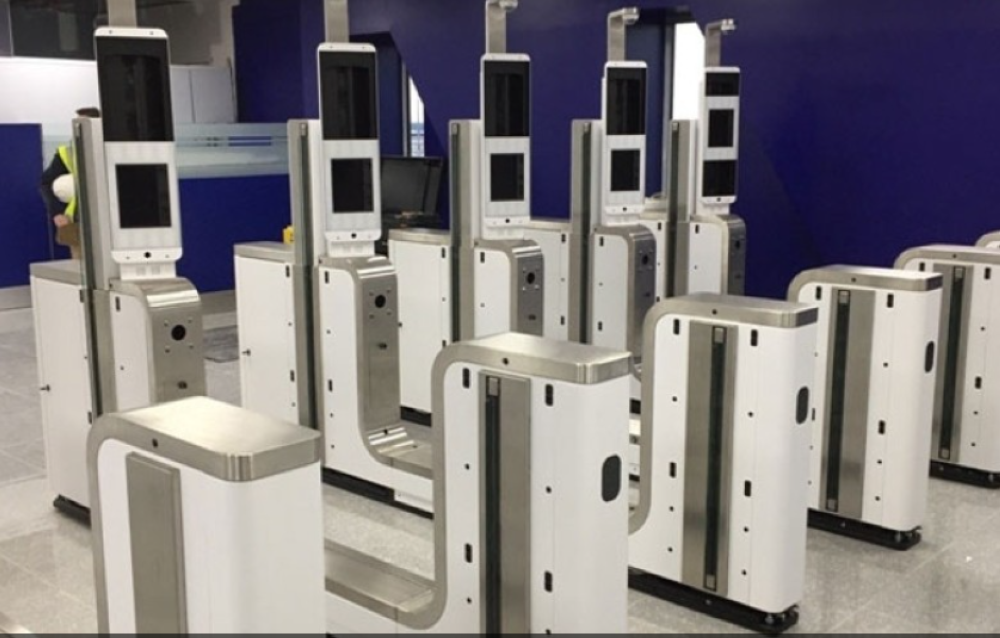
The use of biometrics at airports is expanding, and passenger satisfaction with biometrics has reached its highest level yet.
Half of passengers (50 percent) have used biometrics at some point in their airport journey, up from 46% in 2024. Usage is most common at security (44 percent), exit immigration (41 percent), and entry immigration (35 percent). Notably, biometric use has risen by nearly 20 percentage points since 2022.
Passengers who have used biometrics report high levels of satisfaction, with 85 percent saying they are happy with the experience.
74 percent of travelers say they would be willing to share their biometric information if it means they can skip showing a passport or boarding pass at checkpoints like check-in, security, border control, and boarding.
Privacy remains a concern, but there is room to build trust; 42 percent of passengers who are currently unwilling to share their biometric info say they would reconsider if data privacy were assured.
“Passengers are already using biometrics for different stages of their journey, from check-in to boarding. But to make the international travel experience fully digital, governments need to start issuing digital passports and enable their secure recognition across borders. When that becomes common practice, travelers, governments, and airlines will all see the benefits of digital identity with an experience that is even more convenient, efficient, and secure,” said Careen.
Oman Observer is now on the WhatsApp channel. Click here