




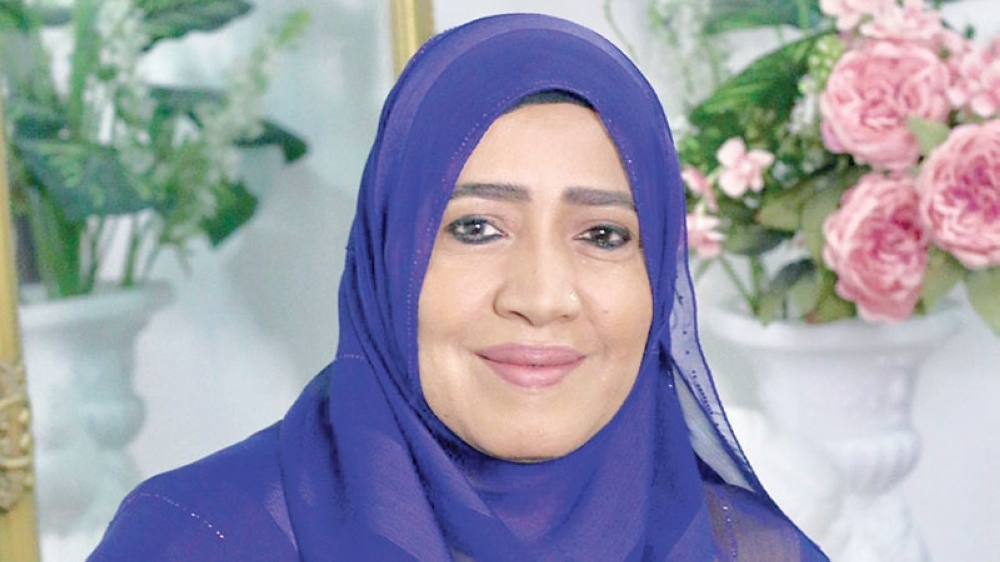
In the heart of Muscat, where compassion becomes action, the Ihsaan Association for the Elderly stands as a haven of mercy, a place that restores comfort, dignity and belonging to those who once devoted their lives to others. Behind this noble initiative stands Jokha al Farsi, one of Oman’s first nurses with a recognised degree and a woman who believed that aging does not diminish a person’s worth, it deepens their right to care, respect and love.
Her story began with a simple belief, that honouring one’s parents is not an occasion to be celebrated once a year, but a way of life. Jokha says, “The International Day of Older Persons isn’t really for us Arabs and Muslims. It is meant to remind those who have neglected their parents. We only need to remind ourselves not to get too busy for them”. From this conviction, the association’s message was born.
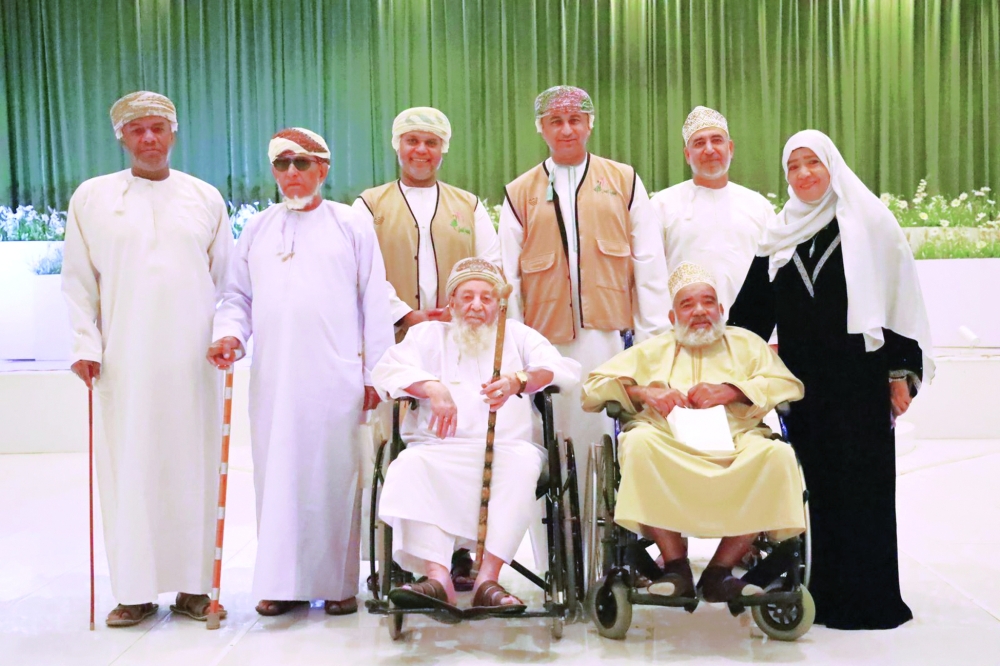
On October 1, Jokha organised a special event in collaboration with the Omani Women’s Association in the Wilayat of Al Amerat, Muscat Governorate, dedicated exclusively to elderly mothers, because, as she puts it, “Mothers are the most burdened with their children’s struggles and the most in need of being celebrated”. That day was far from a formal seminar. It was a joyful traditional celebration, bringing together mothers from the wilayats of Muscat, Al Seeb, Bausher, Qurayat and Muttrah, that revived the old Omani wedding procession and henna night with traditional songs, gifts, competitions and laughter that lit up the mothers’ faces like a full moon’s halo on a dark winter night.
But Jokha didn’t stop at celebration. The very next day, she launched an extensive awareness campaign in schools and colleges, focusing on instilling the values of filial piety and teaching students how to treat the elderly, especially those suffering from chronic illnesses like diabetes, Alzheimer’s, or physical disabilities. She preferred open dialogue to lectures. During her sessions, she would ask students, “How do you treat your wheelchair-bound father? Have you visited your grandmother this week? Have you asked your mother how she’s feeling?” She
encouraged them to think about the small gestures that make a big difference.
Impressively enough, at the association’s headquarters, she established a training model room that illustrates how an elderly person’s bedroom should look, not isolated in a far corner of the house, but close to the living room, so they remain part of daily family life.
The model room demonstrated the ideal setting for the elderly with medical beds and a real-life sized mannequin dressed in Omani clothing to make the experience more realistic and relevant to visitors. From there, the association’s efforts expanded to include transportation services for patients and the elderly using specially equipped ambulances. It all began with one vehicle named Kifah (resilience), the first of its kind and gradually grew into a fleet of eight ambulances bearing names filled with optimism, Haiba (Dignity), Ata’a (Giving), Omnia (Wish), Amal (Hope), Afia (Well-being), Rahma (Mercy), Ghaith (Rain) and Athar (Impact). The ninth vehicle, named Athar, was announced as a collaboration with Sohar International Bank and the Athar Foundation, while Ghaith was designated to serve patients in Al Buraimi Governorate in partnership with the youth of the region and the Al Buraimi Healthy City Initiative.
Each of these vehicles doesn’t only transport patients to hospitals, they also take them to family visits, social gatherings and even to the airport when travelling abroad for treatment. Jokha emphasises that the service now covers all governorates of Oman, already reaching the wilayats of Qurayat, Sur, Ibri and Al Musannah; and even some islands via ferry.
What sets Jokha apart is her belief that charity is not just about giving money, it’s about giving meaning. When a generous benefactor offered her a donation of RO 25,000, she refused to accept it in cash, insisting instead that it be used directly to purchase a new ambulance. She said, “Money alone doesn’t save lives, but an ambulance that reaches a patient in need does”. To maintain trust and transparency, Jokha and her team document every transfer through photos and videos, sending them to donors so they can see firsthand how their contributions bring relief and comfort to the elderly.
Similarly, when IKEA offered a donation, Jokha requested that the funds be used to redesign the association’s facility to enhance both the psychological and aesthetic well-being of the elderly. She wanted a warm, peaceful environment filled with natural light and comforting colours, because, as she says, “Emotional comfort is half of healing”.
Today, the association operates through the efforts of over 80 Omani youth volunteers, with no government funding, relying entirely on individual contributions and private sector support. Jokha encourages every donor to become an active partner, those who own fuel stations can donate fuel cards, car wash owners can offer free cleaning, repair shops can handle maintenance and those with little to give can still contribute something meaningful.
With a smile full of faith, Jokha says, “We’re not just a healthcare organisation, we’re a family. We want to rebuild the bond between children and their parents; and ensure that every elderly person in Oman feels remembered, valued and loved”.
And thus, Jokha al Farsi transformed from a nurse who healed bodies into a nurse who heals society’s spirit. She didn’t just treat wounds, she planted compassion, built bridges between generations and turned Ihsaan into a living lesson in humanity, forever engraved in Oman’s heart.
Oman Observer is now on the WhatsApp channel. Click here