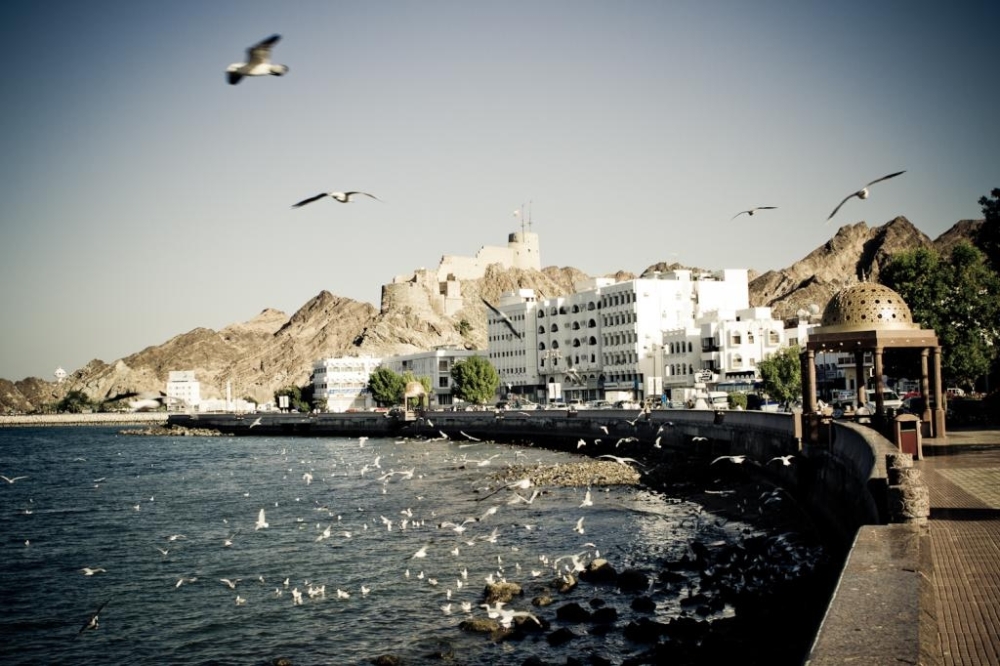





Muscat: Private vehicles dominate daily commuting in the capital, Muscat, according to the preliminary results of the Muscat Area Traffic Study 2025.
The results indicated that 97 percent of daily trips in the Governorate are made using private cars, and nearly 71.9 percent of these trips are single-occupant journeys, highlighting the prevalence of solo travelling.
Currently, there are 1,439,044 private vehicles on Oman roads, an increase of 5.5 percent from 1,396,117 vehicles in 2024. There are also 28,365 registered taxis and 42,119 private vehicles across the country, besides others.
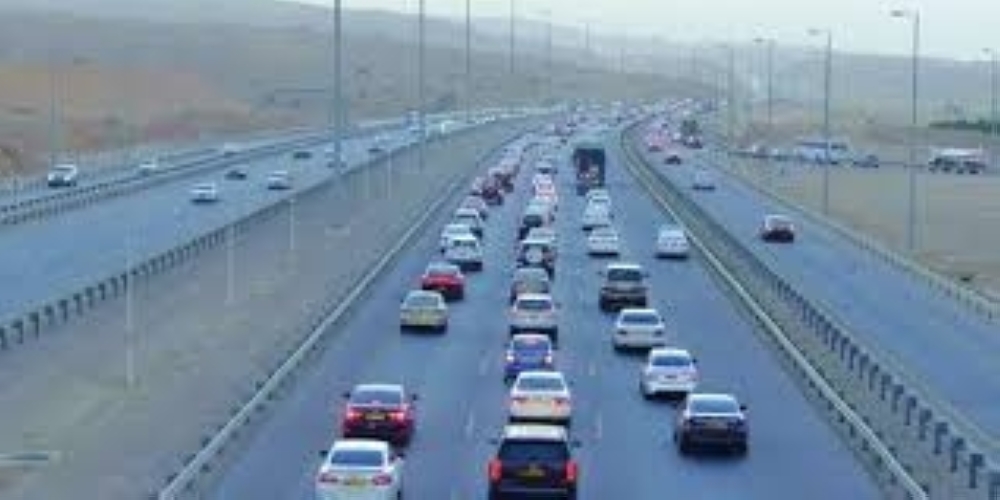
It may be recalled that Muscat Municipality is encouraging travellers in Oman to consider carpooling as a sustainable and economically efficient solution in the field of mobility.
The civic body claims that carpooling will contribute to reducing the environmental impact and decongesting traffic, while also promoting solidarity and interaction between people who opt for this type of transport.
While carpooling in itself is not a trend in Muscat among road users, the concept of shared taxis was quite popular in the country till a few years ago, particularly among the lowly-paid expatriates who could not afford to engage a taxi for daily commuting to offices and home.
The shared taxi concept has seen a decline in recent times, with the growing popularity of app-based ride services and the development of the bus network in the capital and across the country.
Other benefits of carpooling include pollution reduction as sharing vehicles reduces the number of cars on the road, which reduces emissions, contributing to the improvement of air quality and reducing the carbon footprint.
By reducing the number of cars on the road, traffic congestion is also reduced, resulting in faster journeys and less stress for drivers
Co-passengers can share transport costs, which allows them to reduce their expenses, and most importantly, carpooling will help to alleviate the demand for parking spaces in urban areas.
This phase lasted around 6 weeks and covered over 250,000 participants in all wilayats of the Muscat Governorate. Data will be collected using pneumatic rubber tubes (PRT), drones, cameras, mobile phone statistics, survey samples, and Google Maps.
Automated traffic counts were conducted at 45 locations, turning movement counts at 85 intersections and roundabouts, and 23 bridges
Parking areas in selected congested areas will be surveyed to assess their usage rates.
Public transport has been gaining acceptance in the Sultanate as Mwasalat buses ferried more than 4,750,000 (4.7 million) passengers in 2024 at the rate of 12,000 daily passengers.
The percentage of Omani passengers in intercity buses was 26.89% and 75% for Ferries.
It may be noted that the first phase of public transport in Oman was between 2015-2018, which saw the introduction of bus services on main and secondary routes, streamlining of taxis, and improvement of the walkways.
The second phase, which started in 2019 and will end this year, includes the expansion of bus services with new routes, dedicated bus lines, and the provision of new bus stations.
The third phase (2026-2040) will witness the progress on the development of the Muscat metro and the introduction of water taxis.
There are a lot of road projects that will be implemented in 2025, which include the expansion of the Muscat Expressway, the November 18 road, and the remodeling of the Burj al Sahwa roundabout.
Oman Observer is now on the WhatsApp channel. Click here