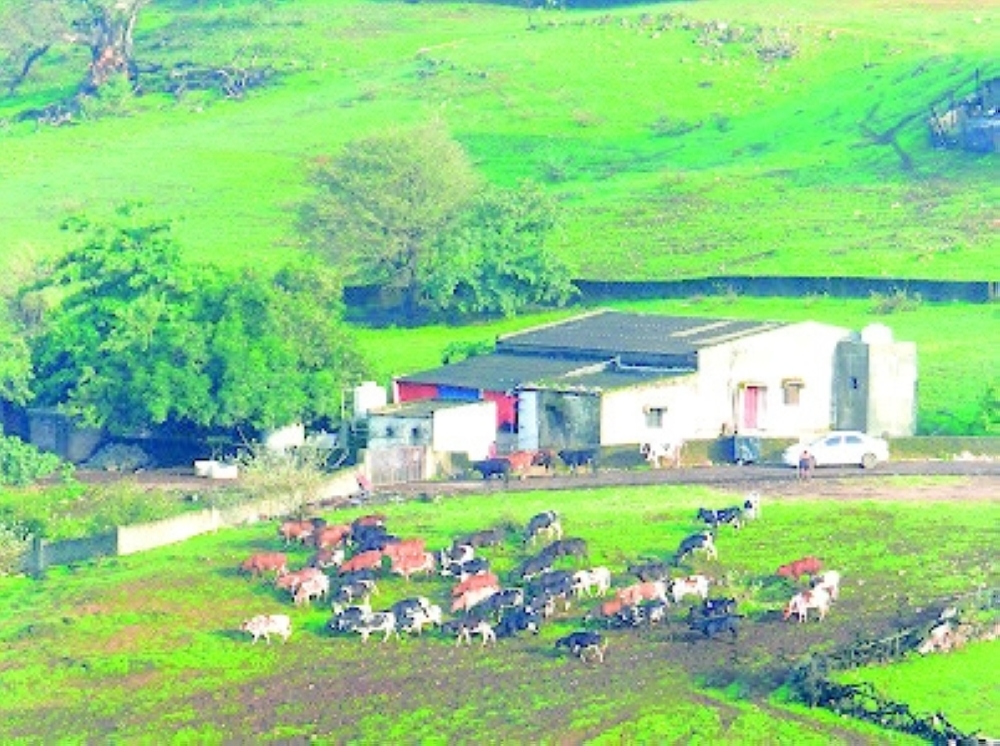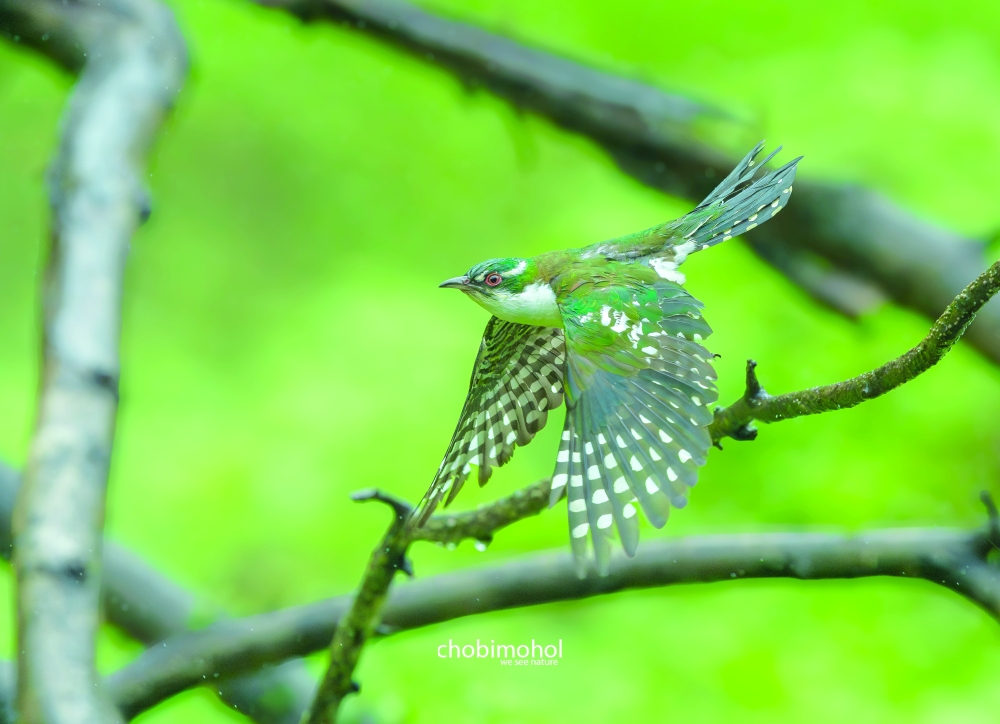





“Dee-dee-dee-derik...” The crisp, rhythmic call of the Diederik cuckoo adds a unique note to the symphony of birdlife that awakens Dhofar’s valleys each Khareef Dhofar Season. This small, metallic-green bird, more common in sub-Saharan Africa, becomes a striking presence across Salalah’s lush wadis, acacia groves and the foothills of the Al Qara Mountains during the monsoon.
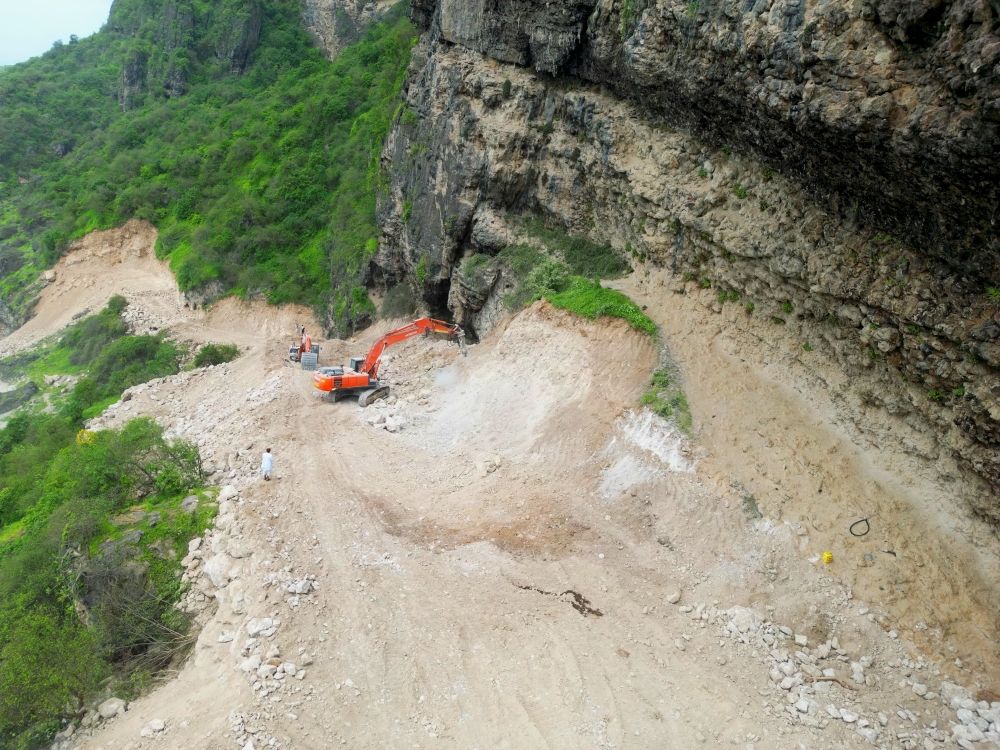
The Khareef, with its rain-soaked landscapes and blossoming greenery, transforms Dhofar into a haven for both migratory and breeding birds. It is during this season that birdwatchers and nature enthusiasts are most likely to hear the cuckoo’s signature call, often prompting them to pause their drives along winding mountain roads to spot the elusive bird among dense foliage.
Two Salalah-based photographers have captured the Diederik cuckoo brilliantly, each bringing their own perspective to this hidden drama of Dhofar’s avian life.
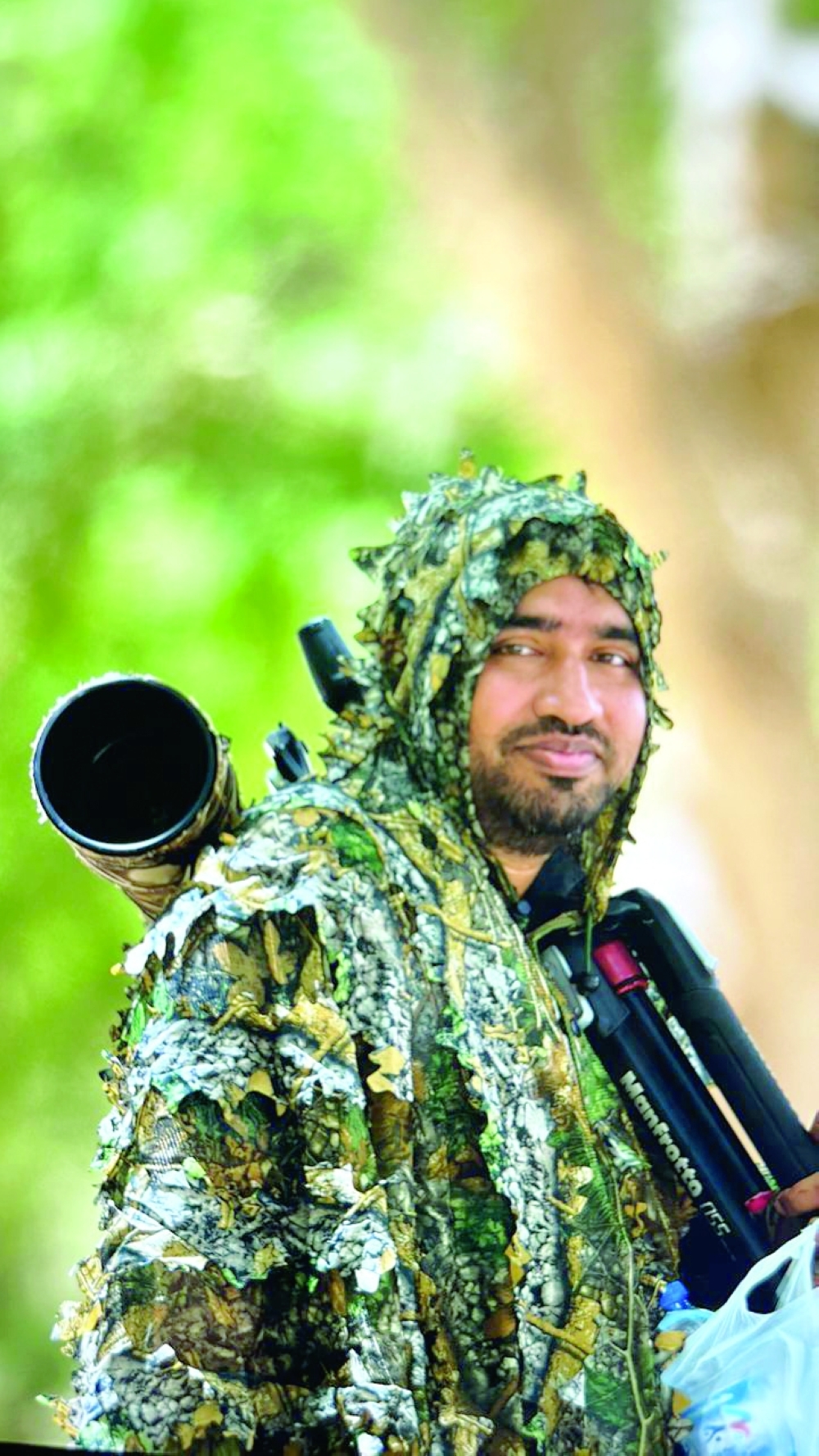
For Dr S M Ziaul Haque, a cardiologist at Salalah Heart Centre and a devoted wildlife photographer, the magic of the Khareef lies in these subtle, seasonal spectacles. “I first heard the call while passing through Ayn Razat”, he recalls. “Suddenly, all the smaller birds became alert, particularly the weavers, as the cuckoo flitted among them. When it became visible, its vibrant colours and elegant movements drew my complete attention. Witnessing this during Khareef, amidst the lush greenery, was unforgettable”.
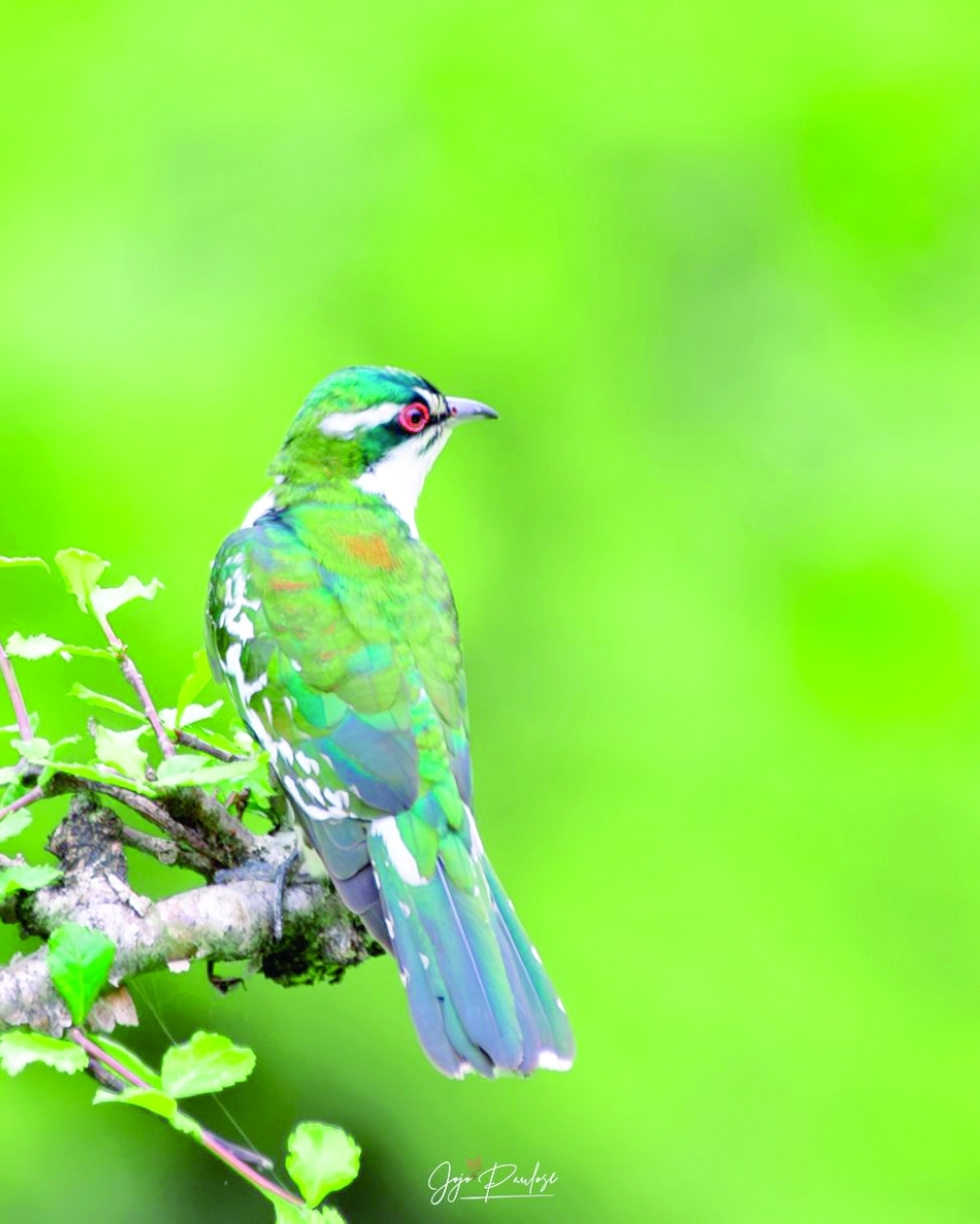
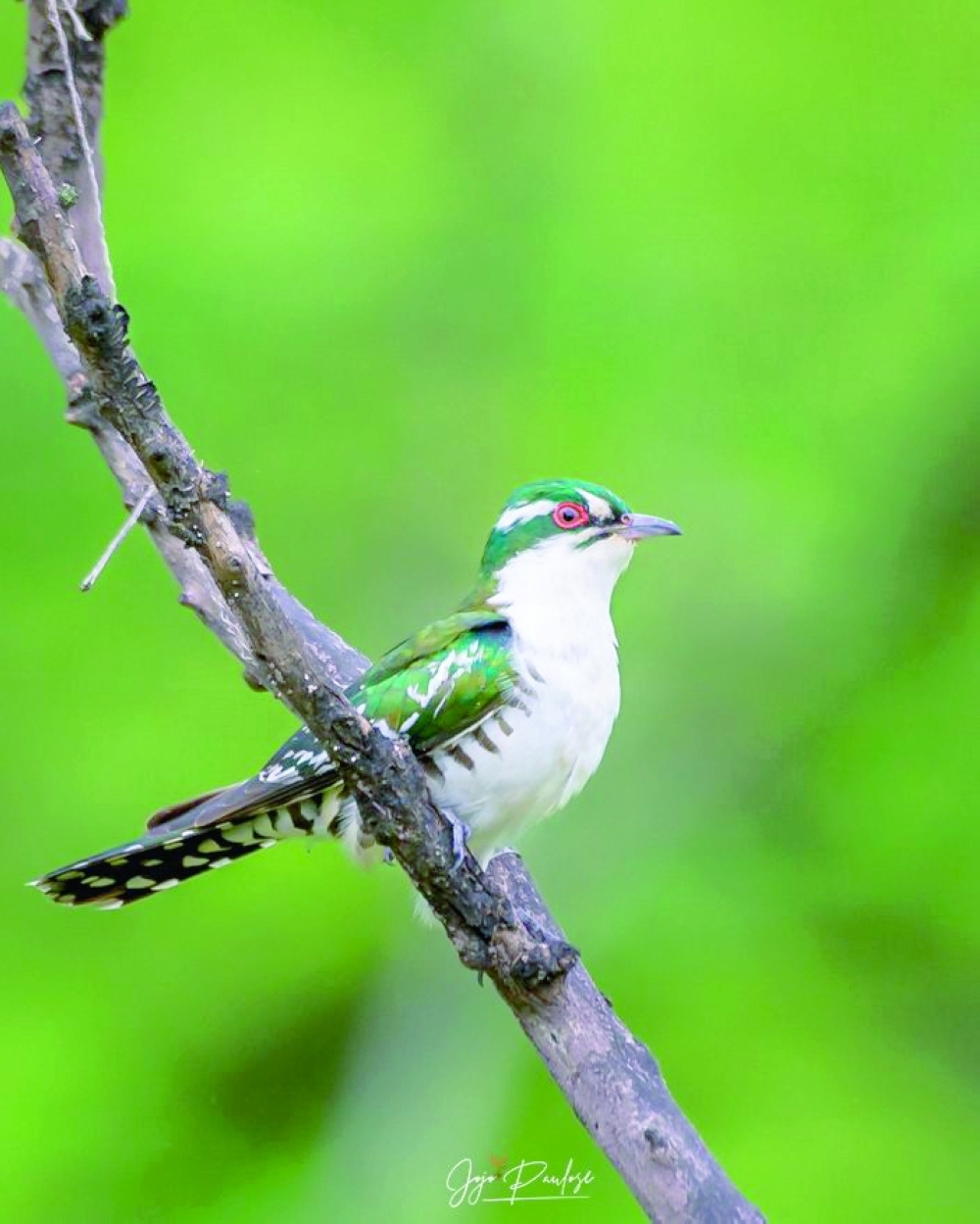
Dr Ziaul explains that the cuckoo’s presence is closely tied to the rainy season. New plant growth attracts insects and caterpillars, while smaller birds begin nesting — ideal conditions for the cuckoo’s brood-parasitic behaviour. “The male restlessly searches for suitable nests, often disturbing weavers and flycatchers. Yet its emerald plumage and red eyes make it almost invisible among the foliage, a true challenge for any photographer”.
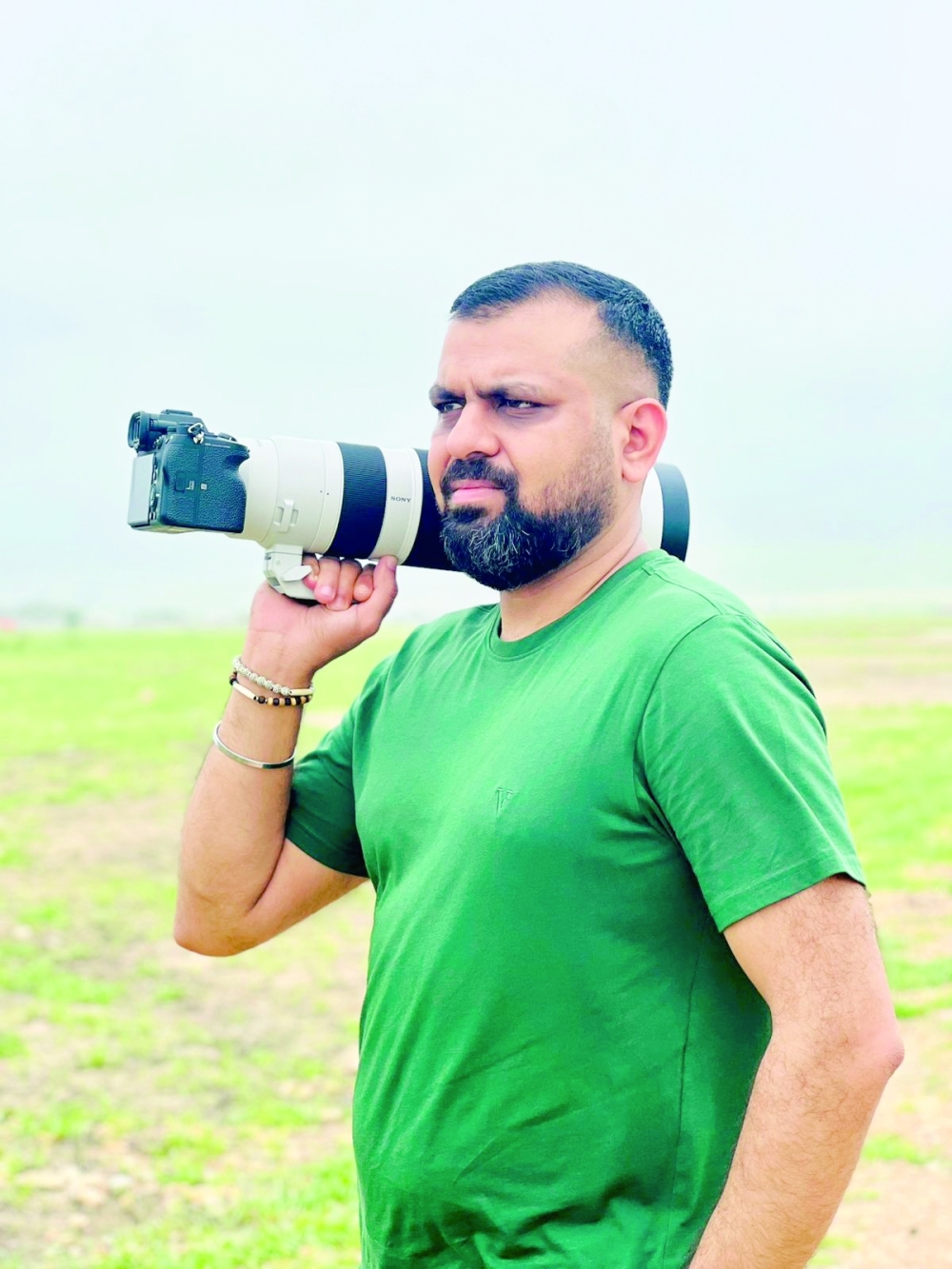
Meanwhile, Jojo Paulose, IT Manager at Safir Salalah Garden Hotel, was drawn to the cuckoo for the thrill of documenting one of Dhofar’s lesser-known avian gems.
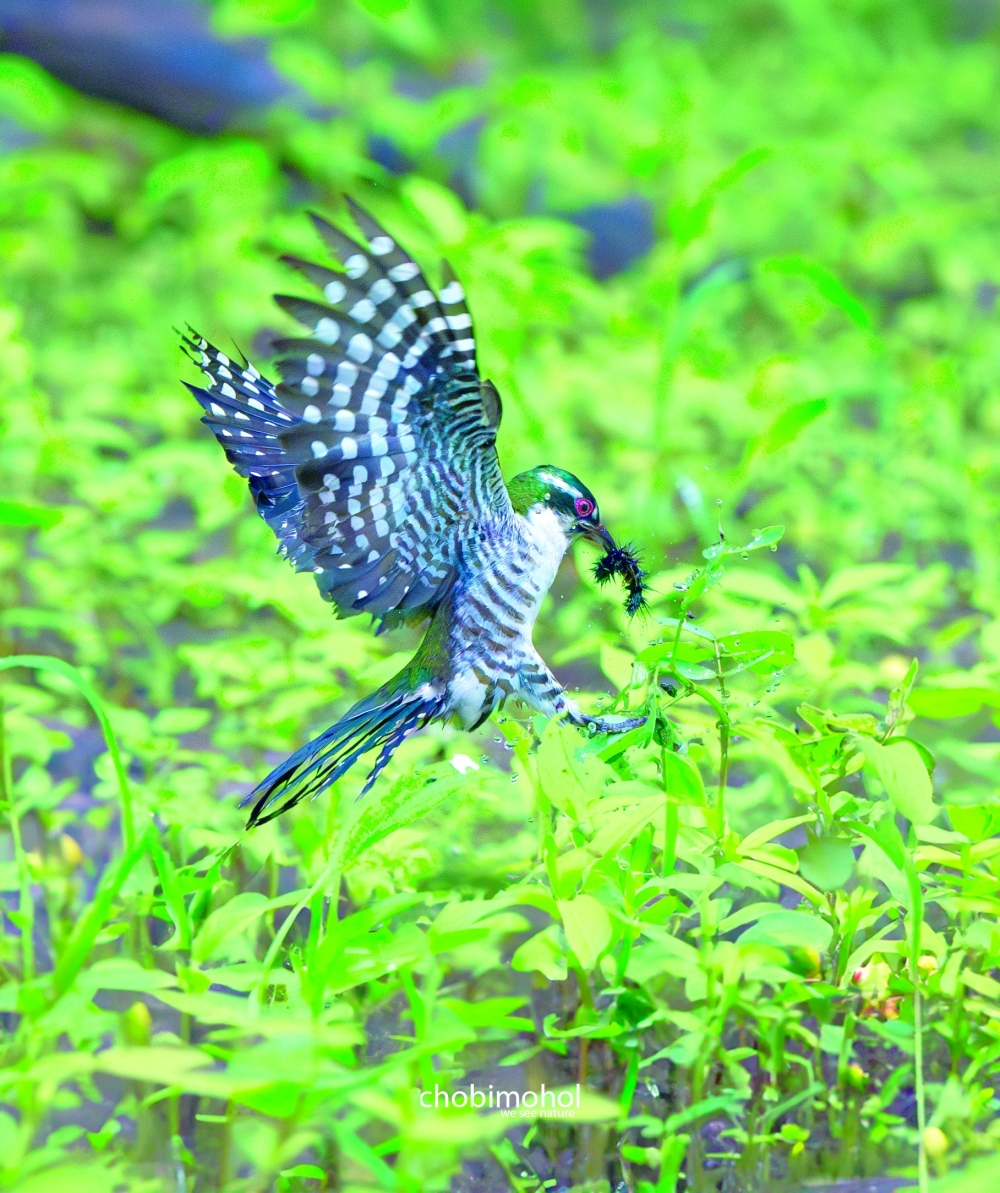
“The Diederik cuckoo’s metallic green-and-gold plumage stands out against the Khareef landscape”, he says. “Its rarity in Salalah, combined with its restless behaviour and tendency to stay near host birds, makes photographing it both challenging and immensely rewarding”.
Jojo highlights the bird’s scarcity: “Unlike many resident species, it is primarily a seasonal visitor. Every sighting during Khareef feels special and capturing a clear shot requires patience, perfect timing and sometimes a bit of luck”.
During Khareef, these cuckoos are widely distributed across Dhofar, calling from high mountain ranges such as Ayn Hamran, Wadi Darbat and Wadi Nahiz. They feed on caterpillars and insects in forests and grasslands, occasionally descending to the ground, while their brood-parasitic lifestyle ensures their fascinating interactions with other birds are on full display.
Both Dr Zia and Jojo emphasise that the Diederik cuckoo exemplifies the unique avian richness of Dhofar during the monsoon. For visitors, its vibrant plumage, restless movements and distinctive calls serve as a symbol of the Khareef — a season when the region’s natural beauty and wildlife flourish in full splendour.
Oman Observer is now on the WhatsApp channel. Click here