Local tourism plays a vital role in enhancing economic resilience and fostering the growth of national enterprises. It functions within the framework of political, social, and cultural contexts, as well as the broader movement of economic development. At its core, it encourages citizens and residents to explore the country’s diverse landscapes, discover its unique characteristics, and engage in experiences that may serve as models for advancing the tourism industry.
Strengthening domestic tourism is a national priority — not only as a means of resource development and service expansion, but also as a path toward job creation. This requires well-developed infrastructure, the expansion of tourism offerings, support for related activities, and the creation of national strategies that support tourism-driven development on economic, social, and cultural fronts.
While tourism is highly sensitive to national, regional, and global developments, it represents an opportunity to establish a solid economic and cultural foundation. The sector’s wide investment scope allows for innovative community-driven visions that support sustainable economic models and overall national development.
Tourism growth today depends on incentives shaped by cutting-edge technology and tourism models designed for resilience and sustainability. Technological advancements help accelerate economic gains in tourism, support diversification, and create enabling environments for youth-led initiatives and small enterprises — particularly during peak travel seasons.
Domestic tourism, in this light, becomes essential for innovation, sustainability, and prioritising environmental and social responsibility. In times of global conflict, pandemic outbreaks, or instability, local tourism emerges as the safest and most reliable option. It also caters to both recreational and educational needs, making it an indispensable tool for fostering economic, cultural, and social development.
The tourism sector in Oman has undergone noticeable growth in recent years, especially as governorates have gained greater capacity to develop their local industries. Each region offers its own unique natural and architectural features, along with human resources capable of managing and developing tourism in line with creative and innovative capacities. This decentralised approach supports wider outreach, increased visitor engagement, and expanded community participation.
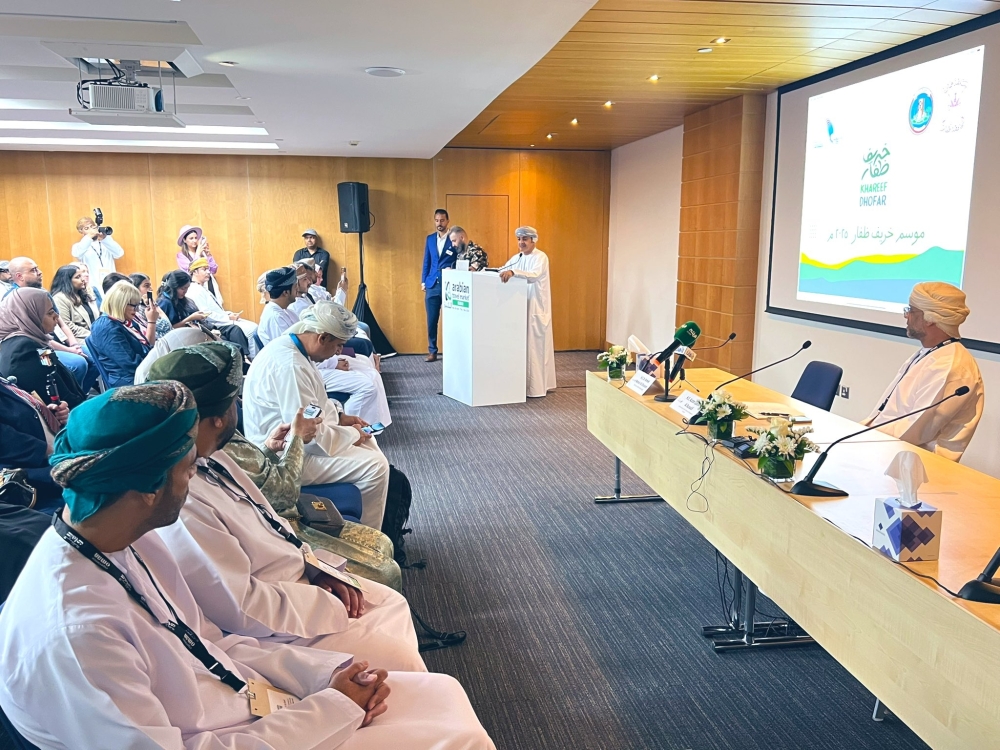
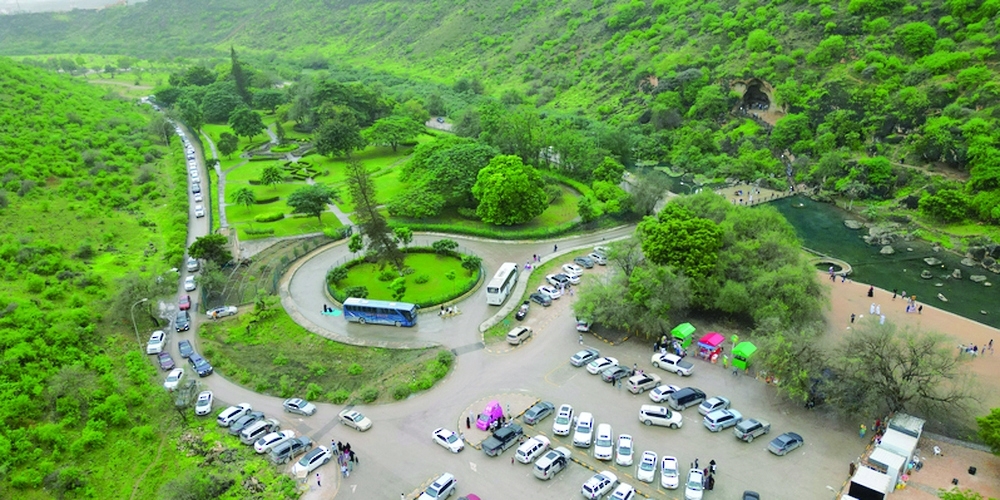
A leading example is the Khareef Dhofar Season which presents an expansive opportunity for exploration, entertainment, and learning. It invites visitors to experience cultural richness through initiatives such as Return to the Past, while also offering a wide array of recreational, sports, and cultural activities across the governorate. Unique eco-tourism and cultural experiences throughout Dhofar’s towns further enhance its appeal.
More than a seasonal destination, the Season represents a national tourism and cultural event, built on cooperation among Oman’s governorates, government institutions, the private sector, and civil society. It reflects a strong societal awareness of the season’s significance. The festival has become a magnet for small and medium enterprises, a recreational outlet for families and youth, and a platform for writers, artists, athletes, and creatives seeking peace, inspiration, and expression.
Improvements to infrastructure and services in Dhofar have made its natural and architectural landmarks more accessible, driving tourism in all its forms. Enhanced facilities now meet the diverse needs of visitors, providing a rich, fulfilling experience that supports both entertainment and education. This success has extended beyond the khareef season to include other popular periods such as the Sarb and winter seasons — both of which are drawing increasing numbers of visitors and tourism investments.
Local tourism has proven to be one of the most essential models for enabling economic, cultural, and social growth, particularly under the constraints of today’s global conditions. It offers a practical alternative to international travel and is being actively strengthened by many nations through logistical support and global event models that bring international experiences to domestic audiences.
During the summer holiday season, when families seek enjoyable, educational, and meaningful activities for their children, local tourism offers valuable options. The Khareef Season, with its rich entertainment offerings and inviting natural environment, stands as a powerful model for growing and sustaining high-quality tourism within Oman.
Aisha al Darmaki
The writer is a researcher specialising in semiotics and a member of the State Council
The original version of this article was published in the print edition of the Oman Arabic newspaper on July 6
Translated by Badr al Dhafri
Oman Observer is now on the WhatsApp channel. Click here