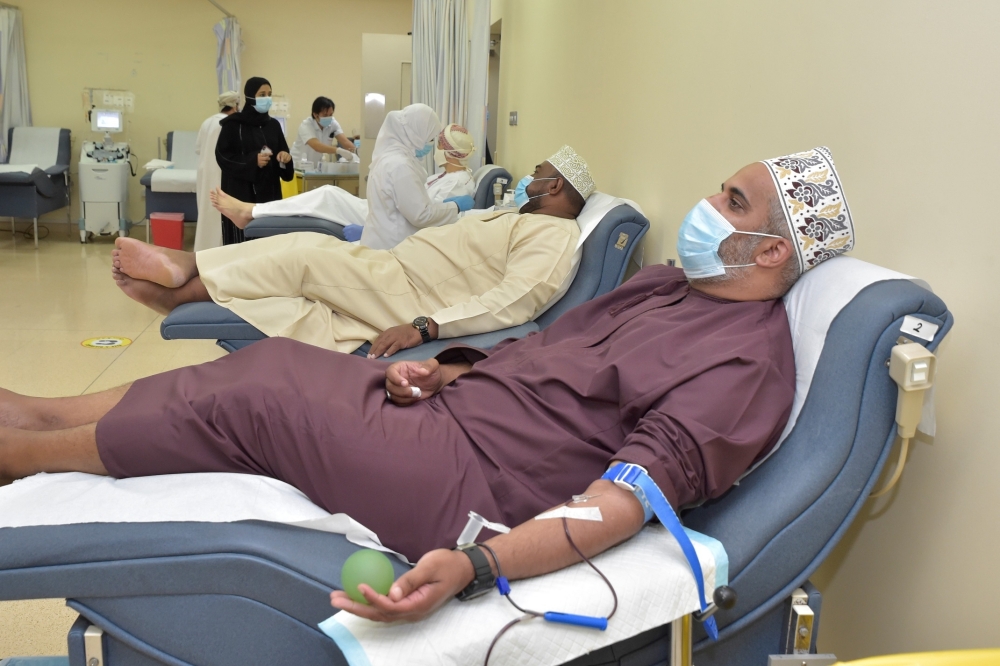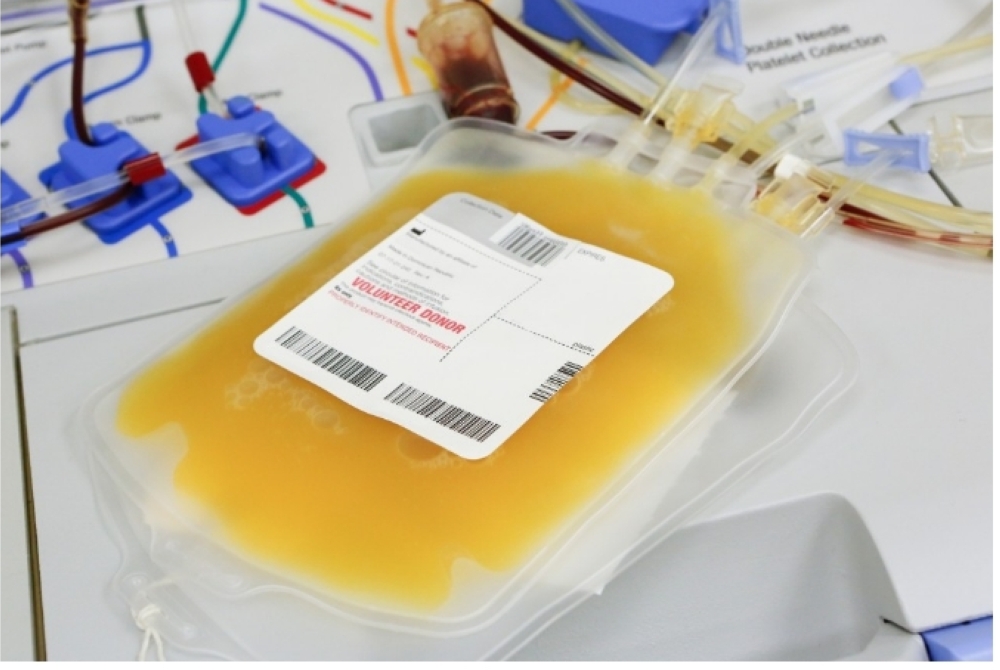





Muscat: The Central Blood Bank in Bausher urged donors to donate blood platelets as there is a daily need for more than 15 platelet donors.
On Sunday, the blood bank requested those with blood group AB - due to an urgent need.
Making a desperate call, the blood bank urged all citizens and residents to take the initiative and continue to donate blood.
“Generally, blood banks face difficulty in providing negative blood types. If your blood type is negative, do not delay your bid, and remember that there are those who are in dire need of your blood donation, the central blood bank said.
A platelet can only be kept alive for five days, the Department of Blood Bank Services, DBBS said several many cancer patients require daily platelet transfusions for 7 days.
Platelets are tiny blood cells that help your body form clots to stop bleeding. If one of your blood vessels gets damaged, it sends out signals to the platelets. The platelets then rush to the site of damage and form a plug (clot) to fix the damage.
The process of spreading across the surface of a damaged blood vessel to stop bleeding is called adhesion. This is because when platelets get to the site of the injury, they grow sticky tentacles that help them stick (adhere) to one another.
They also send out chemical signals to attract more platelets. The additional platelets pile onto the clot in a process called aggregation. A normal platelet count is 150,000 to 450,000 platelets per microliter of blood.
The risk for bleeding develops if a platelet count falls below 10,000 to 20,000.
When the platelet count is less than 50,000, bleeding is likely to be more serious if you're cut or bruised. Some people make too many platelets. They can have platelet counts from 500,000 to more than 1 million.
Oman Observer is now on the WhatsApp channel. Click here