




MUSCAT: Leading investment management firm Invesco released its ninth annual Global Sovereign Asset Management Study on Monday. The study detailed the views and opinions of 141 chief investment officers, heads of asset classes and senior portfolio strategists at 82 sovereign wealth funds and 59 central banks across the globe, who together manage $19 trillion in assets.
With Covid-19 top of mind, impacting both operations and investment strategies, the impact of the ongoing pandemic is a major theme running throughout this year’s report.
In response to Covid-19, governments rushed to implement policy measures designed to prop up their economies and public services such as health, as well as providing support for businesses and households at a time when tax revenues retreated with depressed economic activity.
The impact on public finances led some governments to tap their sovereign wealth funds for capital to fund spending and plug budget deficits as more than a third of sovereigns, and 57 per cent in the Middle East, saw drawdowns during 2020 including 78 per cent of liquidity sovereigns and 58 per cent of investment sovereigns.
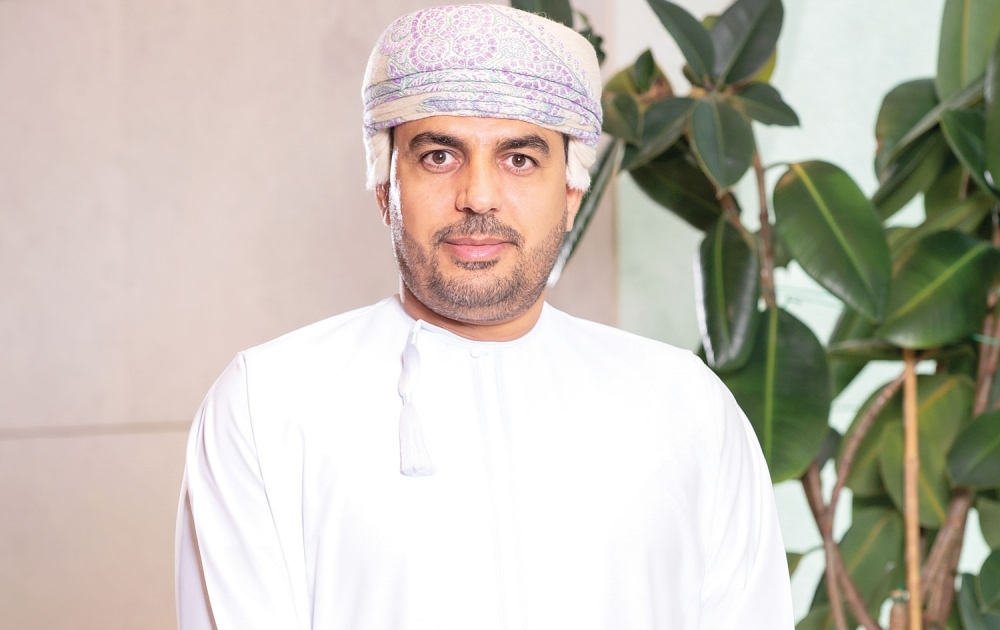
Josette Rizk, Director Institutional Clients Middle East & Africa at Invesco, said: “The Covid-19 pandemic has prompted a focus on liquidity for Middle East sovereign funds, both to fund short term demands and to take advantage of future opportunities. Given the commodity-based nature of regional sovereigns, it is not surprising that they were called on for support to fund necessary business relief as the result of the Covid-19 pandemic through drawdowns.”
Many sovereign funds had learned the importance of building large liquidity reserves, following the global financial crisis, and were successful in supporting local economies and large companies in need of stabilisation finance. But the scale and speed of withdrawals for those that hadn’t, meant a significant impact on allocations, and led sovereigns to reevaluate liquidity risk management. This has prompted a shift towards cash, with portfolio cash reserves more than doubling during 2020, as some sovereigns continued to focus on liquidity in anticipation of possible further withdrawals.
However, sovereigns also noted that the pandemic had shone a spotlight on the importance of liquidity more generally, both as a buffer for future black swan events and to afford the flexibility to take advantage of market opportunities when they arise, such as the early run in equities at the start of 2020.
The study also revealed a shift in asset allocation as sovereigns were forced to look elsewhere in the face of falling fixed income yields, as the widespread easing of monetary policy pushed rates lower. Fixed income allocations fell from 34 per cent to 30 per cent globally as concerns about stimulus-driven inflation returned. The volatility present in markets through the first quarter of 2020 caused an uptick in equities, reversing a two-year trend of declining allocations.
Global sovereigns increased their allocations by 2 per cent from 2020, rising to 28 per cent. A further 30 per cent of respondents, including 14 per cent in the Middle East, expect to increase their allocation to equities over the next 12 months. Looking across asset allocations, Middle East sovereigns expect to significantly increase their allocations to real estate (57 per cent), private equity (29 per cent), infrastructure (43 per cent) and direct strategic investments (29 per cent).
Josette Rizk said: “While the pandemic did cause initial drawdown requirements, the long-term investment horizon of Middle East sovereigns makes rising allocations to these more illiquid private markets more attractive.”
Rod Ringrow, Head of Official Institutions at Invesco said: “Governments, faced with fiscal challenges, have turned to sovereigns to help plug their spending deficits. While some funds were well prepared, others have had to make adjustments to generate liquidity. Sovereigns have also become aware of the importance of maintaining liquidity in order to take advantage of market opportunities as they arise. At the same time, generating sufficient returns in the face of an extremely low interest rate environment is having a substantial and potentially long-lasting impact on strategic asset allocations and perception of market risk.”
Oman Observer is now on the WhatsApp channel. Click here