At low tide, the mangroves at Al Qurum, protected by royal decree since 1975, push their pencil roots up through the mud to breathe. Carbon is held in their wood and in the sediment below, where the tide covers and uncovers the ground each day. Elsewhere along Oman’s coast, on reclaimed land in Al Wusta, a national blue carbon project aims to establish vast new mangrove forests. Its ambition is counted in trees and hectares, and its meaning will be decided in places like these, at the water’s edge.
For much of the history of climate conferences, the ocean has been present without commanding the attention given to energy and emissions. The sea has absorbed more than 90 per cent of the excess heat trapped by greenhouse gases and about a quarter of the carbon dioxide we release, yet its role in climate diplomacy has often been confined to a dialogue running alongside larger negotiations. In Antalya, the draft COP31 decision gives that dialogue a possible future, with a multiyear plan that would carry the ocean into the next global review of climate action in 2028.
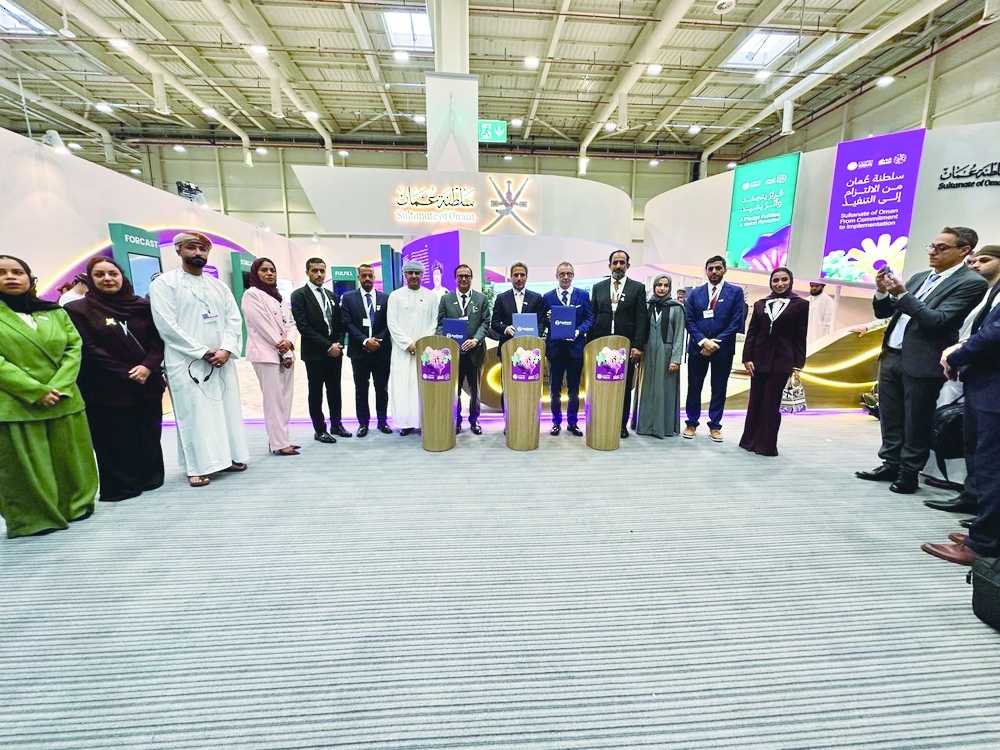
Oman used its multiple media statements in Antalya to ask for finance and the transfer of technology for developing countries, the same request heard throughout this conference’s debate over energy targets, since without them a target on paper may become an obligation without the means to meet it. The ocean has its own version of this argument. Research shared at COP31 found that 61 per cent of the ocean commitments in newly submitted climate plans from coastal and island countries depend on external finance or technical support, an extraordinary amount of national willingness resting on resources still to be secured. By most estimates ocean projects receive around 1 per cent of climate finance, so the sea’s place in these plans has so far been written largely in hope.
From the fjords of Musandam, where the mountains fall straight into the sea, to the cliffs of Dhofar, the coast holds worlds that rarely enter negotiating language. Off Dhofar, Arabian Sea humpback whales belong to a population that has remained genetically isolated for roughly 70,000 years, far longer than there have been towns anywhere in Arabia. Along the mangrove shore, carbon is laid down year after year while coastal habitats shelter life and soften the force of the sea. These places offer their reasons for care, long before an international paragraph gives them a name.
Recognition is the gentlest thing a negotiated text can offer, and the cheapest; Fiji asked the conference to move beyond recognising threats toward a clear pathway for ocean action, with accountability attached.
Yet this draft proposes a process through which ocean priorities could inform the 2028 global review and invites countries to report on their ocean actions. Both must first survive the final night of talks, and their greater test will be whether they lead to funding and to restoration that can be measured beyond the conference halls, in replanted mangroves and in fish returning to the shallows.
Oman’s blue carbon project was announced well before Antalya, in 2023, with a plan to plant 100 million mangroves, and some 1.5 million are already in the ground.
Mangroves take hold only where the tide reaches them at the right height, and a forest is the sum of the seedlings still standing years after the planting, supporting the ecosystems and the coastal communities around them. The decision will settle into whatever the last hours allow, and the mangroves at Al Qurum will go on, keeping what the air gave them while we decide whether we meant it.
Oman Observer is now on the WhatsApp channel. Click here