




Hydrom has awarded eight major land blocks covering approximately 2,300 square kilometres, associated with proposed investments exceeding $49 billion. -
Oman's transition towards a green economy is gathering momentum, underpinned by multibillion-dollar investments in renewable energy, green hydrogen, low-carbon manufacturing and sustainable infrastructure, as the Sultanate of Oman seeks to leverage its natural resources and strategic location to establish new engines of economic growth.
What began largely as an effort to diversify electricity generation and reduce carbon emissions has evolved into a broader industrial development strategy. Clean energy is increasingly being positioned as a competitive advantage for attracting energy-intensive industries, strengthening export capabilities, developing new manufacturing value chains and creating skilled employment opportunities.
Anchored by Oman Vision 2040 and the national commitment to achieve Net-Zero emissions by 2050, this transformation is drawing growing interest from international developers, technology providers, financial institutions and industrial investors. However, the emphasis is gradually shifting from investment announcements and ambitious capacity targets towards project execution, commercial viability, infrastructure development and tangible economic returns.
Renewable energy expansion
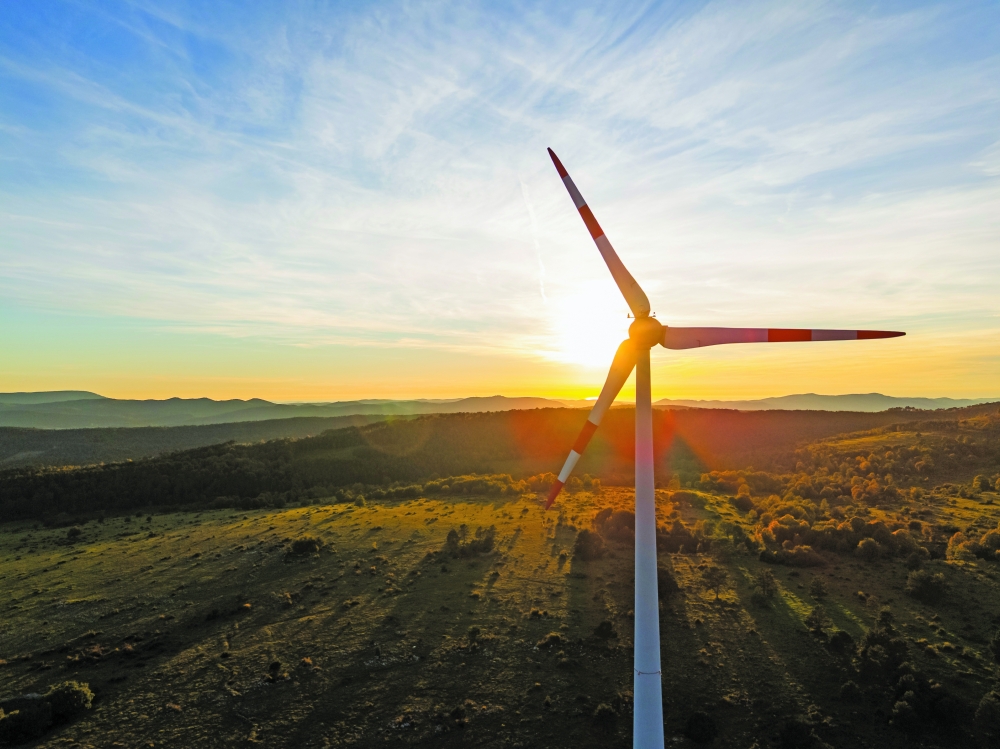
Renewable electricity generation remains the foundation of Oman's green economy ambitions, with utility-scale solar and wind projects advancing across several governorates.
The commissioning of the Manah I and II solar independent power projects, with a combined capacity of 1,000 MW, marked a significant expansion of the Sultanate's renewable generation portfolio. These developments are being followed by further solar investments, including the 500 MW Al Kamil Solar I project and proposed large-scale developments at Adam, Al Kamil II and Mahdah.
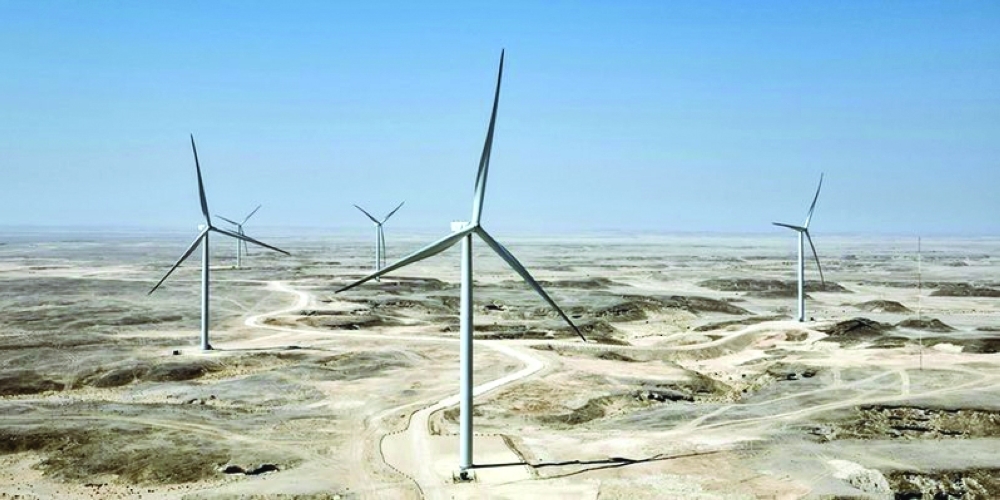
Wind energy is emerging as another major growth area, particularly in Dhofar, Al Wusta and Duqm. Projects under development or procurement include the 800 MW Mahout Wind IPP, Duqm II Wind IPP, Dhofar II Wind IPP and Sadah Wind IPP. Petroleum Development Oman (PDO) is also contributing through its 105 MW North Oman Solar project and the Riyah-1 and Riyah-2 wind developments, with a combined capacity of approximately 234 MW.
Importantly, electricity-sector reforms are opening new opportunities for private investment through self-generation, direct electricity sales and power wheeling arrangements. These measures could enable industrial consumers to procure renewable electricity directly from developers, reducing their carbon footprints while improving Oman's attractiveness as a destination for low-carbon manufacturing.
A more pragmatic hydrogen strategy
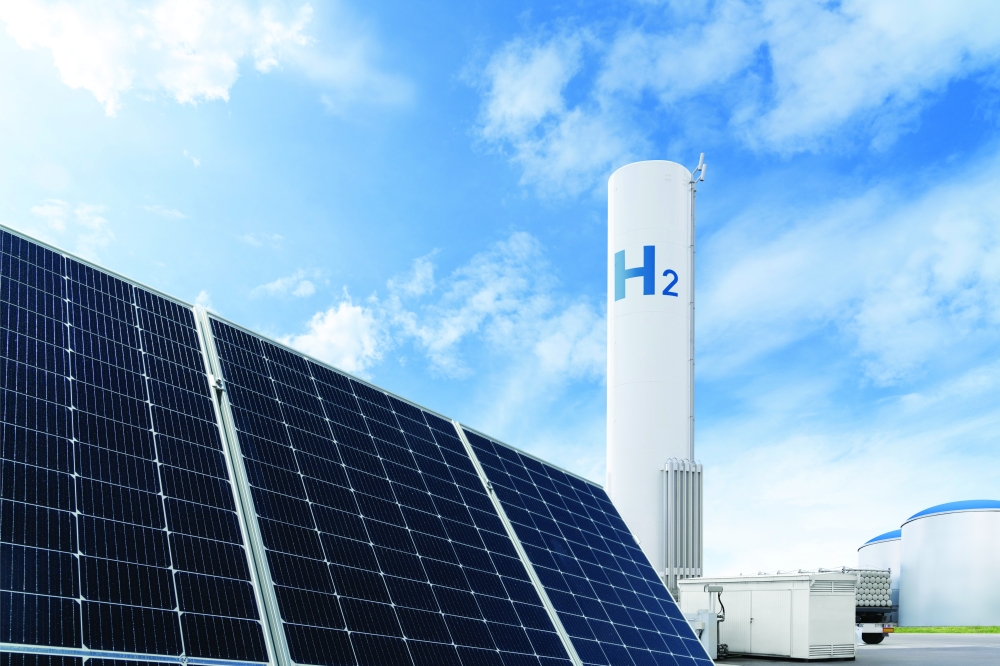
Green hydrogen remains one of the most ambitious components of Oman's energy transition, although the sector is undergoing an important strategic recalibration.
Hydrom, the national orchestrator of green hydrogen development, has awarded eight major land blocks covering approximately 2,300 square kilometres, associated with proposed investments exceeding $49 billion.
The original strategy placed considerable emphasis on producing green hydrogen and derivatives for international markets, supported by Oman's renewable energy resources, extensive coastal industrial zones and proximity to major shipping routes. However, uncertainty surrounding international hydrogen demand, pricing, financing and long-term offtake commitments has prompted greater attention to domestic consumption.
Green hydrogen is increasingly being viewed as a feedstock for industries such as direct reduced iron, hot briquetted iron, green steel and ammonia, potentially enabling Oman to capture greater value from its clean energy resources before exporting finished or intermediate products.
Among the flagship developments is ACME's green ammonia project at Duqm, where the first phase is designed to produce approximately 100,000 tonnes of ammonia annually. The project has attracted interest from international investors, including Brookfield, in supporting subsequent expansion.
Meanwhile, plans for shared hydrogen transportation infrastructure, storage facilities and export terminals are intended to reduce duplication and improve the commercial competitiveness of hydrogen projects. The immediate challenge is to translate development agreements into financially viable projects supported by dependable customers, competitive production costs and realistic delivery schedules.
Low-carbon manufacturing
One of the most consequential developments is the emergence of green industrialisation as a distinct economic opportunity. Duqm is positioning itself as a centre for hydrogen-based iron and steel production, with major investments proposed by Meranti Green Steel and Vulcan Green Steel.
Meranti's planned facility, with a targeted annual production capacity of 2.5 million tonnes of direct reduced iron and hot briquetted iron, is intended to serve international steelmakers seeking lower-carbon feedstocks. Jindal Green Steel is similarly developing hydrogen-ready steelmaking capacity, reinforcing Duqm's potential role in supplying increasingly carbon-conscious international markets.
In Suhar, United Solar's large-scale polysilicon manufacturing project represents another important dimension of industrial diversification, establishing Oman as a potential supplier of critical materials used in global solar photovoltaic manufacturing. The planned Mawarid Turbine manufacturing facility in Duqm, backed by O-Green, is also expected to introduce wind turbine production capabilities to Oman, supported by technology cooperation with Shanghai Electric.
These investments could stimulate demand for local fabrication, engineering, maintenance, logistics and specialist industrial services. Their broader significance lies in the possibility of moving beyond renewable electricity production towards the domestic manufacture of equipment, components and low-carbon industrial commodities.
Grid infrastructure and energy storage
The rapid growth of renewable generation is placing greater importance on electricity transmission infrastructure, grid flexibility and energy storage. Nama Power and Water Procurement is advancing new generation capacity while examining technologies capable of accommodating the variable output of solar and wind projects.
Among the notable proposals is the Jabal Abyad pumped hydro energy storage project, envisaged with a capacity of approximately 2 GW and storage potential of 17.9 GWh. Battery energy storage systems are also gaining prominence, particularly in integrated developments combining solar, wind and storage technologies. O-Green's proposed 2.7 GW continuous renewable energy project spanning Duqm and Mahout illustrates the growing interest in delivering more reliable clean electricity through complementary generation and storage.
At the same time, power wheeling arrangements are becoming increasingly relevant to industrial decarbonisation. The Marsa LNG project, for example, envisages renewable electricity generated at a solar facility in Haima being supplied to its LNG bunkering development in Sohar. The expansion of AI-ready data centres, including proposed investments in Salalah, could create another significant market for renewable electricity, provided adequate transmission capacity and dependable power supplies are available.
Green finance
Financing will play a decisive role in determining the pace at which Oman's green economy develops. Large-scale renewable energy and hydrogen investments require substantial long-term capital, often involving combinations of sponsor equity, commercial lending, development finance and export credit support.
Oman's banking sector is increasingly positioned to participate in financing renewable energy, energy efficiency, sustainable infrastructure and industrial decarbonisation. International development finance institutions are also supporting selected projects: the International Finance Corporation's proposed $50 million equity investment in United Solar's polysilicon venture illustrates the potential contribution of multilateral finance to emerging green industries.
Meanwhile, the Financial Services Authority's move towards mandatory sustainability and climate-related disclosures, aligned with IFRS S1 and S2 standards, is expected to strengthen transparency and encourage more disciplined assessment of environmental risks. Green bonds, sustainable sukuk and sustainability-linked lending could provide additional financing channels as the market matures. Nevertheless, the availability of finance will depend increasingly on project economics, regulatory certainty, credible environmental credentials and the strength of long-term revenue arrangements.
Local content, new opportunities
The ultimate measure of Oman's green economy transition will extend beyond installed renewable capacity and investment commitments to the creation of sustainable domestic businesses and skilled employment.
New opportunities are emerging for Omani enterprises in equipment manufacturing, engineering services, construction, operations and maintenance, specialist logistics, digital technologies and environmental consultancy. O-Green's initiative to recruit and train Omanis for employment at the Mawarid Turbine facility, including proposed practical training with Shanghai Electric, offers an example of efforts to build specialised national capabilities around an emerging industry.
Universities, technical institutions and research centres will have an important role in preparing Omanis for careers in renewable energy engineering, hydrogen technologies, industrial automation and energy storage. Equally important will be ensuring that SMEs and independent private-sector players can compete for opportunities generated by major projects, rather than remaining peripheral to supply chains dominated by large international contractors.
A stronger domestic manufacturing and services base would allow Oman to retain more of the economic value generated by its green investments, while supporting the development of export-oriented national enterprises.
Mobility and the circular economy
Beyond energy and industry, the green economy is extending into transport, waste management and resource efficiency. The expansion of electric vehicle charging infrastructure, growing interest in cleaner public transport and alternative fuels are contributing to efforts to reduce transport-related emissions.
In waste management, be'ah is advancing recycling, resource recovery and waste-to-energy initiatives, including a proposed waste-to-energy facility in Barka. Greater wastewater reuse and water efficiency are also becoming important considerations for industrial and urban development. These activities offer opportunities for private investment and smaller enterprises, particularly in recycling, environmental services and sustainable technologies.
The road ahead
Despite the expanding investment pipeline, important challenges remain. Green hydrogen developers face uncertain international demand and high production costs, while renewable energy growth requires substantial investment in transmission infrastructure, storage and grid management. Industrial investors must also contend with technology costs, financing requirements and the need for dependable clean energy supplies.
The next phase for Oman will therefore depend on converting investment commitments into operational projects, strengthening domestic supply chains and ensuring that the benefits extend to Omani businesses and workers.
The Sultanate of Oman has established a substantial foundation for its green economy ambitions. Its longer-term success will depend on whether these investments translate into competitive industries, sustained exports and meaningful economic diversification.
Oman Observer is now on the WhatsApp channel. Click here