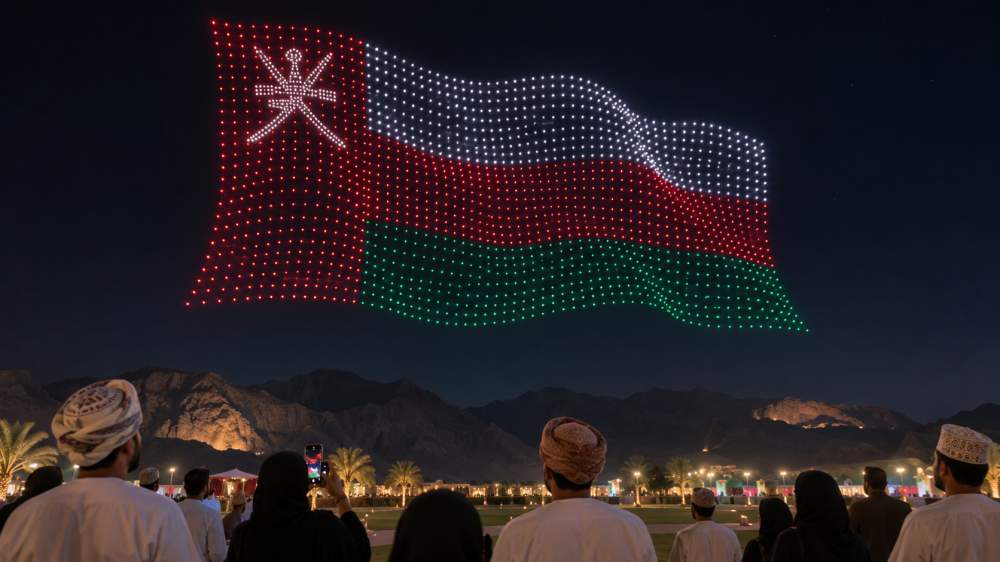





“It is a country where archaeology, geology, mountains, deserts, marine biodiversity, living traditions, and outdoor adventures can all become part of the same travel experience” — Dr Laura Petralia -
Oman welcomed 2.5 million visitors in the first eight months of 2026, according to the National Centre for Statistics and Information (NCSI). What they found was not a single destination but many: with its rich diversity of offerings, Oman is fast becoming one of the region's most compelling specialised travel destinations.
The recognition is arriving too. Al Jabal Al Akhdhar has been chosen as GCC Tourism Capital for 2027, and the country is exploring numerous ways to develop tourism further, from heritage buildings to data, digital platforms and smart technologies.
Underneath it all is a deliberate choice. Oman's pristine natural habitats, rich marine life and unique geological wonders are preserved to protect its biodiversity — one reason the country focuses on low-impact, sustainable tourism rather than mass tourism, safeguarding delicate ecosystems and local traditions alike. Eco-tourism is a speciality of Oman, but so are heritage and cultural tourism.
Through a historian's eyes
Dr Laura Petralia, an Italian art historian and professor who specialises in cultural and archaeological tourism in Oman, puts it simply. “Based on my personal and professional experience in Oman, I believe that one of the country's greatest strengths as a tourism destination is the extraordinary diversity of experiences it offers. What I particularly appreciate about Oman is the possibility of exploring different aspects of its natural, cultural and historical heritage, often within the same journey”, she says.
Cultural and heritage tourism is the experience she values most: a combination of historic forts, traditional villages, ancient towns, souqs, museums and living cultural traditions that reflect the country's identity and its deep connection to the past. “Closely related to this is archaeological tourism, a field of particular interest to me as an art historian and tourism professional. Oman has an exceptionally rich archaeological heritage, including Bronze Age and Iron Age settlements, ancient burial sites, historical trade routes, and evidence of cultural exchanges with other civilisations over thousands of years.”
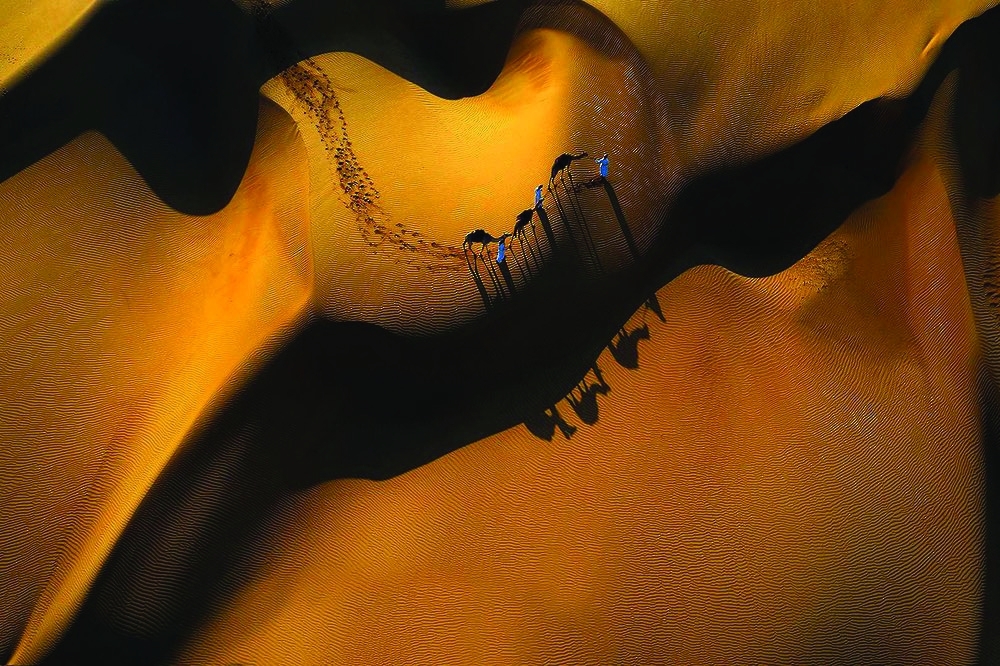
She recommends adventure and nature-based tourism too, from wadis and mountain trails to desert landscapes and off-road journeys. “The Sharqiya Sands, for example, offer a completely different environment from the mountains of Al Jabal Al Akhdhar and Jabal Shams, where spectacular scenery can be combined with trekking, traditional agriculture, village life, and encounters with local communities”, she points out.
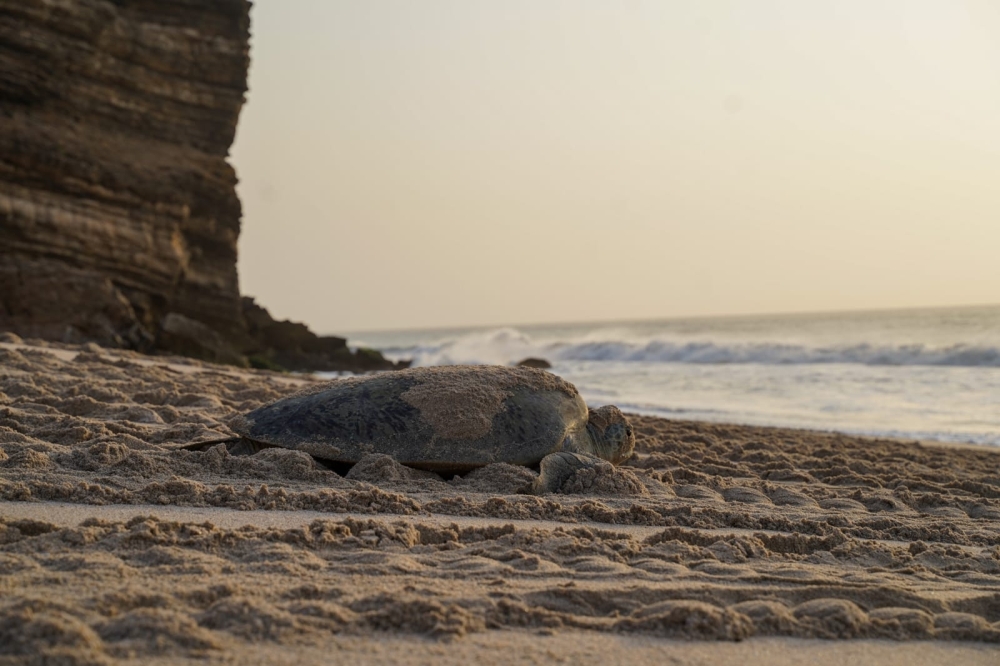
Then there is the call of the ocean. “What I find particularly fascinating is its marine and coastal tourism. The country's extensive coastline, overlooking the Arabian Sea, the Gulf of Oman, and the wider Indian Ocean, supports remarkable marine biodiversity. Diving, snorkelling, dolphin watching, traditional dhow experiences, and other marine activities are among the experiences to be cherished”, she says. Beyond recreation, she believes Oman's coral habitats, protected areas and diverse coastal environments offer excellent ground for marine education and responsible, conservation-minded tourism — and its mountains, deep wadis, caves, sinkholes and ancient rock structures give geological tourism a fascinating dimension of its own.
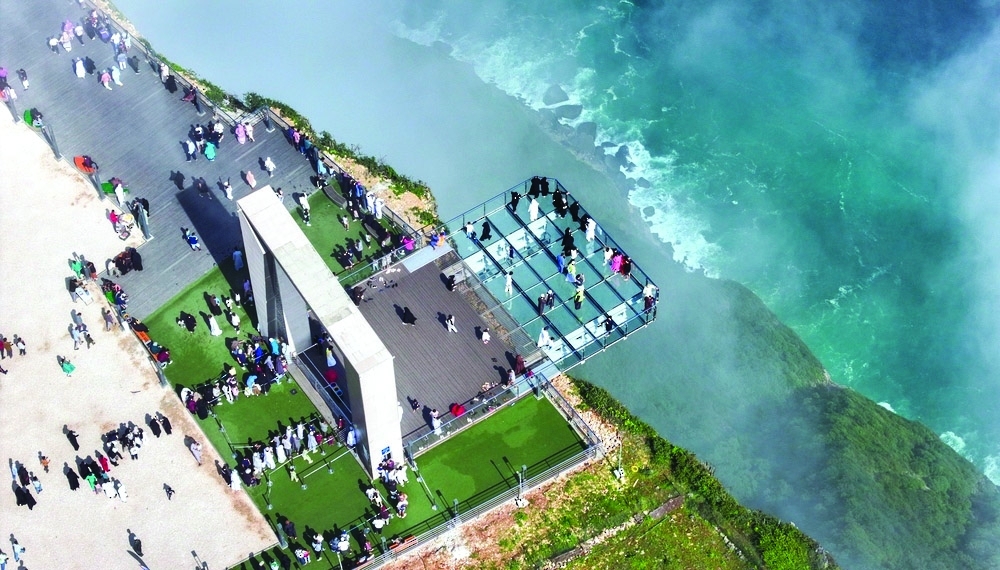
“From my professional perspective, I strongly believe that one of the greatest opportunities for Oman's tourism development lies in its extraordinary archaeological and cultural heritage, whose full potential has yet to be explored, recognised and effectively communicated to international visitors”, she says. “These places tell extraordinary stories about the communities and the commercial and cultural connections they established with other regions of the ancient world. I believe these stories can also be part of the country's tourism narrative, moving beyond conventional sightseeing itineraries towards experiences that encourage visitors to understand Oman through its history, landscapes, and cultural identity.”
That conviction has become a long-term project: she has been developing thematic day tours, multi-day archaeological journeys and specialised educational programmes that connect archaeological sites with landscapes, history, local communities and traditional knowledge.
New paths
Hassan al Lawati, who works in the health sector, took up hiking during the Covid years. “There was nothing else to do and nowhere to go. I felt nature was the best option”, he says. What began as a way to pass time soon became a passion. “The most beautiful experience I have had in my life — that is how I would describe my hiking experience. Basically, the most amazing thing is you get disconnected from the phone, the electronics, people, and bad habits. In addition, you become attached to the beauty of Oman's nature. Another aspect is that you can clean your mind from your routine life”, he explains.
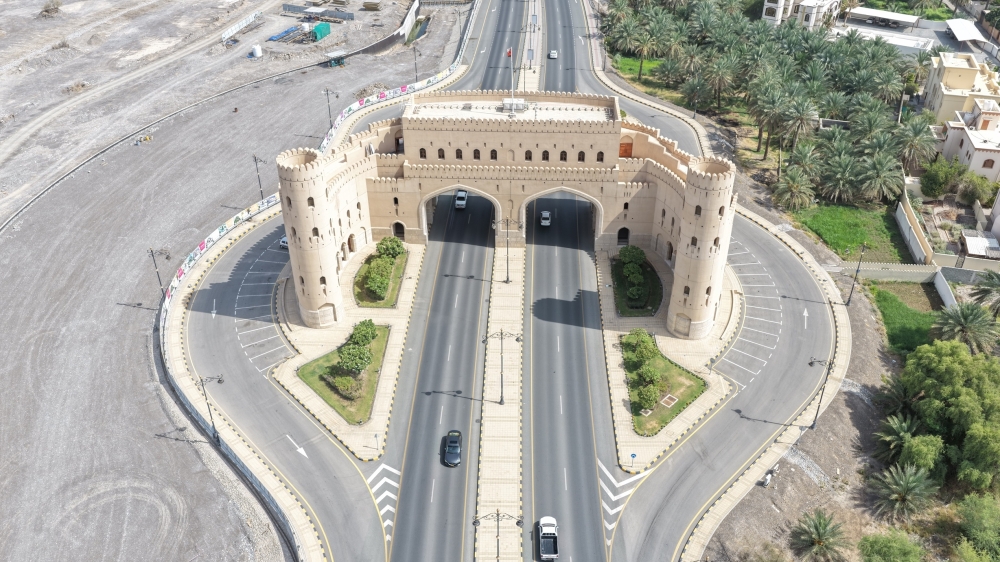
At the newly inaugurated Wajmah Resort, project manager Jitka Mulacova sees both the promise and the work still to do. “Our place is more about heritage tourism, but we have some ecological aspects as well”, she explains. “Oman has a lot of potential for ecotourism, and still a lot more can be done when it comes to the usage of plastics and other recycling measures. Many European visitors are surprised to see the number of small plastic bottles being used daily — whereas in many places it would be possible to replace them with cups and reusable bottles. In Wajmah, we are leading such an example with our mountain spring, drinking water treatment facilities, and zero plastics.”
What travellers want
Tourists, in short, would like to discover Oman not simply as a destination but as a living cultural landscape. “They may include exploring traditional villages and historic settlements, sharing meals with local families, discovering authentic Omani cuisine and the culinary traditions passed down through generations, and learning about agricultural practices and the ancient aflaj irrigation systems that have sustained communities for centuries”, explains Dr Petralia.
Equally important, she adds, is the chance to experience Oman's traditional craftsmanship and ancestral skills, many of which remain an essential part of the country's cultural identity — traditional weaving techniques, pottery making, the art of building wooden dhows and other historic trades, preserved and transmitted across generations.
Selling Oman to the world
The Ministry of Heritage and Tourism is working on the other side of the equation. On the sidelines of its participation in World Travel Market (WTM) London 2026, it launched the Oman Tourism Hub, a digital platform to empower local and international partners — giving travel companies and tour operators the information and tools to design and market tourism experiences built on the diversity of Oman's assets.
Sayyid Ibrahim bin Said al Busaidi, Minister of Heritage and Tourism, met Jan Tissera, International President of Amadeus, to discuss digital transformation in the sector — leveraging modern technologies, platforms and data solutions to sharpen tourism marketing, develop the visitor experience and lift Oman's competitiveness in global markets. He also met Andrew Van Der Feltz, Chief Officer for Global Business Development at Expedia, on converting digital promotion into actual bookings from targeted countries.
The minister further conducted field visits to the Southbank Centre, the headquarters of Foster + Partners and the Battersea Power Station project, studying leading experience in the development of cultural destinations and the adaptive reuse of heritage buildings.
“Ultimately, what I enjoy most about Oman is that it is not a destination defined by a single type of tourism”, says Dr Petralia. “The true value of Oman lies not only in the beauty of its landscapes but also in the stories behind them, and in the opportunity to transform a journey into a deeper understanding of the country, its people, and its extraordinary heritage.”
Oman Observer is now on the WhatsApp channel. Click here