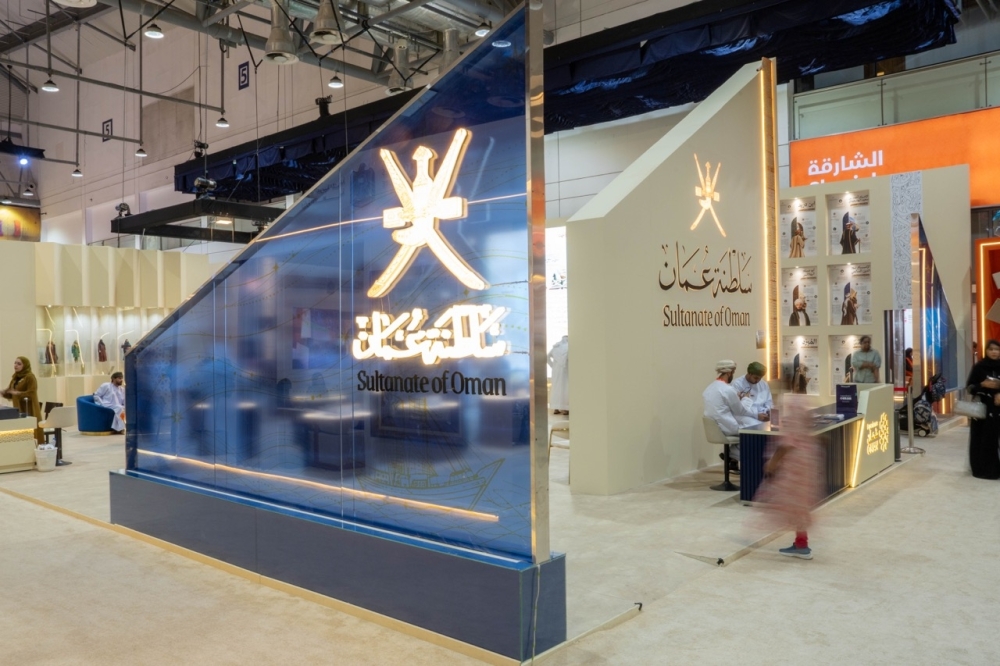


A child can become a halwa maker, wooden boat builder or rose picker through a personalised portrait at the Public Children’s Library corner in Oman’s pavilion at the 45th Sharjah International Book Fair.
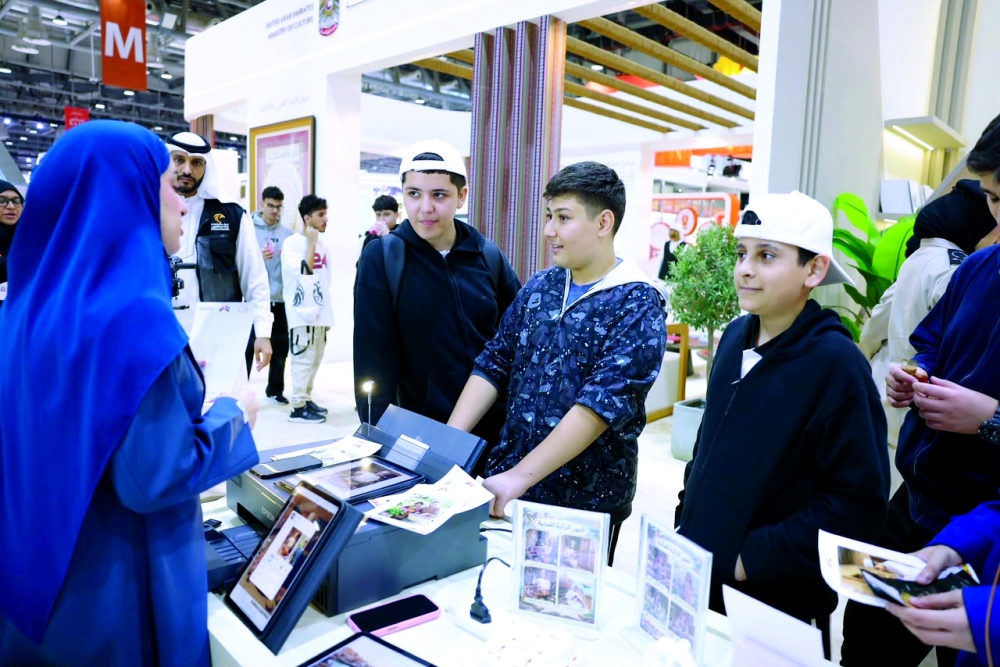
Using artificial intelligence, the activity transforms photographs into scenes inspired by traditional Omani occupations. Children choose a role they would like to explore and receive a printed picture to take home, placing themselves within a visual representation of the country’s cultural heritage.
The experience is among several activities combining technology and culture at the corner, where young visitors can also watch a 3D printer at work and use 3D pens to create designs of their own.
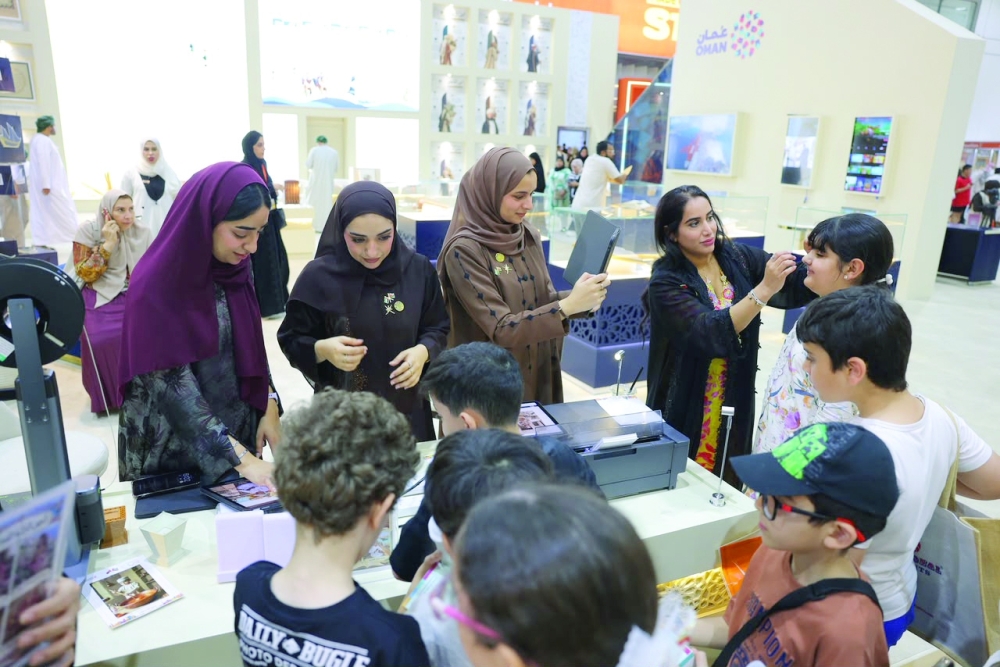
Abeer al Kiyumi, from the Public Children’s Library, said the activities aim to encourage children to engage with modern technologies, including AI and 3D printing, while introducing them to elements of Omani heritage.
The corner has attracted considerable interest from school students, many of whom are already familiar with these technologies through their classrooms. However, transforming their photographs into personalised portraits has been particularly popular, she said.
Maryam al Jardani, from the library’s innovation corner, explained that children are photographed before selecting a traditional occupation or activity. Their images are then transformed using AI and printed as keepsakes.
The choices include making Omani halwa, building wooden boats and picking roses. Among participants, boys have most frequently selected halwa-making, while girls have tended to choose rose-picking, she said.
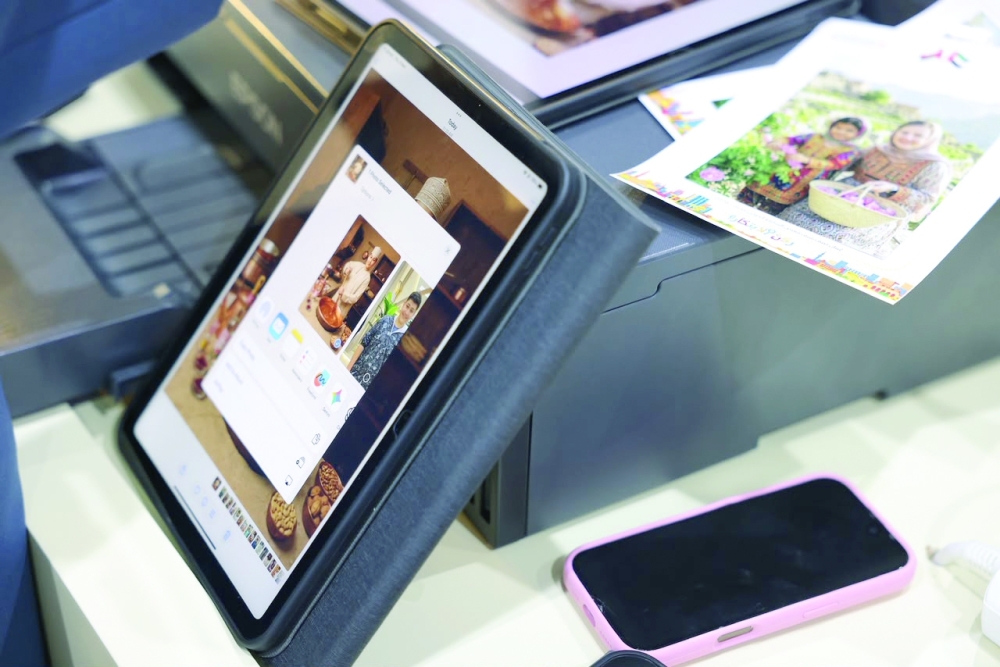
Each activity introduces children to an occupation associated with Oman’s cultural heritage and the traditions that have shaped life across different parts of the country.
Rose-picking, for instance, reflects the seasonal harvest on Al Jabal Al Akhdhar, where blossoms are gathered to produce rose water. The tradition connects the mountain’s agricultural landscape with practices and skills passed down through generations.
Wooden boat building draws on Sur’s longstanding maritime heritage and reputation for constructing traditional vessels, including dhows. The activity introduces children to the craftsmanship associated with Oman’s relationship with the sea and its history of sailing and trade.
Meanwhile, halwa-making represents one of Oman’s most prominent traditional crafts, closely associated with hospitality, family gatherings and social occasions. Through these choices, children can picture themselves participating in familiar aspects of Omani cultural life.
For young visitors, the portraits offer a personal starting point for discovering these traditions. Rather than simply viewing an occupation through an illustration, they see their own image placed within a scene representing it, making the experience both interactive and memorable.
Elsewhere in the corner, the focus shifts from digitally transformed photographs to objects taking shape in three dimensions.
Safana al Maskari, from the library, said a 3D printer operates throughout the activities, producing objects such as models of Omani incense burners and forts. Children can observe the process and learn how the equipment works, gaining an introduction to how digital designs are transformed into physical objects.
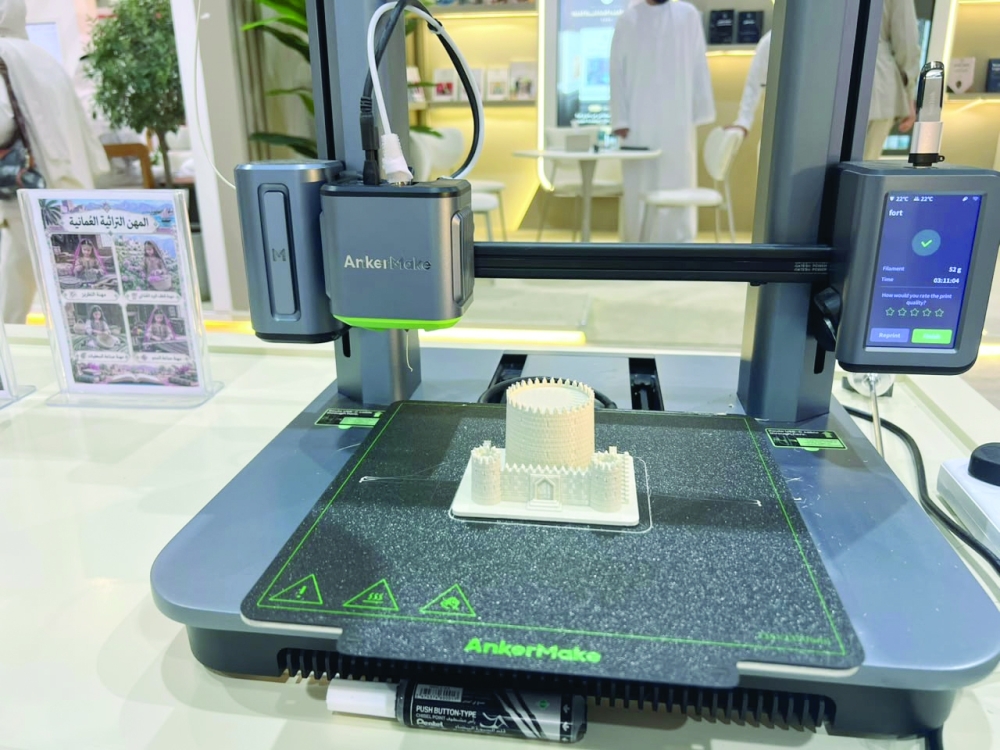
For hands-on participation, visitors are also provided with 3D pens, allowing them to create three-dimensional versions of the Omani and UAE flags.
Al Maskari explained that the pens were selected because they are easier and quicker to use than the printer, giving children the opportunity to complete their designs during their visit.
While watching the printer introduces children to the process of producing an object, the pens allow them to participate directly and take ownership of their creations.
Together, the activities bring different aspects of Omani identity into one space, from traditional occupations and agricultural practices to architecture and familiar household objects.
By combining technology with creativity and participation, the Public Children’s Library corner offers young visitors an engaging way to discover the country’s heritage, encouraging them to explore traditional crafts through contemporary tools while taking home a tangible reminder of their experience.
Oman Observer is now on the WhatsApp channel. Click here