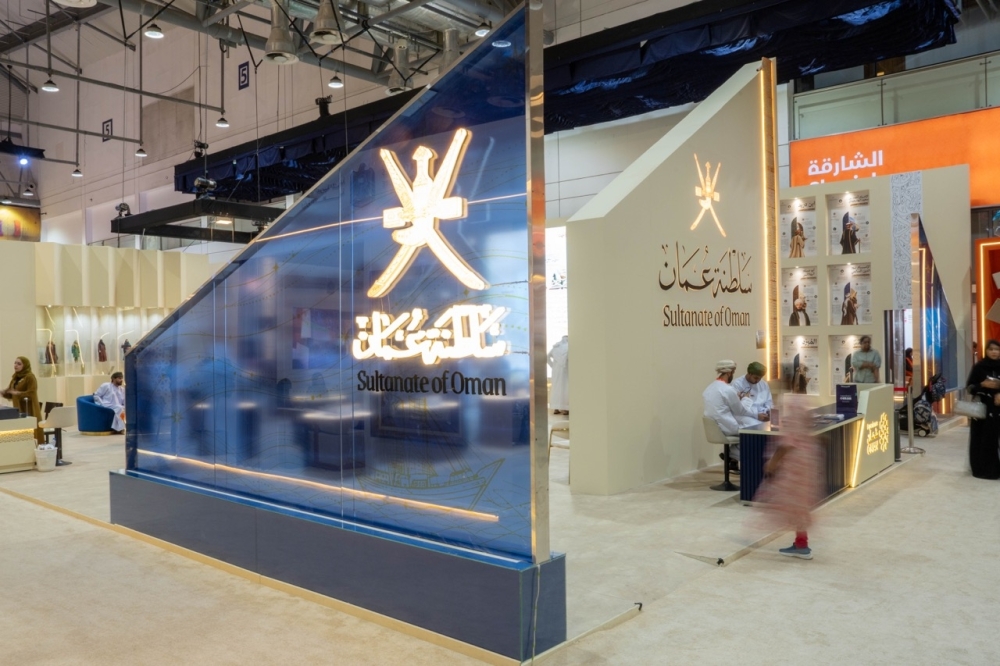


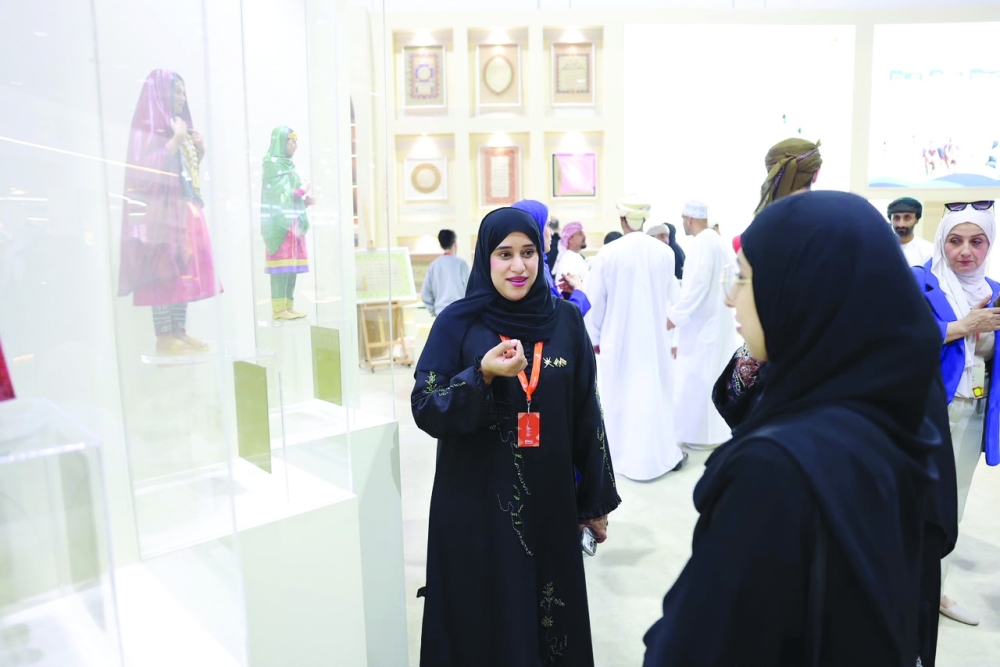
Six three-dimensional figures showcasing traditional Omani dresses are drawing visitors to the Sultanate of Oman’s Guest of Honour pavilion at the 45th Sharjah International Book Fair, offering a glimpse into the country’s diverse clothing traditions.
Created by Omani artist Said al Dhuhli, the figures highlight regional differences in embroidery, fabrics, silhouettes and face coverings, prompting visitors to explore the stories and customs behind each outfit.
Amaal Mohammed al Maawali, Head of the Fine Arts Section at the Ministry of Culture, Sports and Youth’s Department of Visual Arts, said the display had attracted visitors of different ages and nationalities, many curious about the craftsmanship behind the figures.
The collection features six styles: the Muscati thawb, Sur costume, clothing associated with Al Buraimi and Musandam, Al Wusta dress, Baluchi costume and Dhofari dress.
Al Maawali explained that the Muscati thawb is distinguished by colourful, shiny fabrics, often silk or cotton, with gold or silver zari embroidery around the sleeves and collar.
The Suri outfit, meanwhile, is recognised for its delicate fabrics, precise tailoring and elaborate embroidery, much of which is completed by hand.
Traditional clothing from Al Buraimi and Musandam comprises several elements, including the kandoura, thawb, shaila, burqa, sirwal and abaya.
The Al Wusta style reflects the region’s Bedouin heritage, with darker colours and distinctive face coverings. Its burqa, also known as the battoulah, is traditionally made from dark indigo or black fabric and is particularly associated with married women.
The Baluchi outfit, commonly found in Muscat and North Al Batinah, features extensive embroidery across the dress, headscarf and trousers. Its triangular chest design and closely spaced side pleats are among its distinctive details.
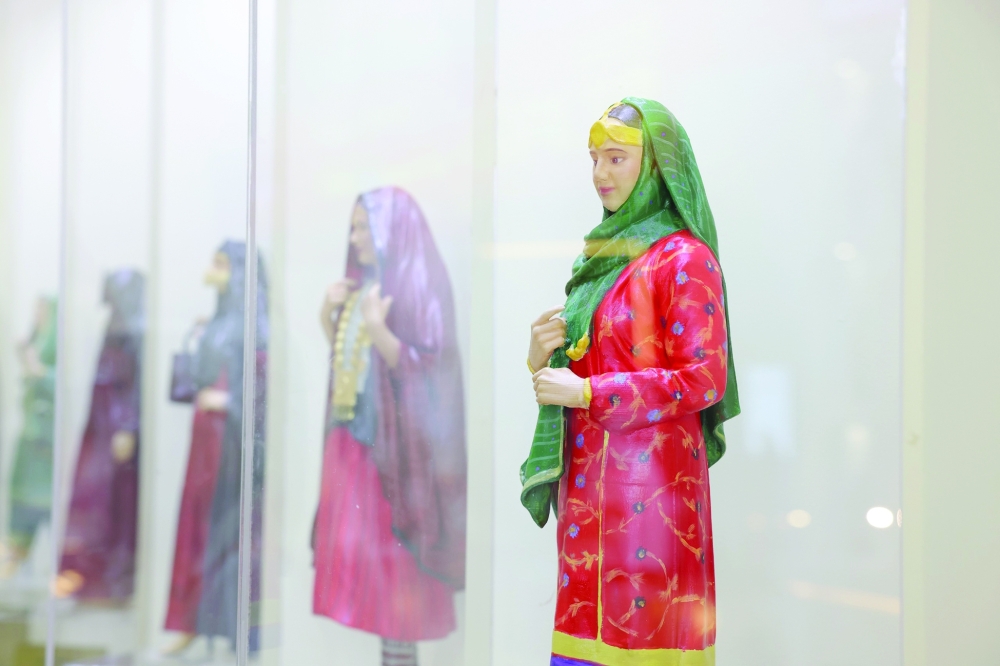
Dhofari dress, in contrast, is characterised by its flowing silhouette, loose cut and long back train. Bright fabrics, velvet and intricate hand embroidery give it an elaborate appearance.
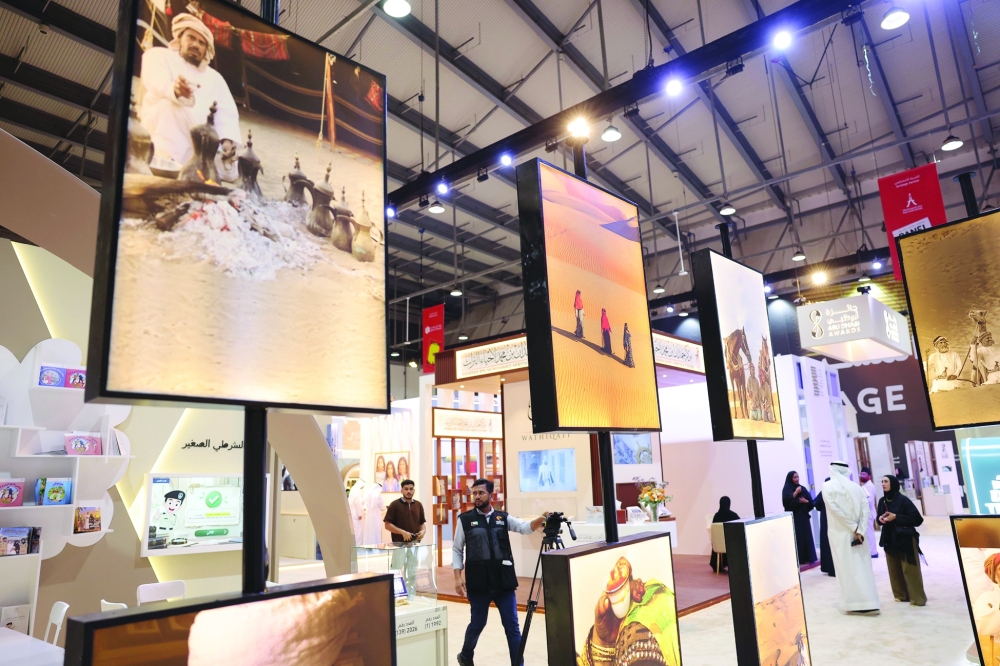
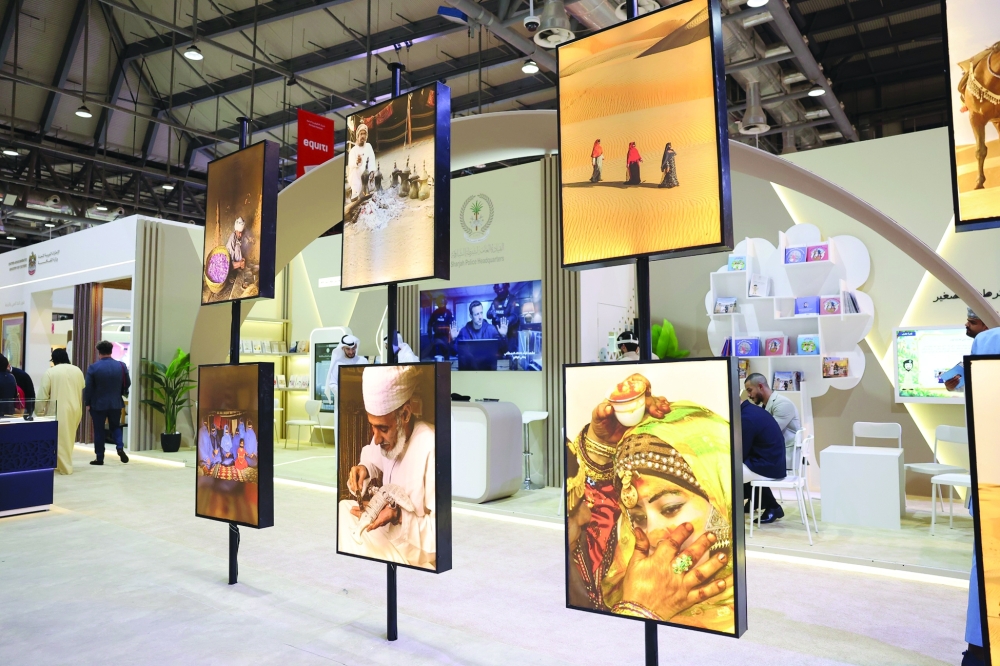
Alongside the figures, 20 photographs showcase other aspects of Omani identity, including khanjar-making, coffee, everyday life and traditional clothing for men and women.
Al Maawali said visitors had shown particular interest in understanding why colours, designs and the use of burqas differ between regions.
Through the display, the pavilion offers more than a visual presentation of traditional clothing, turning each garment into an opportunity to discover the cultural heritage and regional identities that shape Oman.
Oman Observer is now on the WhatsApp channel. Click here