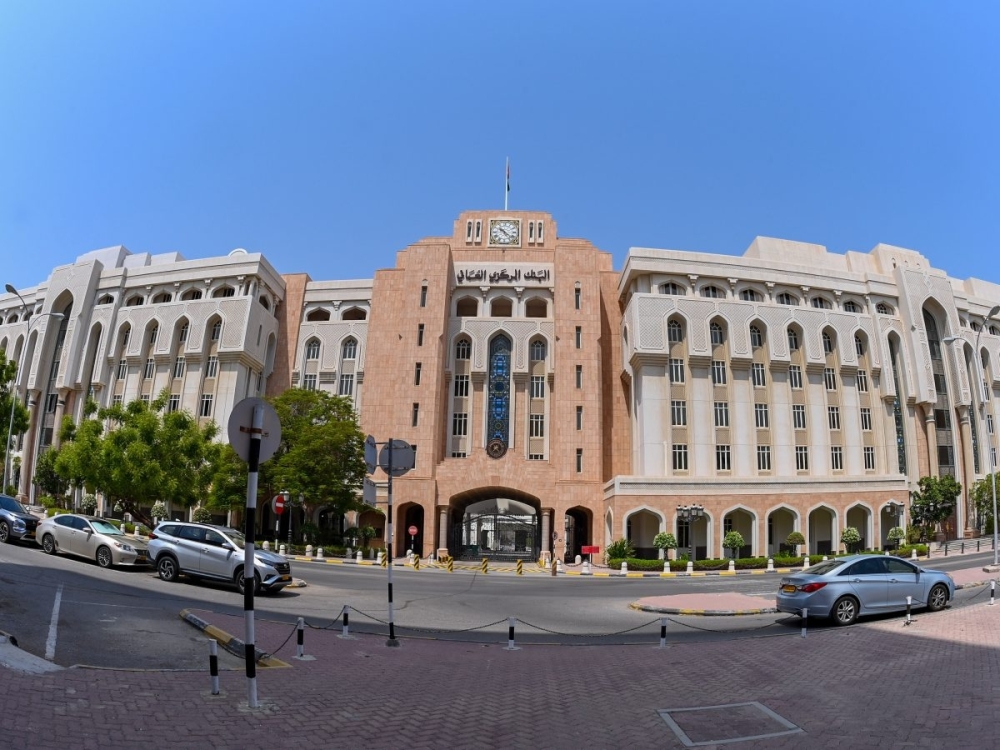


Muscat: The 2026 Financial Stability Report, issued by the Central Bank of Oman (CBO), affirms that the financial system in the Sultanate of Oman has continued to demonstrate resilience and an ability to withstand shocks, despite rising global uncertainty. The report reviews key developments in financial stability, emerging risks, and policies aimed at strengthening the soundness and stability of the financial system.
Banking
The report notes that the banking sector has maintained strong performance and resilience, supported by robust capital levels, profitability, liquidity, and high asset quality. The banking sector sustained a capital adequacy ratio of 18.8 percent and a liquidity coverage ratio of 195 percent, while the non-performing loan ratio stood at approximately 4.4 percent.
The return on assets and return on equity was recorded at 1.5 percent and 10.1 percent, respectively. Furthermore, stress test results confirm the banking sector’s capacity to absorb adverse shocks while maintaining capital and liquidity levels well above regulatory requirements.
Improvement
The report also highlights the continued improvement of the macroeconomic and financial environment in the Sultanate of Oman, underpinned by prudent fiscal policies, a strengthened external position, and enhanced fiscal sustainability. These developments have contributed to upgrades in the Sultanate’s sovereign credit ratings by international rating agencies, bolstering confidence in the robustness of the Omani economy and its capacity to navigate challenges. In this context, the composite Financial Stability Index continued to record positive levels, reflecting improved macroeconomic conditions, strong performance in the banking sector, and lower systemic risk levels. Furthermore, the results of the systemic risk survey indicated that market participants remain confident in the stability and resilience of the Omani financial system, even as their awareness of global and domestic risks has grown.
The report highlighted continued growth across various components of the financial sector; specifically, Islamic banking assets rose by 9.9 percent, accounting for 19.6 percent of the total assets of the banking sector.
Credit conditions
The report noted that credit conditions remain favorable for supporting economic activity. Demand for credit from both corporates and individuals is expected to stay robust, supported by the continued application of prudent lending standards. Meanwhile, the non-bank financial institutions sector also grew, with its assets increasing by 9.0 percent; however, as its overall size remains relatively limited, it continues to pose only a constrained level of systemic risk to the financial system.
Given the rapid expansion in the digitalization of financial services, the report emphasized that strengthening cyber resilience has become a key focus for regulation and supervision. In this regard, the Central Bank of Oman continues to develop its regulatory frameworks and enhance the financial sector’s preparedness to address cyber risks, thereby contributing to the preservation of financial stability. The report indicates that geopolitical developments, uncertainty surrounding global trade policies, cyber threats, and mounting external risks in the period ahead necessitate the continued adoption of a proactive approach to safeguard financial stability.
The Central Bank of Oman reaffirms its commitment to maintaining financial stability by implementing proactive macroprudential policies, strengthening risk-monitoring systems, and developing a forward-looking regulatory and supervisory framework—all of which serve to bolster the resilience of the financial system and foster sustainable economic growth.
The report provides a comprehensive assessment of the resilience of the financial system in the Sultanate of Oman. It examines key risks that could impact financial stability, reviews major developments within the financial sector, outlines the policies implemented to preserve financial stability, and addresses emerging risks as well as the responses and policy measures aimed at strengthening the stability of the financial sector.
Oman Observer is now on the WhatsApp channel. Click here