


Envy is as old as humanity itself. It can take the destructive form of wishing others to lose their blessings, or the gentler form of admiration, in which people desire similar success without wishing anyone harm.
Poets have long faced envy, particularly those whose talent earned them fame, wealth and favour at royal courts. Celebrated Arab poets, including Al Mutanabbi,
Al Buhturi and Abu Tammam, wrote about the hostility their success attracted.
Omani poets shared this experience. Although historical records rarely identify their rivals, their poetry preserves vivid accounts of jealousy, resentment and intrigue.
Seven poets, spanning different periods of Omani history, offer particularly revealing examples.
Dignity in the Face of Envy
Abu Bakr al Sattali encountered considerable hostility, yet responded with patience, pride and confidence in his poetry.
He wondered why others hated him despite his kindness:
How strange the hatred that they show,
When kindness is the only seed I sow.
He believed his virtues and literary achievements troubled his enemies:
My virtues pierce the envious heart,
Like needles driving deep their dart.
Rather than becoming consumed by rivalry, Al Sattali sought greater achievements and the company of rulers who appreciated his work. Their generosity strengthened his position and intensified his rivals’ frustration.
For him, the best response to envy was continued success.
The Pain of Slander
Musa bin Hussein al Kidhawi also addressed his enemies directly, reminding them that their schemes brought them little satisfaction:
O envious one, your schemes are vain,
They bring you nothing more than pain.
Your words can cause my soul no fear,
While faith keeps God and me sincere.
His experience was especially difficult because he depended on the generosity of rulers. At times, he waited for gifts while his family struggled with poverty.
He suspected that jealous rivals had poisoned his patrons’ opinions through gossip and false accusations.
In one poem, he appealed to his patron to disregard such rumours, recalling the ancient story of Cain and Abel as an example of envy’s destructive power.
When royal generosity finally reached him, he celebrated his good fortune and imagined his rival choking with resentment.
Praise Despite Opposition
During the Al Yaaruba period, Bashir al Fazari expressed similar concerns.
He complained when an imam failed to answer his appeals and wondered whether malicious rivals had damaged their relationship.
Yet he remained determined to praise his patrons:
With robes of praise I shall adorn your name,
Though envious eyes shed tears of shame.
The generosity he received, he suggested, relieved his own financial worries while leaving his enemies burdened by sorrow.
Above the Critics
Under the Al Busaid State, Hilal Bani Araba portrayed his detractors as insignificant figures attempting to diminish someone beyond their reach.
He compared himself to a constellation high in the heavens and his rivals to stones on the ground.
His imagery was especially striking:
Let angry dogs bark at the stars on high,
Their cries shall never trouble heaven’s sky.
The message was clear: criticism from the envious could never diminish genuine achievement.
Success as the Answer
The historian and poet Humaid Ibn Ruzayq frequently referred to jealousy in his verse.
His closeness to the Sultan, together with his eloquence and poetic ability, attracted resentment.
Yet he found reassurance in royal favour:
My rivals burn in grief and pain,
While I in gardens of grace remain.
Ibn Ruzayq regarded his command of language as a source of distinction. He believed his enemies resented both his literary gifts and the rewards they brought him.
His response was to continue writing accomplished poetry and enjoying the confidence of his patron.
Religious Response
The poet and judge Salim al Darmaki approached envy from a religious perspective.
Known for his loyalty to Omani rulers, he received generous gifts, including a house in Barka from Sayyid Hamad bin Said.
He reminded his enemies that all blessings ultimately came from God:
Envy me however you may,
My Lord provides from day to day.
He also urged them to remember the uncertainty of life and the inevitability of death.
Confidence in Royal Favour
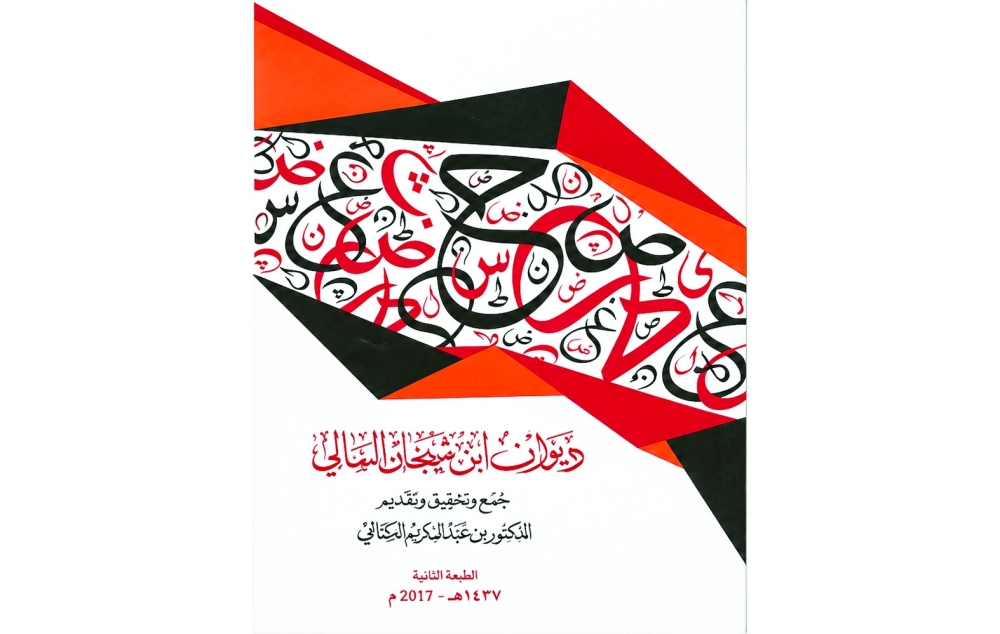
Mohammed bin Shaikhan al Salmi enjoyed considerable standing at the courts of Omani rulers.
His praise poetry brought him recognition and rewards, attracting the resentment of rivals.
He expressed his confidence in a verse addressed to his patron:
Your generous favour shall be my pride,
And leave the envious unsatisfied.
Across the Nabhani, Al Yaaruba and Al Busaid periods, envy remained a recurring theme in Omani court poetry.
The identities of most rivals have disappeared from history, leaving the poets’ verses as the principal evidence of these conflicts.
What stands out is the restraint of their responses. Despite their resentment, these poets generally avoided vulgar attacks, answering hostility through dignity, faith, artistic achievement and confidence in their patrons.
Their poetry offers a revealing glimpse into the rivalries surrounding literary fame and royal patronage, while preserving an enduring lesson about the human cost of envy.
Adapted and translated by Badr al Dhafari
This is an adapted translation of the original Arabic article published in the print edition of the cultural supplement of the Oman Daily newspaper on October 29, 2026.
Hassan al Matrooshi. The writer is a poet
Oman Observer is now on the WhatsApp channel. Click here