


“He was healthy, except for high blood pressure”. How often have we heard such a statement after losing someone we love? Yet, behind these seemingly harmless words may lie a silent condition capable of bringing a life to an unexpected end.
Unfortunately, hypertension is often underestimated. Many people consider it an unwelcome guest that will leave after a short visit. However, in reality, this silent guest may stay for years, gradually damaging blood vessels and vital organs without giving any warning signs.
Blood flows through our blood vessels much like water flowing through pipes. Just as water needs pressure to move through pipes, our blood needs pressure to circulate throughout the body.
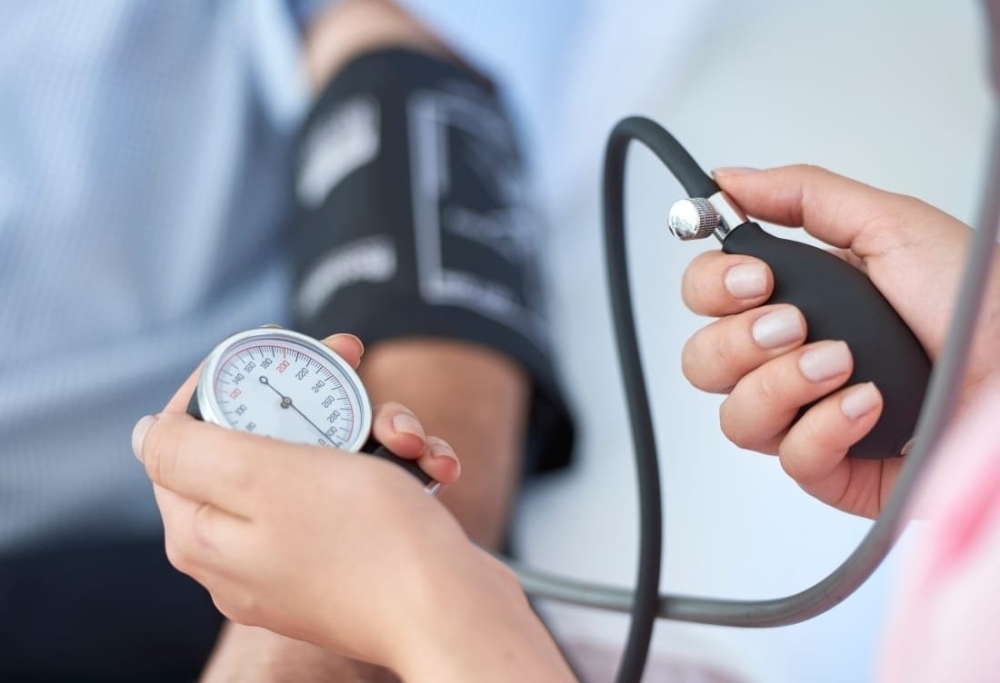
When blood pressure remains higher than normal, it is known as hypertension. According to American medical guidelines, high BP may be diagnosed when repeated measurements show an upper reading of 130 or higher, or a lower reading of 80 or higher, as displayed on a blood pressure monitor.
Several factors can contribute to hypertension, including age, family history, certain medical conditions, and medications. However, our daily habits also play an important role. Eating too much salt, being physically inactive, and following an unhealthy diet can increase the risk of developing high blood pressure. Importantly, even people who follow a healthy lifestyle can develop hypertension due to factors beyond their control.
Our blood vessels can initially adapt to high blood pressure. However, over time, the continuous pressure can gradually damage their walls, affecting blood flow to vital organs. Although hypertension is not the only cause of these complications, it is one of the major contributing factors. High blood pressure can increase the risk of narrowing and blockage of blood vessels, potentially leading to a heart attack or stroke. It can also increase the risk of serious bleeding, particularly in the brain. Unfortunately, some of these complications can occur suddenly, without any previous warning signs.
High blood pressure can affect both the heart and kidneys over time. These two organs work closely together, and damage to one can sometimes worsen the function of the other.
Taking the first step is often the hardest part of any journey. However, when it comes to preventing the complications of hypertension, that first step is simply checking your blood pressure.
The absence of symptoms does not necessarily mean that your blood pressure is normal. The numbers shown on a blood pressure monitor can reveal what your body may not be telling you.
Checking your blood pressure regularly is one of the simplest ways to detect hypertension early. Once your blood pressure readings remain high on several occasions over different days, it is time to knock on a healthcare professional’s door for proper assessment. However, seeking medical attention should not be based on blood pressure numbers alone. Symptoms such as chest pain or sudden shortness of breath require immediate medical attention, even when your blood pressure readings are normal.
Whether you have hypertension or not, a healthy lifestyle should always be part of your daily routine. Eating healthy food with less salt, staying physically active, and avoiding smoking are among the most important steps in preventing and controlling high blood pressure.
For those living with hypertension, two additional pillars, alongside a healthy lifestyle, are essential to keeping the condition under control: medication adherence and regular follow-up.
Remember, having hypertension is not the end of a healthy life. What matters is how well we control and reduce its risks. For patients who need medication, taking it regularly is essential.
These small pills may seem simple, but they play an important role in protecting our health and helping us live a normal, active life. Even when your blood pressure returns to normal, never stop your prescribed medications without discussing it with your doctor.
Finally, visiting your healthcare professional is not just about collecting prescriptions. Regular follow-up allows your doctor to check whether your blood pressure is well controlled, adjust medications when needed, and assess the health of important organs, such as the kidneys. These visits help ensure that your treatment remains on the right track.
Hypertension should never be underestimated simply because it often causes no symptoms. It may remain silent for years, but its consequences can be serious.
Remember, high BP is not just a number on a machine; it is a warning that deserves our attention. Recognising it early and taking action today can make a difference in our health tomorrow.
Oman Observer is now on the WhatsApp channel. Click here