

MUSCAT, NOV 2
Oman’s economy is projected to grow by around 4 per cent in 2026, supported by higher oil production and resilient non-oil activity, although regional conflict is increasing pressure on businesses, investment and the country’s economic outlook, according to the International Monetary Fund (IMF).
Dr Abdullah al Hassan, Head of the IMF Mission to Oman & Afghanistan, said the country’s medium-term economic prospects remained favourable despite heightened geopolitical risks and uncertainty surrounding the global economy.
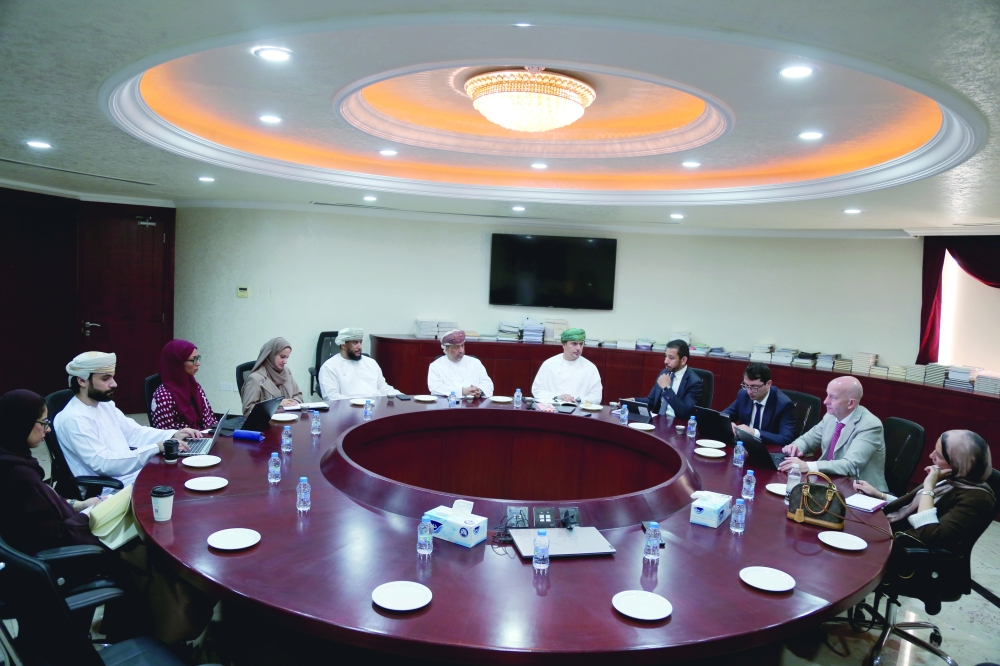
Speaking at a meeting with the Oman Economic Association (OEA) as part of the IMF’s Article IV consultations, Al Hassan said economic growth had accelerated on the back of increased oil output, stronger trade and re-export activity. However, tourism, manufacturing and construction had experienced some disruption, while higher imported food prices had added to inflationary pressures.
The IMF’s October projections put economic growth at approximately 4 per cent this year, with medium-term expansion expected to average around 3 per cent.
The outlook is supported by plans to increase oil production towards a capacity of 1.2 million barrels per day and continued growth in non-hydrocarbon activities as the effects of the conflict ease and economic reforms progress.
Al Hassan said the outlook had not changed significantly from last year’s assessment, but the risks surrounding it had increased.
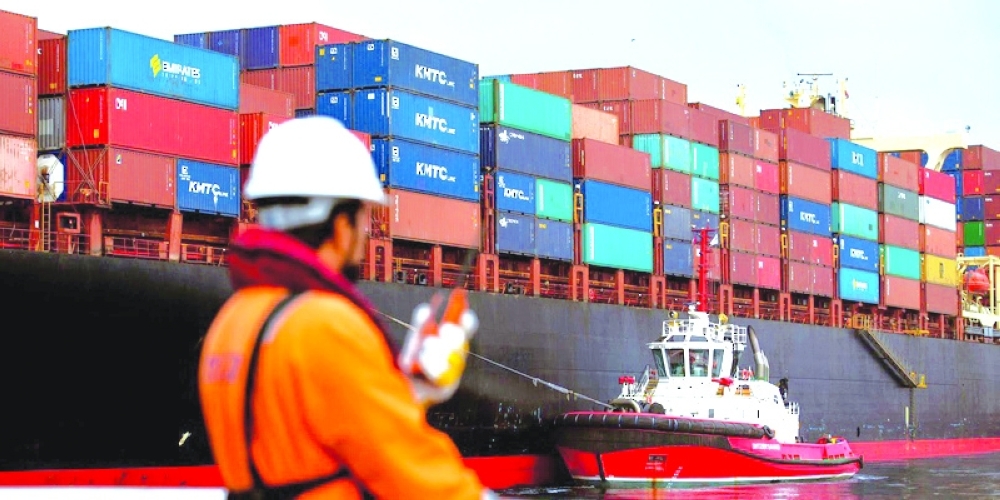
A prolonged regional conflict could weaken global economic activity, reduce tourism and foreign direct investment, disrupt exports and affect oil prices, with consequences for Oman’s fiscal and external balances.
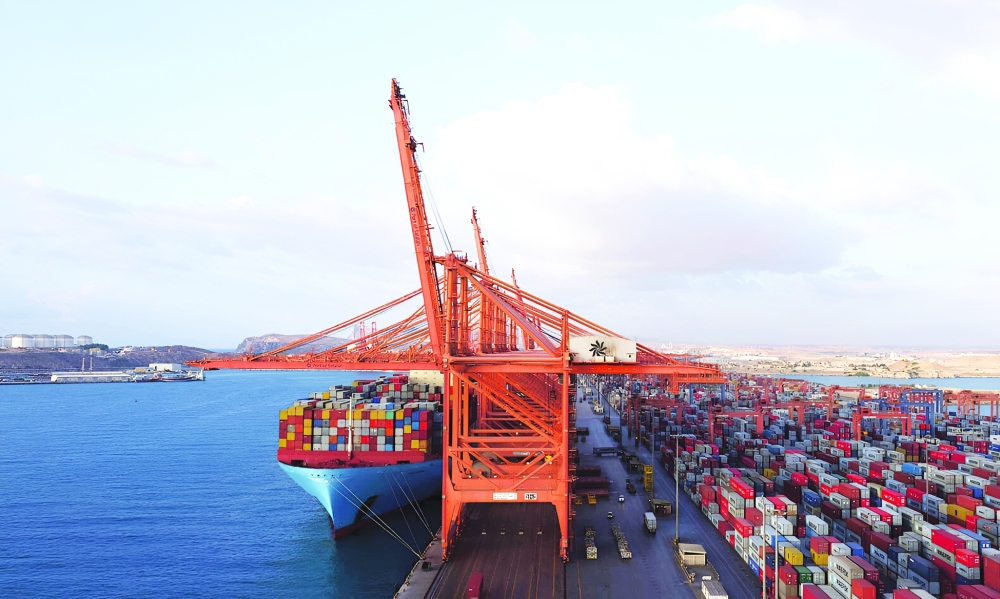
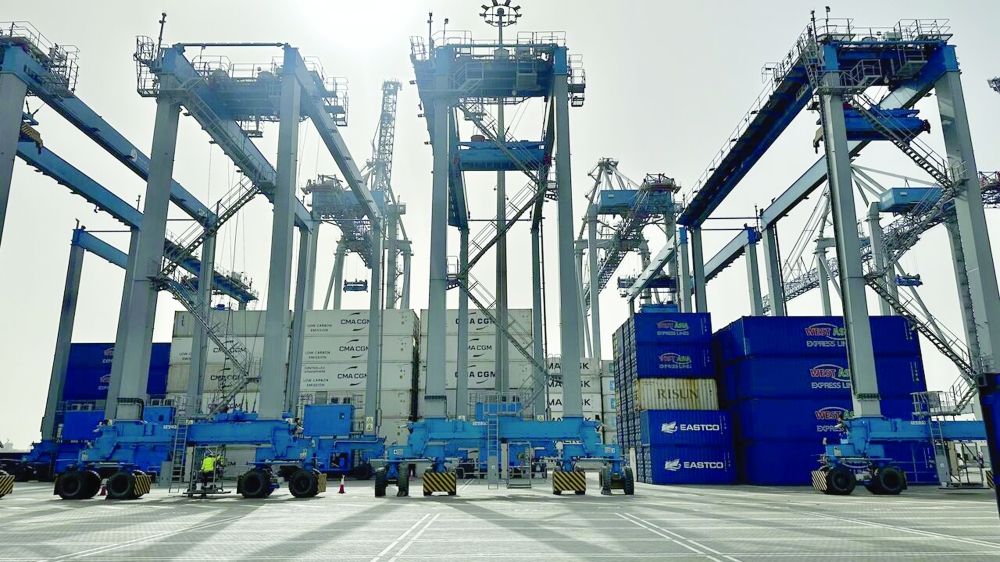
A faster resolution, on the other hand, could strengthen the outlook, particularly if accompanied by higher oil production, expanding logistics activity and closer regional economic integration.
HIGHER REVENUES SUPPORT FISCAL OUTLOOK
The IMF expects inflation to average around 3 per cent in 2026, while fiscal surpluses are projected to improve modestly, reaching approximately 5 per cent this year and next, supported by higher oil revenues and continued spending discipline.
Oman’s current account is also expected to return to surplus in 2026 after recording a deficit last year, with favourable oil prices and rising non-hydrocarbon exports supporting the improvement.
Despite the regional disruption, Al Hassan said Oman’s financial markets had remained relatively stable. Equity market levels had changed little compared with the week before the conflict began, while external borrowing spreads had improved.
The banking sector’s exposure to tourism, manufacturing and construction was estimated at 6 to 7 per cent, limiting its direct exposure to some of the industries affected by the conflict.
Al Hassan stressed that preserving economic stability would require continued reforms aimed at strengthening the country’s ability to withstand external shocks.
He identified four areas of analytical work undertaken by the IMF mission this year: reducing the state’s role in the economy, improving liquidity management, strengthening the management of fiscal surpluses and investing in infrastructure resilient to natural disasters. The liquidity management work is linked to the Central Bank of Oman’s efforts to strengthen the monetary policy framework.
On fiscal surpluses, the mission is examining international experience to help inform discussions about how Oman could manage additional government revenues over the medium term.
BUSINESSES FACE PRESSURES BEYOND INFLATION
Dr Khalid bin Said al Amri, Chairman of the Oman Economic Association, said the improvement in Oman’s economic indicators did not mean businesses were insulated from the consequences of regional instability.
He pointed to stronger stock market activity, higher trading volumes, fiscal surpluses and oil-supported growth as evidence of the economy’s resilience. However, he cautioned that higher oil prices, while benefiting government revenues, could also increase costs for some industries and weaken their competitiveness.
Al Amri said an inflation rate of around 3 per cent did not fully reflect the pressures facing businesses, particularly those dealing with higher costs and difficulties in securing products.
He also noted that regional geopolitical risks remained a concern despite the government’s efforts to reduce tensions.
The association, he said, was particularly interested in examining the challenges that headline macroeconomic indicators might not capture.
Al Amri also raised concerns about the gap between economic policy development and implementation.
Oman had made progress in establishing frameworks for social protection, green hydrogen, alternative energy and carbon emissions reduction, he said, but translating those policies into practical outcomes remained a challenge.
While reform objectives were generally understood at senior levels of government, difficulties could emerge within the administrative structures responsible for implementing them.
He called for greater attention to how policies were carried out by officials dealing directly with businesses and beneficiaries, arguing that effective implementation was essential to achieving the intended economic benefits.
Al Hassan said maintaining reform momentum would be particularly important as Oman navigated regional uncertainty and pursued its longer-term economic transformation under Oman Vision 2040.
Oman Observer is now on the WhatsApp channel. Click here