Sunday, November 01, 2026 | Jumada al-ula 20, 1448 H
broken clouds
weather
OMAN
26°C / 26°C
EDITOR IN CHIEF- ABDULLAH BIN SALIM AL SHUEILI

How voyagers Zheng He, Abu Obeid shaped Oman-China relations

minus
plus

In August 2023, the Chinese Embassy in Oman held a ceremony to issue commemorative covers marking the 45th anniversary of diplomatic relations between China and Oman. 


The cover features the treasure ships of Zheng He’s voyages 600 years ago and the wooden sailing ship 'Sohar' used by the famous Omani navigator Abu Obeid in his successful voyage from Sohar to Guangzhou about 1,300 years ago, commemorating the millennium-long friendship between the two nations.
No Image

No Image

No Image

In November 1980, the Omani sailing ship 'Sohar', which follows the design of the old wooden ships, retraced the navigation path of the Omani navigator Abu Obeid (who came to China from Sohar (now Suhar) in around 750 AD and arrived in Guangzhou in July of the following year. 


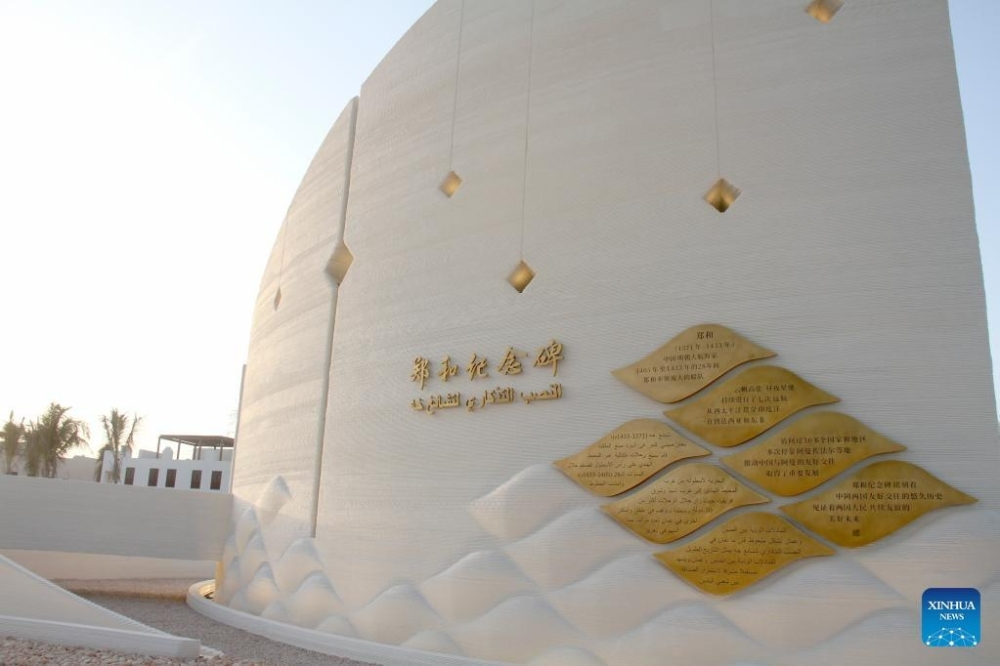
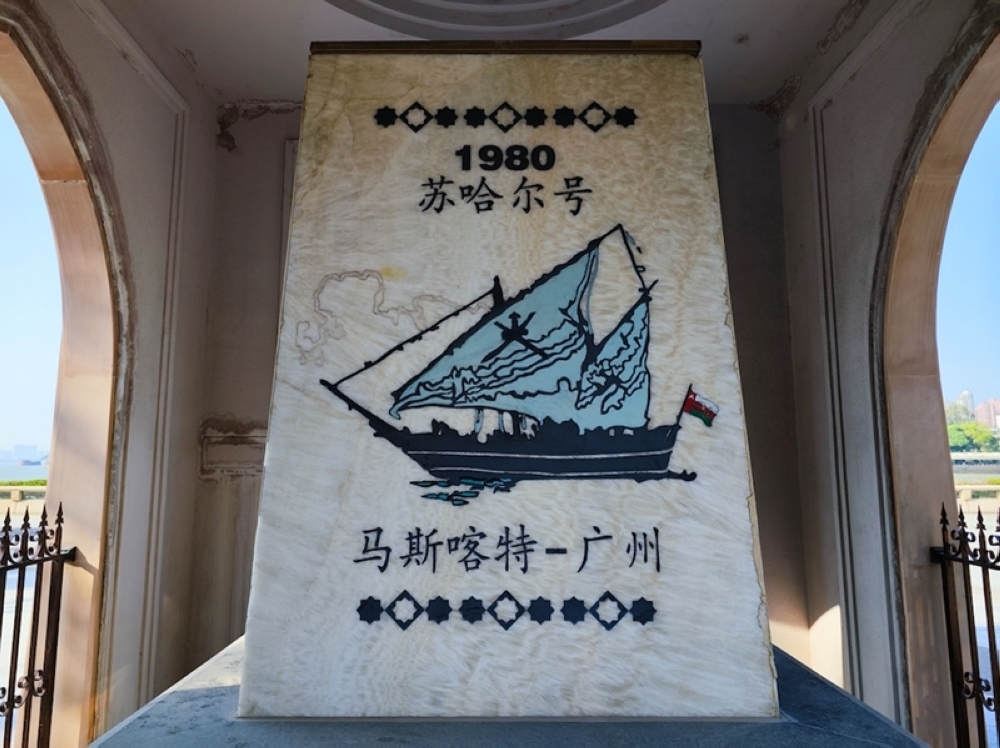
In December 1995, Oman funded the construction of the "Sohar" monument in Guangzhou. In January 2014, the "Sohar" reconstruction project was completed in Guangzhou. In May 2023, the Zheng He Monument was completed in Salalah City, Oman.

CONSTRUCTION

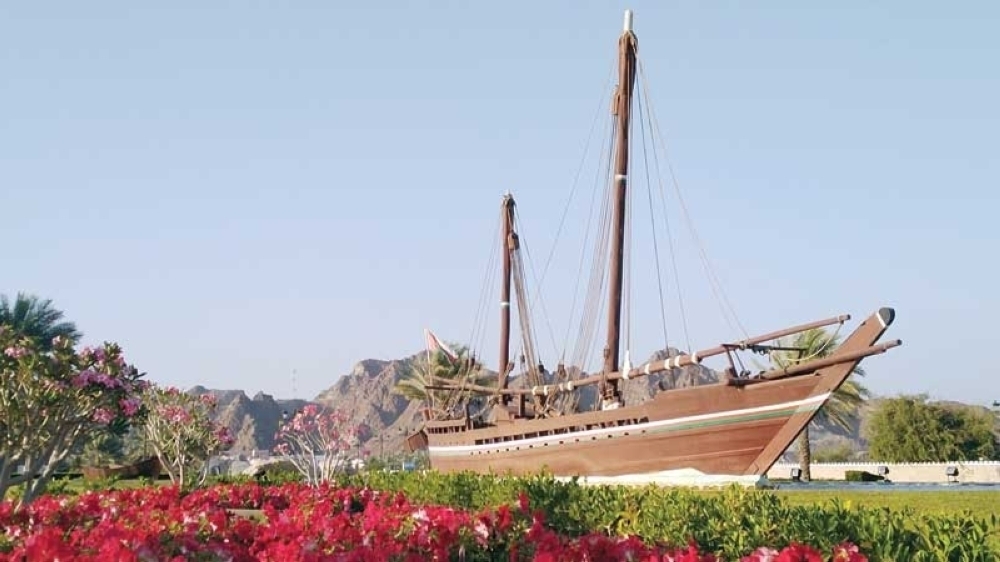
The Sohar is a replica ancient wooden sailing ship built by Oman to commemorate the establishment of diplomatic relations between China and Oman. 


Its hull was constructed using traditional shipbuilding techniques, without iron nails, with coconut coir ropes binding the wooden planks. In November 1980, the Sohar set sail from Muscat and along the route of the Ancient Maritime Silk Road, arrived in Guangzhou in July 1981, becoming a symbol of the traditional friendship between China and Oman.

In 1978, to commemorate the establishment of diplomatic relations between China and Oman, Late HM Sultan Qaboos bin Said ordered the construction of a replica of an ancient wooden sailing ship, with the aim of retracing the Ancient Maritime Silk Road and carrying forward the traditional friendship between the two countries. 


The vessel was named Sohar to commemorate the historic trading port of Sohar; the replica was built at Sohar Port, Oman's traditional shipbuilding base. The ship is a replica of the ancient vessel in which the renowned Omani navigator Obeid voyaged to China.

Abu Obeid

Abu Obeid sailed a two-masted, three-sailed wooden ship named Suhail , relying solely on wind power to cover nearly 10,000 kilometers at sea before reaching Guangzhou, China, after seven and a half months. 

This voyage opened the maritime trade route between the Arab Empire and the Tang dynasty .

During this voyage, the Suhail brought linen, carpets, metalware, and the Frankincense to China. For the return journey, it was loaded with Chinese silk, ceramics, camphor and edible spices.

Sohar is about 22 meters long about 3 meters high, and about 7 meters wide, with a main mast about 25 meters high. Another account gives the hull of Sohar as 26 meters long, 6 meters wide, and a main mast 22 meters high. The ship is a two-masted or three-masted sailing vessel.

Construction of the replica began in 1978 and took more than half a year to complete. Sohar was built using traditional Omani shipbuilding techniques: the hull uses not a single iron nail, and the wooden planks are sewn together with ropes twisted from coconut palm fiber. The craftsmanship required extremely high standards. The planks had to be fitted without modern tools, and after fitting, the tolerance for gaps between planks could not exceed one sixty-fourth of an inch. To ensure quality, Oman specially recruited more than 30 skilled craftsmen from traditional shipbuilding centers such as Sur and Muttrah to take part in the construction.

Approximately 650 kilometers of coconut rope was used to sew the planks together. The gaps between the planks were tightly sealed using a mixture of coconut husk and olive sugar paste to ensure the hull's watertight integrity.

The primary materials used in building the Sohar included teak wood, coconut wood, tree gum, and coconut fiber rope, among others. 


The construction of the entire vessel used about 7,500 coconut shells, and approximately 4 tons of coir rope were used for the rigging and mooring lines.

This unique construction method places it within an ancient and primitive category of vessels in the Gulf region known as the sewn boat. This structure provides the vessel with considerable flexibility.

1980-1981 voyage

On November 23, 1980, Sohar set sail from the Port Sultan Qaboos in Muscat to retrace the Ancient Maritime Silk Road. The voyage relied mainly on wind power and used ancient navigation techniques. The ship was equipped with only one small generator and a backup sextant. The crew's food also imitated that of ancient Omani navigators, carrying only Arabic flatbread, dried fish, and dates. 


During the voyage, they reported their whereabouts to Muscat via radiotelegraph. The sailing ship followed the ancient route, passing through the Indian Ocean , the Strait of Malacca, and the South China Sea toward China. On June 11, 1981, Sohar departed Singapore and sailed for Guangzhou.

During the voyage, it encountered storms, tearing four sails in a short period, and forcing the crew to carry out emergency repairs in the rain.

The voyage lasted about around 220 covering nearly 6,000 nautical miles, and arrived in Guangzhou in July 1981. Specifically, Sohar reached the anchorage of Guishan Island in the Pearl River Estuary on June 30, and on July 1 was towed into New Huangpu Port by a tugboat dispatched from Huangpu Port. Finally, on July 11, escorted by a frigate of the People's Liberation Army Navy, Sohar was towed into Guangzhou Port by a tugboat and received a warm welcome from the Chinese people at Zhoutouzui Wharf.

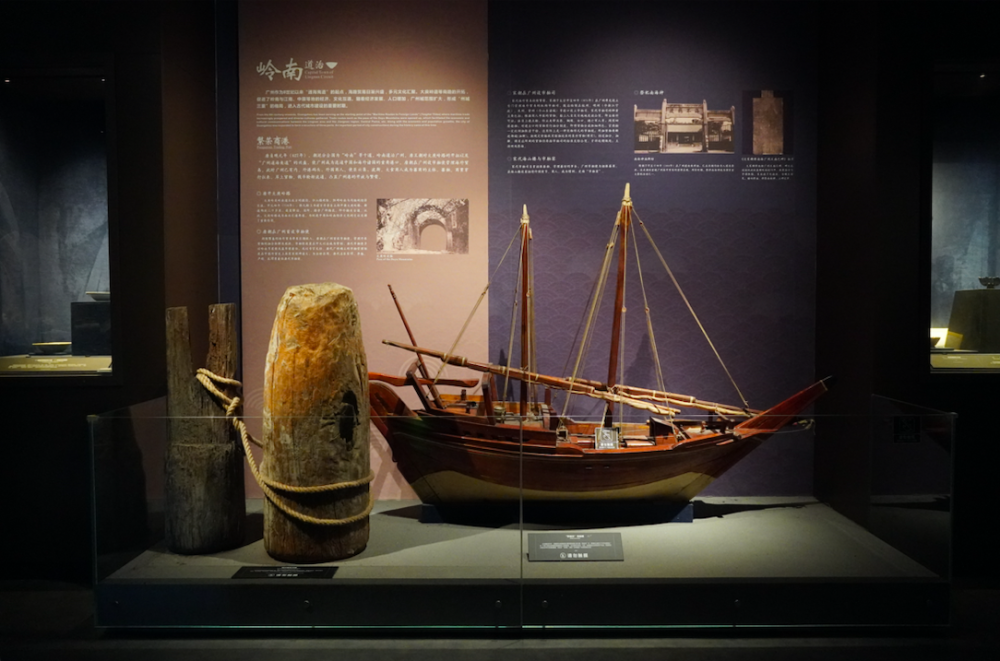
The ship is referred to as the "Ship of Friendship." On July 14, 1991, the Oman Ministry of Heritage and Culture presented a model of the Sohar as a symbol of China-Oman friendship to the Guangzhou Museum, where the model has been on long-term display.

In December 1995, the Omani side funded the construction of the Sohar monument in Zhoutouzui Park , Guangzhou; the reconstruction project was completed in 2014. The monument bears an inscription of the sailing ship's pattern and voyage information. The Sohar was later transported back to Muscat, the capital of Oman, and eventually placed in front of the Al Bustan Palace Hotel for visitors to view, becoming an important tourist attraction in Muscat, a monument in Oman's maritime history, and a symbol of the friendship between the two countries.

On September 13, 2018, on the occasion of the 40th anniversary of the establishment of diplomatic relations between China and Oman, representatives of the Omani side and relevant leaders of the Guangzhou Municipal Government jointly attended the commemorative event for the Sohar monument held at Zhoutouzui Park in Guangzhou. 


In August 2023, the commemorative envelope for the 45th Anniversary of China-Oman Diplomatic Relations adopted the patterns of Sohar and Zheng He's treasure ship, commemorating the millennium-long friendship between the two countries.

Zheng He

Zheng He is a Chinese navigator of the Ming Dynasty (1368-1644), visited Oman, including Dhofar, four times.

The Chinese Embassy in Oman in 2023 a completion ceremony for the Zheng He Monument in Salalah in Dhofar Governorate to commemorate the Chinese mariner who once traveled to the coast of Oman as well as the traditional friendship between the two countries. That event also marked the 45th anniversary of the establishment of diplomatic relations between the two countries.

Zheng is widely recognized as one of the most accomplished seafarers in Chinese history. He commanded the massive Ming Dynasty fleets to embark on seven expeditionary voyages to Southeast Asia, South Asia, West Asia, and East Africa during the 15th century.

Designed by the Beijing Institute of Architectural Design, the monument draws inspiration from the graceful ocean waves and the bow of a ship, capturing the dynamic curves that vividly portray Zheng's fleet triumphantly sailing through wind and waves. The construction of the monument employed cutting-edge 3D printing technology, executed by the China Communications Construction Company.

The content is sourced from official Omani and Chinese reports and various media releases.


SHARE ARTICLE
Most Read
No Image
IndiGo, Air India to shift Muscat operations to Navi Mumbai Airport PDO awards SLB five-year well stimulation contract Omani carmaker MAYS unveils Jewel, eyes global markets Thunderstorms, hail and strong winds forecast in parts of Oman
FOLLOW US
arrow up
home icon