

A sardine caught off the coast of Dhofar can end up in a factory or be dried and sold as livestock feed. For the fisherman, both are potential sources of income. For the factory, the fish is a raw material. For the livestock owner, it is part of the cost of raising animals.
I find this relationship interesting because it reveals something we rarely discuss when celebrating industrial growth: the same resource can have very different economic values depending on who needs it.
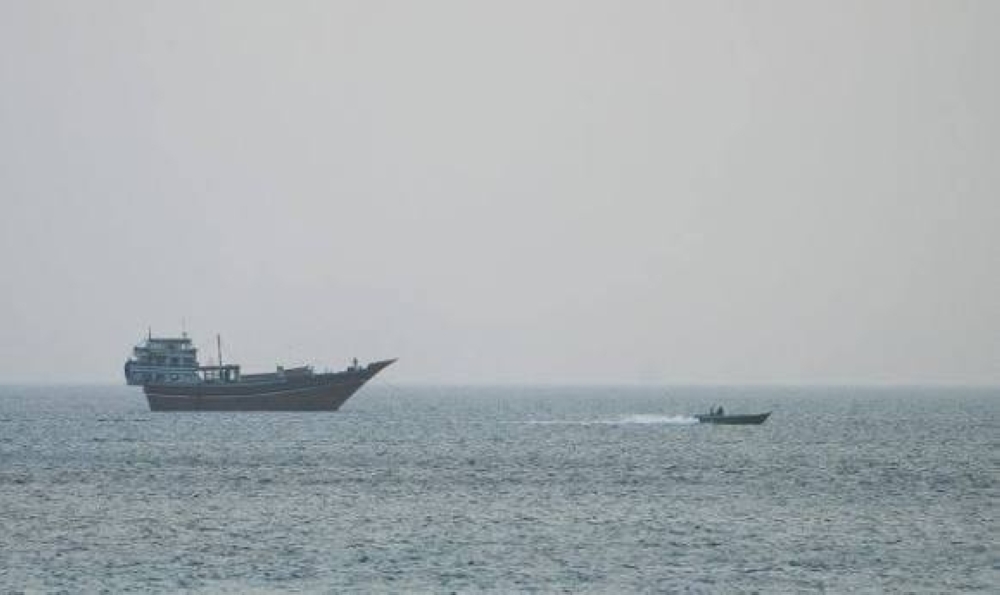
In Dhofar, southern Oman, sardine fishing has long been part of coastal life. Traditional fishing groups, locally known as Al Dhawaghi, bring their catches ashore during the season. Some of the fish are sold fresh, while others are dried and traded as feed for camels, cattle and other livestock.
This trade has connected fishermen with livestock owners for generations. Today, industrial processors are also part of that market.
That is a welcome development for fishermen who need dependable buyers. When large quantities of sardines are landed, finding someone willing to purchase the catch quickly can make a considerable difference to their earnings.
But I wonder whether we have paid enough attention to what happens elsewhere when demand for the same fish increases.
A livestock owner buying dried sardines does not see an expanding processing industry in quite the same way as a fisherman selling his catch. If competition for the fish pushes up prices, the livestock owner may face higher feed costs.
I am not suggesting that factories have caused such an increase in Dhofar. We do not have sufficient historical price and purchasing data to establish that. Catches, transport, drying costs and seasonal availability all influence the market.
What concerns me is that we know too little about how these different activities affect one another.
We tend to judge industrial development by the size of investments, the number of jobs created and the value of production or exports. These figures tell us something important, but they do not tell the whole story.
A factory can perform well while a smaller business using the same raw material faces higher costs. Equally, stronger industrial demand may improve fishermen’s incomes without significantly affecting other buyers. We need evidence to know which is happening.
This matters beyond the sardine trade.
As Oman encourages more manufacturing based on domestic resources, we should ask how new demand might affect the people and businesses already using those resources.
I do not believe the answer is to limit industrial growth or ask fishermen to sell their catches cheaply. They have every right to seek the best available price.
Instead, I would like to see a broader assessment of economic benefits before major resource-dependent projects are developed. Alongside investment and employment figures, we should examine who currently uses the raw materials, how much is available and what additional demand could mean for existing businesses.
In Dhofar, that could begin with something practical: better information on sardine prices, factory purchases, traditional drying and the costs faced by livestock owners.
Oman is already working to improve the management of sardines and other small pelagic fisheries through a programme planned to run until 2030. Understanding the condition of fish stocks is essential. Understanding the economic relationships built around those stocks should be part of the same conversation.
A sardine is a small fish, but it connects several livelihoods that rarely appear together in discussions about industrial policy.
I want Oman’s factories to succeed, and I want fishermen to benefit from stronger demand. But I also want us to recognise that economic progress is not always experienced in the same way by everyone.
We should judge industrial growth not only by what it adds to the economy, but also by how it changes the costs of doing business for those already working within it.
Oman Observer is now on the WhatsApp channel. Click here