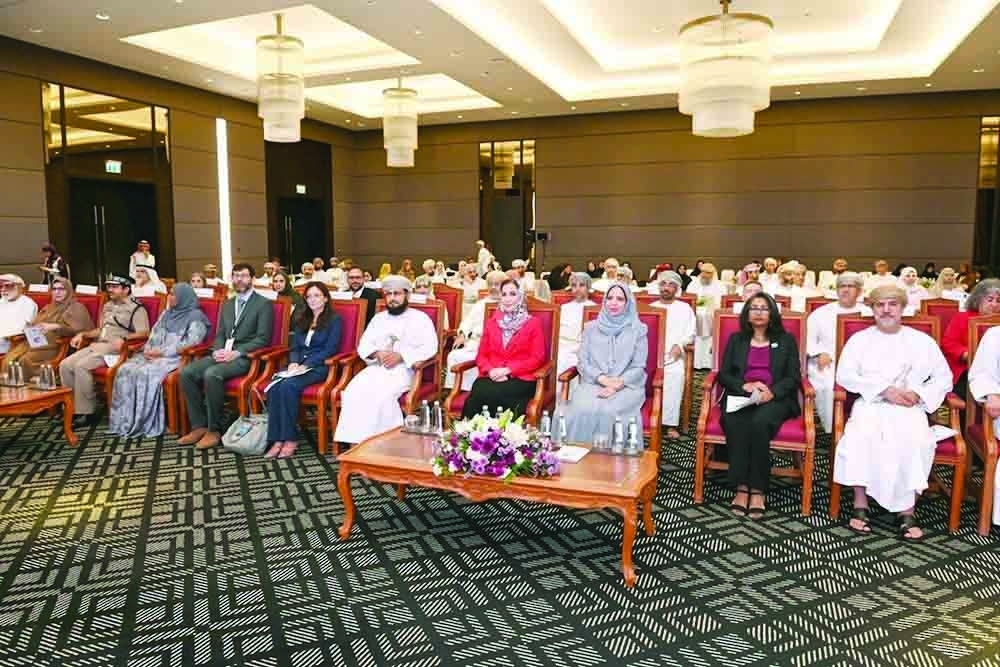


MUSCAT: The First Regional Workshop on 'Improving Childhood Statistics in the GCC Countries' opened in Muscat on Tuesday with a call to unify Gulf statistical efforts and build an integrated system of data and indicators on children, enhancing their quality, comprehensiveness and comparability across GCC states to support planning, policymaking and the evaluation of programmes directed towards children. The three-day workshop is organised by the Statistical Centre for the GCC (GCC-STAT) in cooperation with the United Nations Children's Fund (Unicef).
It opened under the auspices of HH Sayyidah Dr Mona bint Fahd al Said, Assistant Vice-Chancellor for International Cooperation at SQU and Chairperson of the Board of Children First Association, in the presence of Sumaira Chowdhury, Representative of the Unicef Office in the Sultanate of Oman, with the participation of representatives of national statistical offices and childhood-related entities in GCC states, along with experts from regional and international organisations.
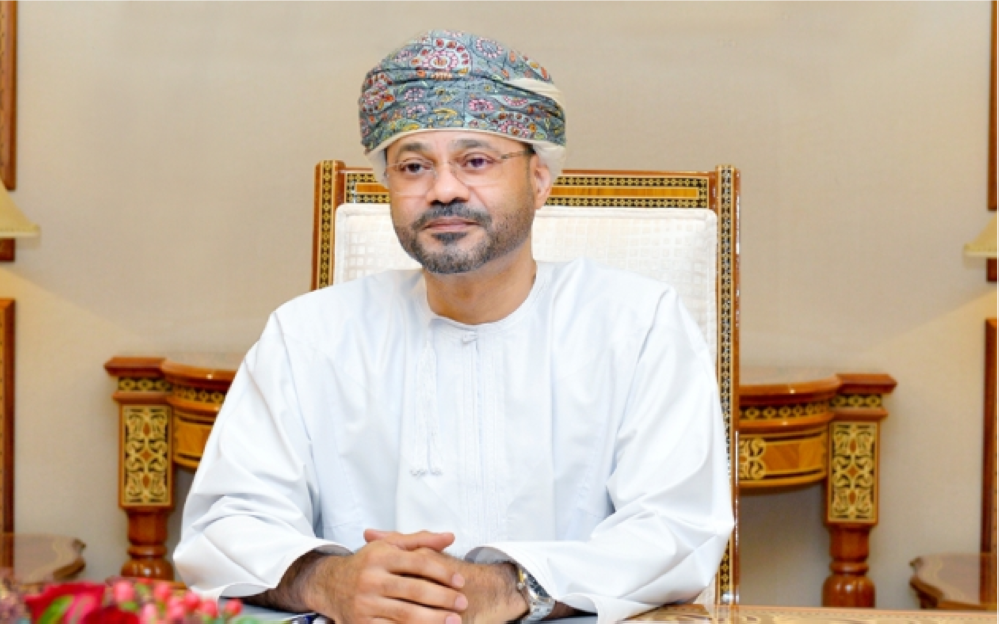
Intisar bint Abdullah al Wahaibi, Director-General of GCC-STAT, said building the future of societies begins with enhancing children's well-being and developing their capabilities, which requires effective policies based on accurate and comprehensive data reflecting their conditions and needs, and measuring how far they benefit from the services and programmes directed to them.
She said the population of GCC states approaches 63 million people, with children under 15 representing about one-fifth of the total — nearly 13 million. According to United Nations projections, the number is expected to rise to about 16 million over the next 20 years, requiring early preparation for their future needs and stronger statistical systems able to provide reliable data for planning.
Developing childhood statistics, she noted, is not limited to increasing data availability; it also requires addressing variations in statistical definitions, levels of detail, update frequencies and the timing of data release, alongside better integration among sources and converting data into indicators and knowledge that support decision-making and the evaluation of policy impact. She said the workshop offers an opportunity to exchange national expertise, identify priority indicators and discuss ways to develop the production and dissemination of childhood statistics, and underlined the importance of continued coordination among GCC-STAT, national statistical offices, childhood-related entities, Unicef and partners to put data to effective use in improving children's lives across the region.
The sessions addressed the current status of childhood statistics in GCC countries and the availability of indicators on various aspects of children's lives, along with the key challenges facing data production and dissemination. Participants discussed ways to enhance methodological consistency among national statistics and identify gaps and development needs, enabling more accurate Gulf comparisons and contributing to an integrated statistical database that supports policy formulation.
Over three days, the workshop explores unifying statistical concepts, definitions and methodologies related to childhood, and developing a joint Gulf framework of core indicators that can be produced periodically, drawing on international standards while taking into account the national characteristics of each country. Priority areas include health and nutrition, education and learning, social protection, protection from violence and neglect, living conditions, disability and special needs, and children's psychological and social well-being.
Participants are examining mechanisms to integrate various data sources, including administrative records, health, educational and social data, and household and population surveys, with the aim of reducing duplication in data collection, improving data quality and addressing gaps, while observing data governance and privacy requirements, especially for children's data. They are also discussing how data can be deployed to identify children's needs, monitor gaps between age groups and geographical regions, and evaluate the impact of health, educational and social programmes — helping direct resources, raise planning efficiency and measure progress towards childhood-related goals.
The workshop also discussed using digital technologies to disseminate, present and analyse childhood statistics through interactive platforms and dashboards that ease access to approved indicators, support comparisons among GCC states and provide reliable information for decision-makers, researchers and institutions concerned with childhood. Discussions touched on a proposed Gulf portal for children's data to serve as a reference platform offering statistical indicators, reports and studies, including the technical and institutional requirements needed to develop the portal and ensure its sustainability, content quality and data governance.
These efforts aim to enhance statistical integration among GCC states and build a more comprehensive and reliable knowledge base on children's conditions and needs, supporting policies more responsive to national and Gulf priorities. — ONA
Oman Observer is now on the WhatsApp channel. Click here