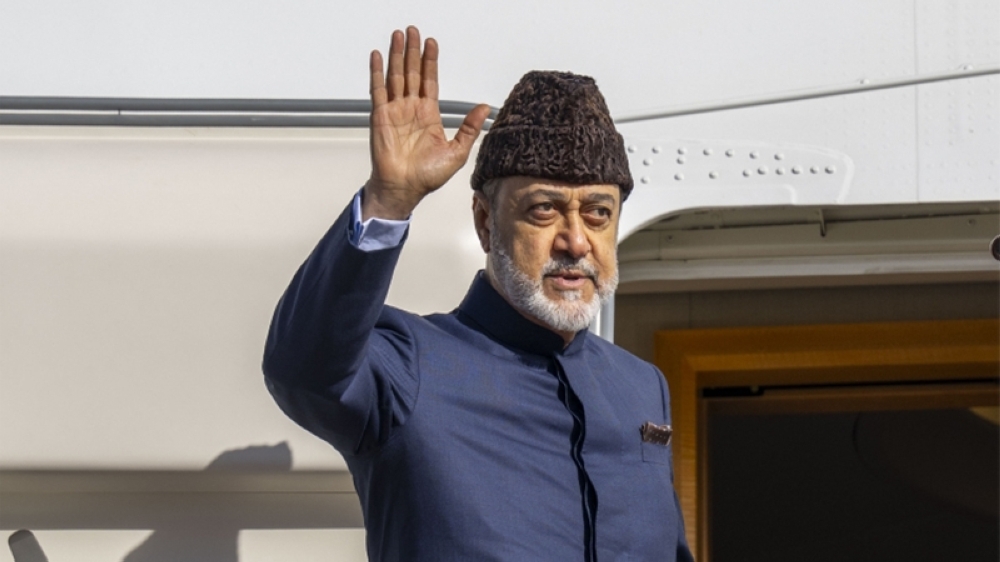
For three days, X seemed to belong to Oman. Photographs, videos, commentary and reposts of the historic state visit by His Majesty Sultan Haitham bin Tarik to the United Kingdom filled timelines across the world.
What began as a carefully choreographed diplomatic occasion became something far more expansive: a global conversation about royalty, culture, history, courtesy and the extraordinary power of social media to bring people together.
The pomp and circumstance were magnificent.
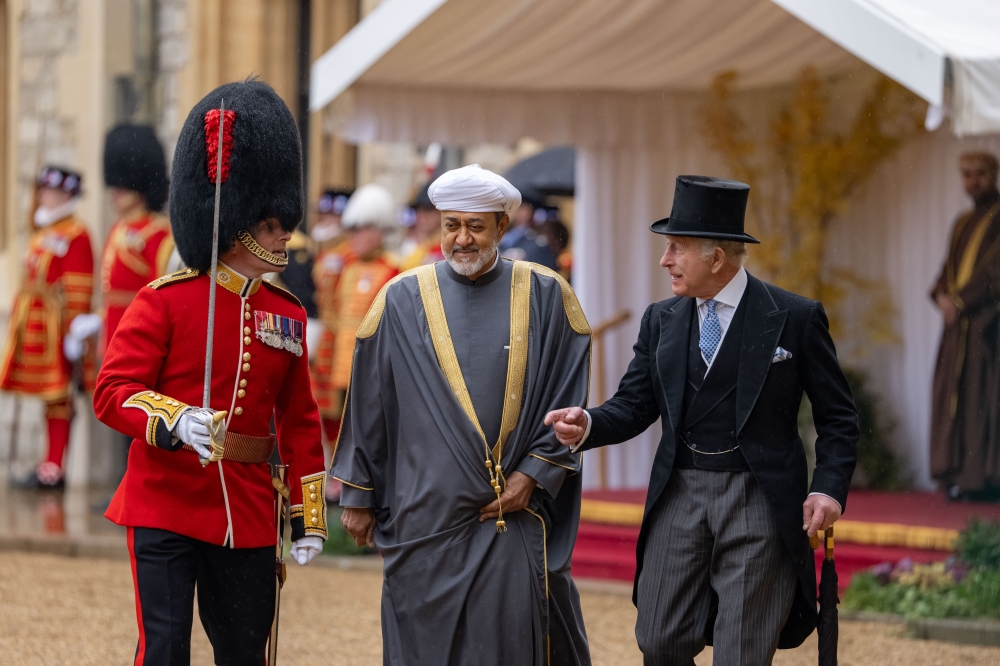
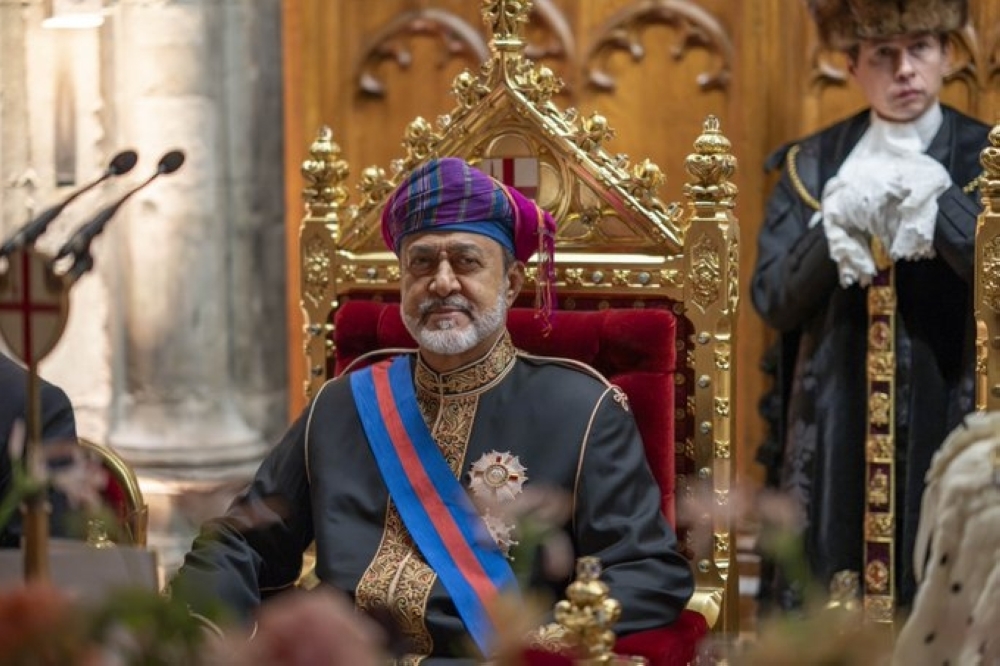
The carriages, the uniforms, the grandeur of Windsor Castle and the glittering state banquet offered everything admirers of the British Royal Family cherish.
Yet it was the smaller moments that captured the imagination of millions. The deep curtsey by HRH Catherine, Princess of Wales, to His Majesty the Sultan became one of the most widely circulated images of the visit. The warm exchanges between His Majesty and King Charles III, including their moments of laughter, revealed a more relaxed, human dimension to an occasion steeped in protocol.
Then there was the fashion. The colours, the elegance and the apparent coordination of outfits among the two delegations prompted endless discussion. The ease with which HH Sayyid Theyazin bin Haitham al Said, Deputy Prime Minister for Economic Affairs, accompanied the Prince and Princess of Wales added another layer of fascination.
Every majestic image seemed to invite another conversation.
But the real story was happening online.
Royal watchers, an enthusiastic international community on X, began following not only the official proceedings but also Omani and Arab reactions. They reposted comments, photographs and videos, often using X's translation features to engage with Arabic-language discussions.
People who might never otherwise have encountered one another were suddenly exchanging knowledge, asking questions and discovering unfamiliar aspects of each other's cultures.
For many Omanis and Arabs, the visit was an occasion for immense pride. Seeing His Majesty the Sultan received with such dignity, courtesy and warmth was deeply moving.
For British Royal enthusiasts, meanwhile, the visit offered an opportunity to learn about a country whose history, traditions and contemporary achievements were unfamiliar to some.
The result was an exchange that extended far beyond the diplomatic and economic objectives of the visit.
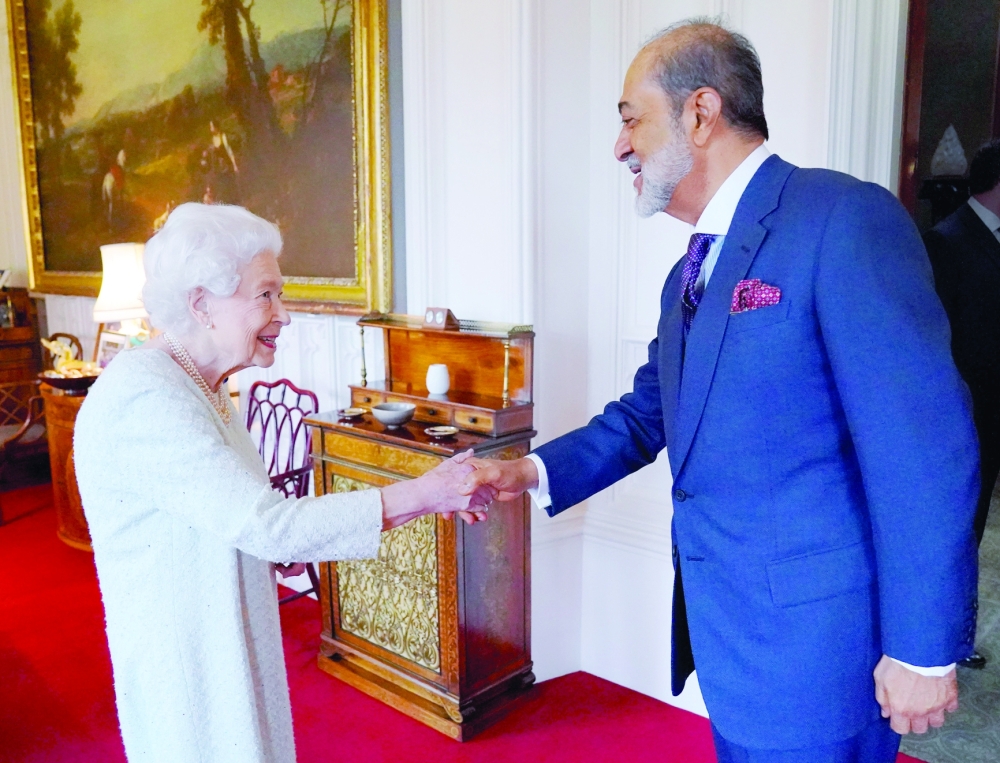
History, too, found a new audience. Photographs of the late Sultan Qaboos bin Said and earlier encounters between Omani and British royals circulated alongside contemporary images. The discussions reached further back into the nineteenth century, including the 1875 visit to London by Sayyid Barghash bin Said, Sultan of Zanzibar, whose historical connections also illuminate the intertwined histories of Oman, Zanzibar and Britain.
Even the rain became part of the story. When His Majesty declined to use an umbrella during the rainy welcome, online discussions turned to the cultural significance of rain.
For Omanis, rain is associated with blessing and goodness. What British observers might initially have regarded as an inconvenience became an opportunity to discover a different cultural perspective.
This is what made the visit visually historic as well as diplomatically significant. X did not simply distribute official photographs; it enabled people to interpret them, translate them, debate their meanings and connect them to personal memories and collective histories.
A curtsey became a discussion of respect. An outfit became a conversation about symbolism. A rainy afternoon became a cultural exchange.
His Majesty Sultan Haitham bin Tarik's immensely successful state visit reminds us that diplomacy does not end when the cameras stop recording. Sometimes, its most unexpected legacy emerges through ordinary people sharing extraordinary moments online.
For three days, the world watched Oman. And, through that attention, people discovered one another.
Oman Observer is now on the WhatsApp channel. Click here