

MUSCAT: The role of the community in emergency care and the growing use of artificial intelligence in clinical decisions took centre stage as the University Medical City Emergency Medicine Conference 2026 opened at Sultan Qaboos University Hospital on Sunday. Held under the theme "Reconnecting Emergency Care: Where Community Meets Critical Interventions", the two-day conference highlights the early recognition of blood clots, strokes and poisonings, responding to cardiac arrest and calling ambulance services, alongside the role of modern technologies in improving response speed.
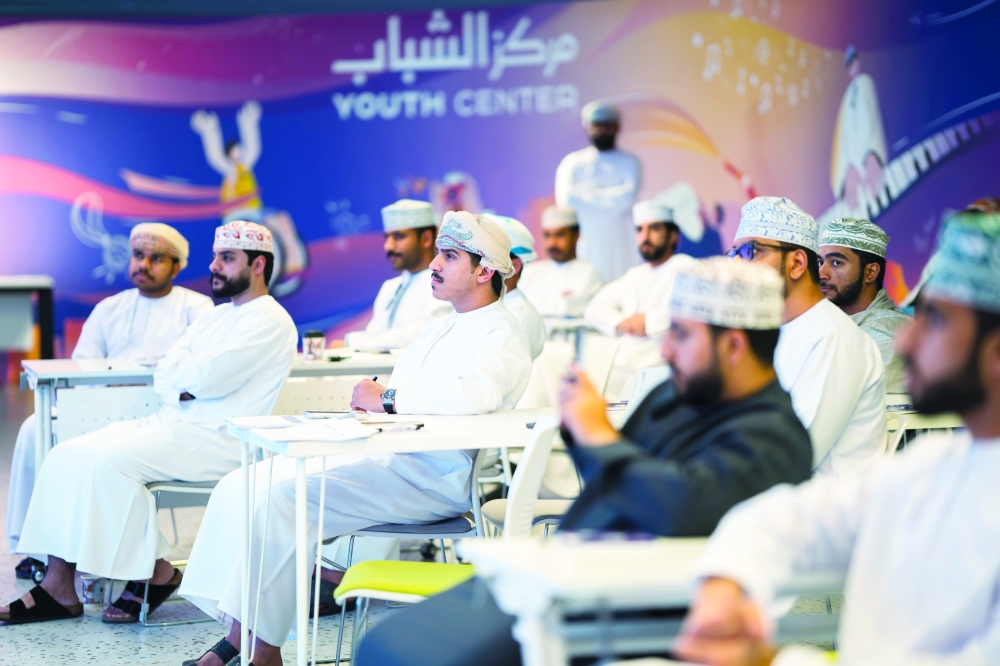
Organised by the hospital's Emergency Medicine Department, the conference brings together speakers and specialists from within the Sultanate of Oman and abroad. The scientific programme features 56 lectures and presentations, three debates and 63 speakers, with around 200 emergency physicians, nurses, paramedics, medical students and allied health professionals taking part, alongside 160 participants in the accompanying training programmes.
Dr Aisha bint Hamad al Khamisi, Head of the Emergency Medicine Department at Sultan Qaboos University Hospital and Chairperson of the Organising Committee, said the conference aims to enhance the quality of emergency care and develop medical practices through the exchange of expertise, discussion of scientific evidence and review of the latest developments in the field, contributing to safer, higher quality and more compassionate care.
Emergency care is not limited to the speed of intervention, she said, but extends to the accuracy of clinical decisions, the integration of health team efforts and good communication, noting that the community is a partner in the emergency care system through awareness, early response and support for critical interventions. She added that the conference offers space for dialogue amid rapid transformations in emergency medicine, particularly in resuscitation, critical care, diagnostic technologies and artificial intelligence, stressing that innovation must be grounded in scientific evidence while preserving ethical responsibility and patient safety.
The scientific sessions cover updates in resuscitation, post-cardiac arrest care, sepsis, cardiac, respiratory and neurological emergencies, poisonings, trauma, and paediatric and neonatal emergencies. The conference also examines artificial intelligence applications in supporting clinical decisions, early detection of sepsis and rationalising the use of antibiotics, while addressing governance, bias, medical liability and patient safety.
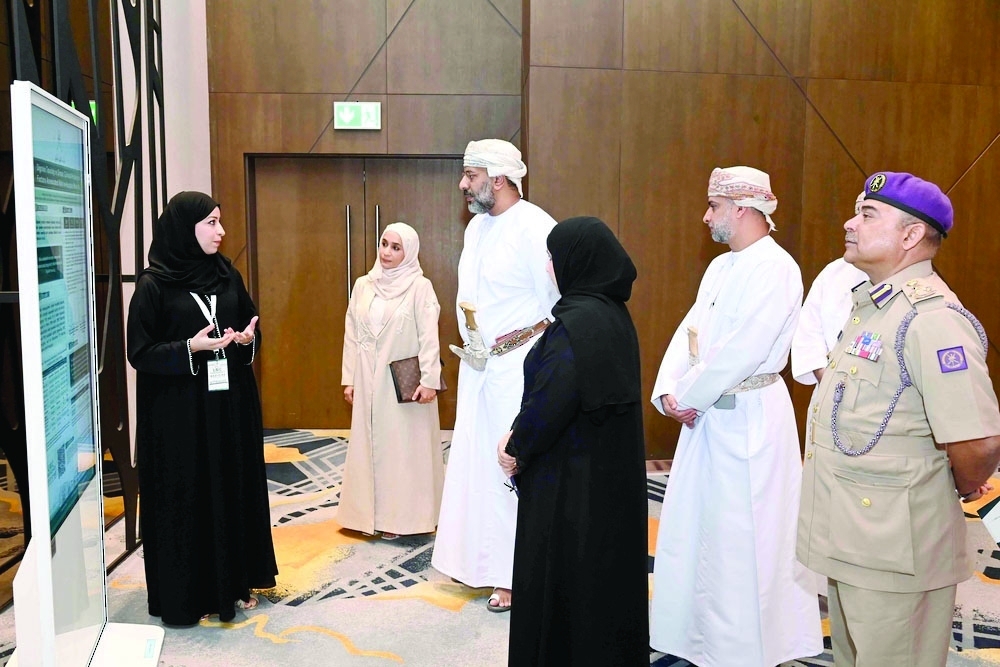
A dedicated nursing track covers triage, early assessment and dealing with agitation and violence cases, alongside tracks for emergency medicine residents and paramedics to strengthen integration across the health team. The conference also reviews 28 research abstracts, presented as three oral presentations and 25 scientific posters, with the best submissions to be honoured at the close of proceedings.
Ahead of the conference, five training workshops were held over two days, covering the fundamentals of point-of-care ultrasound (POCUS), pre-hospital critical interventions, extracorporeal cardiopulmonary resuscitation (ECPR), post-intubation care and the management of common fractures.
The conference forms part of the University Medical City's efforts to develop national competencies, raise the quality of health services and support an integrated health system that keeps pace with scientific developments in emergency medicine. — ONA
Oman Observer is now on the WhatsApp channel. Click here