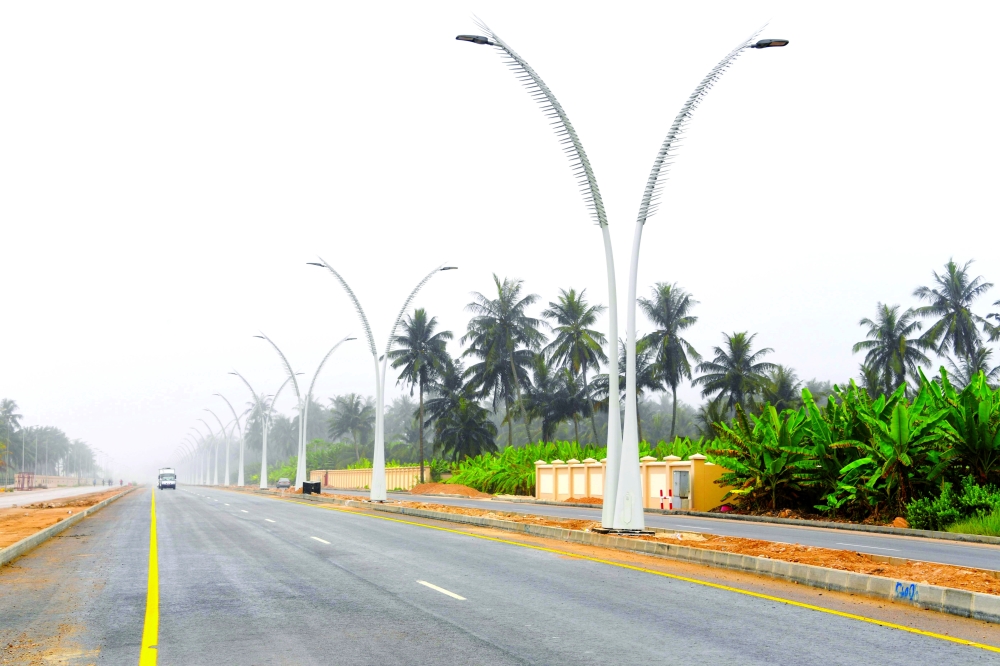
There is a peculiar difference between walking through a quiet, tree-lined neighbourhood and navigating a busy road with traffic on either side. In one, the mind seems to wander freely, while in the other, our attention narrows to the noise and immediate demands of getting somewhere. We tend to think of these as passing experiences, small inconveniences or pleasures that accompany urban life. Yet research suggests that the environments we inhabit may have a deeper influence on our mental well-being than previously understood.
A recent United Nations Environment Programme publication drew attention to studies associating air pollution with depression, and possibly anxiety. Much of the research concerns fine particulate matter, known as PM2.5, particles approximately 30 times smaller than the width of a human hair. Produced by vehicle exhaust and industrial combustion, these particles can penetrate deep into the lungs, with some entering the bloodstream. Researchers are investigating how prolonged exposure may contribute to inflammation and other biological processes affecting the brain, suggesting pollution could influence mental health without our awareness.
For decades, public health discussions surrounding air pollution concentrated on respiratory and cardiovascular disease. Earlier in my career, I participated in environmental studies around the Sohar refinery and industrial area, speaking with elders from neighbouring villages who described wheezing and asthma, and raised concerns about miscarriages they associated with nearby industrial activity. Their observations warranted scientific investigation, but that conversation concerned consequences people could recognise, while researchers today are examining effects considerably harder to identify. Few people report a harm they cannot name, and what is never reported is seldom counted.
There is also an uncomfortable geographical dimension to these findings. Environmental exposure is rarely distributed equally, even within the same city. A family living beside a major transport corridor may experience different levels of pollution and noise from another living near shaded streets and accessible green spaces. Income and housing conditions further determine how much choice people have over their surroundings. The geography of a city can become part of the geography of health, creating differences in exposure that accumulate over years.
Yet the environments we inhabit are defined as much by what they offer as by what they expose us to. Research associates access to nature with improved psychological well-being. Some former classmates and I recently discussed the places where we used to gather. Many are now mothers, and some have become grandmothers. We were struck by how little the availability of green spaces had changed in many older neighbourhoods, despite more people now depending on them.
In Oman, where extreme heat already limits the hours we can comfortably spend outdoors, the spaces near home carry more weight. New developments increasingly incorporate landscaping and recreational areas, while established neighbourhoods must accommodate growing populations within existing infrastructure. Alongside investments in tourism destinations and private developments, there is an equally important case for accessible public spaces where people can gather without having to pay for the privilege.
Mental health involves biological, social and personal circumstances, and environmental improvements cannot substitute for healthcare. But neither should we assume that psychological well-being begins and ends with the individual. Some influences may be embedded in decisions about where roads are constructed and how neighbourhoods develop.
We have learned to measure the environmental footprint of our cities with increasing precision. Perhaps we should become equally interested in the imprint those cities leave on the people who inhabit them.
Oman Observer is now on the WhatsApp channel. Click here