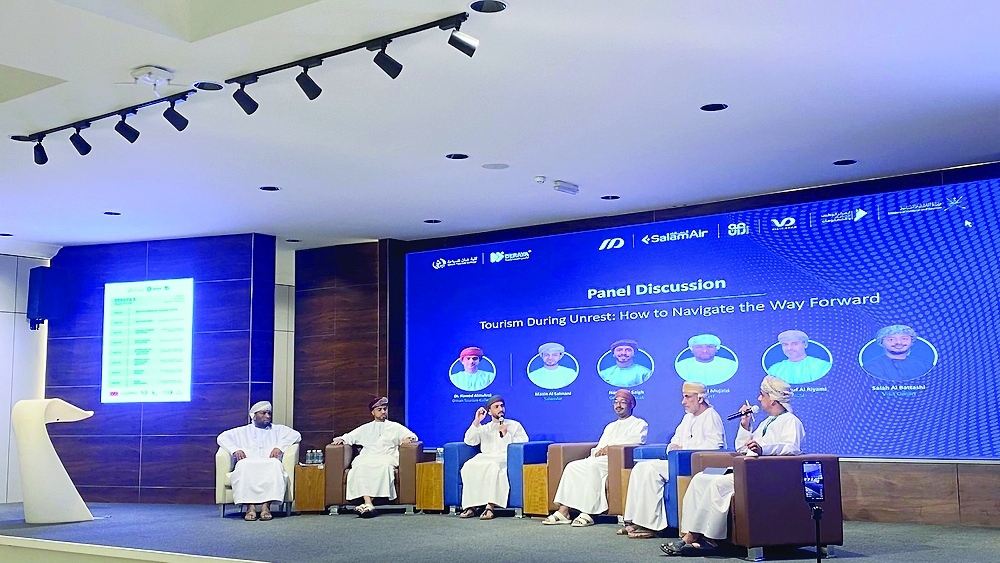
New figures from Riyada show how widely entrepreneurship is taking root in Oman. The ecosystem generates more than 3,000 startup ideas each year and includes 30 business incubators and 10 accelerators. As this support network develops, the commercial progress of the companies that emerge from it deserves closer attention.
One useful measure is whether a startup can secure customers outside the network that helped it begin. A first corporate contract brings revenue and a credible name to the company’s portfolio. It can also create an early impression that the business has already found a market large enough to support expansion.
Otech’s collaboration with Omani startup Remedy illustrates the connection between corporate support and product development. On August 22, Observer reported that Remedy emerged from Omantel Innovation Labs and forms part of its investment portfolio. Otech announced plans to collaborate on the development and deployment of Remedy’s RISE Talent platform within its enterprise environment.
The partnership illustrates how Oman’s corporate networks help local technology reach enterprise environments. For investors, the broader question concerns how a startup converts that access into demand beyond the original relationship. The value of corporate support and the evidence for further expansion require separate assessments.
A second independent customer helps provide that evidence. Its purchase serves its own business needs, with no investment in the startup to protect. The contract becomes particularly useful when its price covers the full cost of delivery and support, without assistance from the original partner.
The economics of that sale matter as much as the customer’s independence. For enterprise software, costs extend beyond the core product to connections with existing systems, data preparation and security reviews. If the first partner contributes staff or technical resources, the startup’s accounts may understate what the next deployment will cost.
A second contract tests those costs under different conditions. If the startup must create separate integrations and maintain a different software version for each buyer, additional revenue brings additional delivery obligations. The company needs to account for that workload before it commits to more customers.
This affects what new capital can achieve. A reusable product gives the team scope to expand sales without an equivalent increase in development work. A business that requires extensive engineering for every contract needs capital to expand delivery capacity. Both models have commercial value. An investor who applies rapid product-growth expectations to the second model risks paying for expansion that the cost structure cannot support.
The customer’s budget provides another test of repeatable demand. A corporate innovation programme can finance an initial deployment. A renewal from the department that uses the product shows whether the solution justifies a continuing expense after that support ends.
Before they support regional expansion, Oman’s accelerators and investors should ask companies to report the share of customer revenue that comes from outside their corporate and investment networks. They should then examine whether those contracts cover delivery costs and lead to renewals. This would give the next capital decision a commercial basis beyond the reputation of the first partner.
The figures Riyada published describe the breadth of startup support. As Oman’s ecosystem develops, investors also need evidence of sales beyond the networks that provided that support. A first corporate partnership gives a company access to the market. Before capital finances regional expansion, the company should demonstrate that another buyer will pay a price that covers the full cost of delivery and support.
Oman Observer is now on the WhatsApp channel. Click here